Malaysia, a melting pot of cultures and flavors, offers a culinary experience like no other. Its strategic location in Southeast Asia has made it a crossroads for many civilizations, each leaving its mark on the country's cuisine. With a blend of Malay, Chinese, Indian, and indigenous influences, Malaysian food is a celebration of cultural diversity and culinary innovation.
Street food in Malaysia is not just food; it's a cultural phenomenon. It reflects the everyday life of Malaysians and offers a glimpse into the soul of the country. The bustling streets teem with vendors selling a variety of tantalizing options:
- Nasi Lemak: Often hailed as Malaysia's national dish, this is a must-try. The rice is soaked in coconut milk and cooked with pandan leaves, giving it a rich, fragrant aroma. It's typically served with a spicy sambal, anchovies, peanuts, boiled egg, and cucumber. The combination of flavors and textures makes Nasi Lemak a beloved dish among locals and tourists alike.
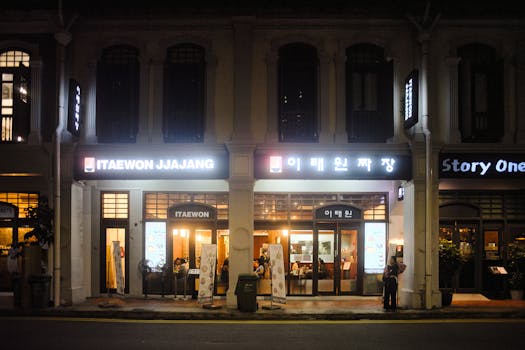
- Char Kway Teow: This dish showcases the Chinese influence on Malaysian cuisine. It's a stir-fried noodle dish known for its potent smoky flavor, achieved by cooking at high temperatures. With ingredients like shrimp, Chinese sausage, and bean sprouts, it's a flavor-packed dish that reflects Malaysia's multicultural makeup.
- Festive Foods and Celebrations
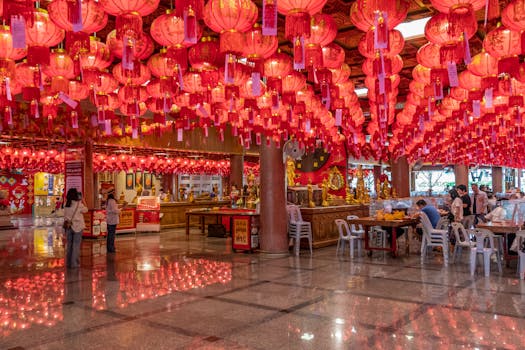
Malaysian cuisine also plays a central role in various cultural and religious festivals, each of which features special dishes:
.png)
- Rendang: Originally from Indonesia, this dish is popular during festive occasions in Malaysia, such as Hari Raya Aidilfitri. Rendang is a slow-cooked curry rich with coconut milk and a paste of mixed ground spices, including ginger, galangal, turmeric leaves, lemongrass, garlic, and shallots.
- Roti Canai: This Indian-influenced flatbread is a common sight in Malaysia. Fluffy and crispy, it's made by tossing and spinning the dough before cooking, and is typically served with dhal or curry sauces.
- Sweet Treats
No Malaysian culinary journey is complete without indulging in the sweet delights of traditional desserts:
- Kuih: These are traditional bite-sized snacks or desserts, which come in various forms and colors, often made from rice or glutinous rice. Ingredients like coconut milk, pandan leaves, and palm sugar are commonly used, making Kuih a perfect sweet treat to end any meal.
- Communal Dining Experience
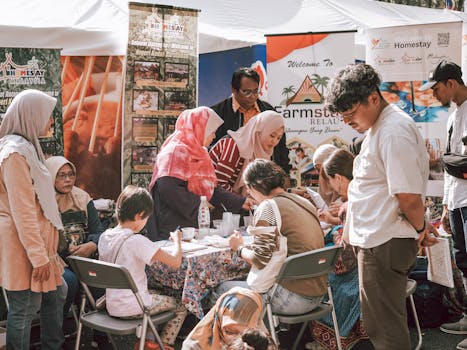
Eating in Malaysia often means communal dining, an act that fosters community and sharing. This is evident in the traditional 'kampong' (village) style of eating, where everyone shares dishes placed at the center of the table. This not only allows everyone to enjoy various dishes but also symbolizes unity and harmony among diners.
- Conclusion: A Culinary Haven
Malaysia is truly a haven for food enthusiasts. From the spicy, pungent flavors of street food to the complex, rich tastes of traditional dishes served during festivals, the country offers a diverse palette that appeals to a variety of taste preferences. The Malaysian culinary scene is a vivid tapestry woven from the many fibers of its cultural heritage, each dish narrating a story of its own. For anyone looking to explore Asian cuisines, Malaysia should undoubtedly be at the top of their list.