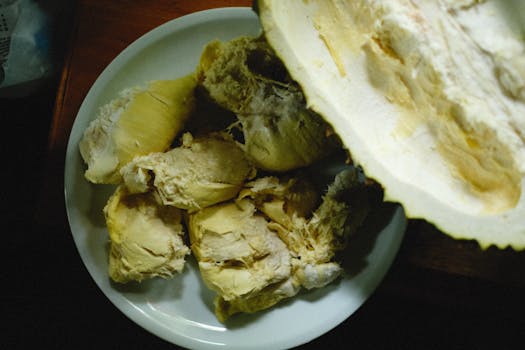
Malaysian cuisine exemplifies a remarkable culinary mosaic, blending the heritage and flavors of its diverse population. This fusion, which includes Malay, Chinese, Indian, and Thai elements among others, offers an exciting and flavorful dining experience that reflects the multicultural makeup of Malaysia.
Staple Ingredients and Dishes
Central to Malaysian food is rice, a staple that forms the base of many meals across the country. Coconut milk, herbs, spices, and a variety of proteins such as chicken, beef, and seafood also play crucial roles in the cuisine, creating dishes that range from fiery spicy to subtly sweet.
.png)
Signature Malaysian Dishes
Nasi Lemak
Often considered the national dish, Nasi Lemak is a perfect introduction to Malaysian food. It features rice cooked in coconut milk, making it rich and aromatic. Accompaniments typically include spicy sambal, crispy anchovies, roasted peanuts, and boiled eggs, combining a spectrum of textures and flavors in one plate.
Laksa
Laksa is a beloved spicy noodle soup with regional variations that embody the local flavors. Penang Laksa offers a tart tamarind-based broth, while Sarawak Laksa presents a creamy, coconut milk-rich soup. Both are laden with spices, herbs, and typically seafood, representing the diverse culinary practices across Malaysia.
Satay
Influenced by kebab-style cooking, Malaysian Satay consists of marinated meat skewers that are grilled and often served with a distinctive peanut sauce. This dish showcases the adaptation of cooking methods from different cultures, tailored with local flavors through unique marinades and the accompanying sauce.
Roti Canai
This Indian-inspired flatbread is light, flaky, and served with dhal or curry. Roti Canai is a testament to the Indian influence on Malaysian cuisine, commonly enjoyed across the country as a hearty breakfast or snack.
Malaysian Sweets and Desserts
Malaysian desserts are as diverse as its savory dishes. Traditional sweets like Kuih are made from ingredients such as coconut milk, rice flour, and palm sugar. Onde-onde, a popular snack, features a sweet burst of palm sugar encased in a chewy, glutinous rice flour ball, rolled in grated coconut—a delightful treat reflecting the local penchant for combining textures and flavors.
Culinary Celebrations
Festive foods play an integral role in Malaysian celebrations. During Hari Raya, for example, dishes such as Ketupat (rice cakes wrapped in palm leaves) and Rendang (spiced coconut milk meat stew) are central to the festivities, highlighting the cultural and culinary richness of the country.
Dining in Malaysia
Exploring Malaysian cuisine can be an adventure, especially in the myriad hawker centers and food courts scattered throughout the country. These venues offer a glimpse into the vibrant street food scene, where delicious, diverse, and accessible meals can be enjoyed by locals and tourists alike.
Conclusion
Malaysian cuisine is a dynamic and flavorful reflection of the country's diverse cultural heritage. Each dish, whether a simple Nasi Lemak or a complex Laksa, tells a story of cultural confluence, making Malaysian food not just nourishing for the body but also for the soul. With its wide array of flavors and ingredients, Malaysian cuisine invites food lovers to explore its rich culinary landscape, promising a delightful experience with every bite.