Malaysia, nestled in the heart of Southeast Asia, is a country renowned for its diverse cultural tapestry, influenced by a myriad of ethnic groups including Malay, Chinese, Indian, and various indigenous tribes. This cultural diversity is not just a fascinating aspect of Malaysia's identity but also a vital component of its societal structure, influencing everything from cuisine to festivals and social norms.
Ethnic and Cultural Diversity
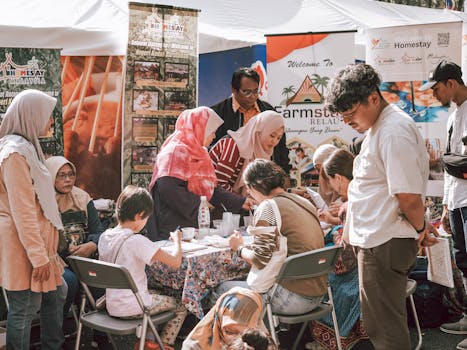
At the core of Malaysia's identity is its ethnic diversity. Malays, constituting about half of the population, are considered the indigenous people and are predominantly Muslims. The constitution uniquely defines Malays, emphasizing their practice of Islam, use of the Malay language, and adherence to traditional customs.
.png)
Chinese Malaysians represent approximately 23% of the population and have significantly shaped Malaysia's cultural and economic landscape. This community is diverse within itself, practicing Buddhism, Christianity, or Chinese folk religions, and speaking languages such as Mandarin and Cantonese.
Indian Malaysians make up about 7% of the population and are primarily Tamil speakers from Southern India. While Hinduism is the predominant religion, there are also sizeable Christian and Muslim communities within this group. This community's influence is profoundly felt in Malaysian music, dance, and especially cuisine.
The Orang Asli of Peninsular Malaysia, along with the native populations of Sabah and Sarawak in East Malaysia, though smaller in numbers, hold a crucial place in Malaysia's cultural mosaic. These groups maintain distinct traditions, languages, and religions that differ markedly from the Malay, Chinese, and Indian cultures.
The Role of Religion
Islam is the official religion of Malaysia, deeply influencing the nation's legal system and day-to-day life. However, the constitution also guarantees freedom of religion, which supports the vibrant practice of Buddhism, Christianity, Hinduism, and other religions. This religious diversity is a source of cultural richness but also a complex challenge in governance and social integration.
Linguistic Landscape
Malaysia's linguistic environment is as varied as its people. Malay, or Bahasa Malaysia, is the national language and a unifying element among the diverse population. English holds significant sway in business, education, and as a lingua franca among different ethnic groups. The presence of various Chinese dialects and Tamil, along with indigenous languages in East Malaysia, adds to this rich linguistic tapestry.
Culinary Traditions
Malaysian cuisine is a delightful reflection of its multicultural makeup, offering an array of flavors that signify the blending of various culinary traditions. Staples such as nasi lemak, char kuey teow, and roti canai not only highlight unique ingredients and cooking styles but also represent the cultural blending that is quintessentially Malaysian.
Festivals and Cultural Celebrations
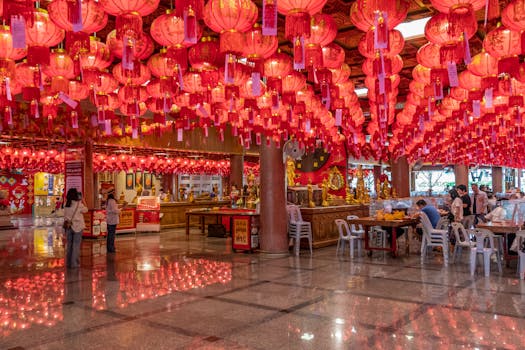
Cultural festivals in Malaysia offer a vibrant spectacle and play a significant role in promoting social cohesion and mutual respect among its different ethnic groups. Celebrations such as Hari Raya Aidilfitri, Chinese New Year, Deepavali, and Christmas are not only times for spiritual observance but also opportunities for all Malaysians to engage in open houses and community events that showcase the country's diverse cultural heritage.
Conclusion
Understanding Malaysia's culture requires an appreciation of its diversity and the historical contexts that have shaped its current societal structures. For travelers and cultural enthusiasts, Malaysia offers an enriching experience, revealing how diverse cultural elements can coexist and enhance a collective national identity. This blend of traditions and modern influences makes Malaysia a unique study in diversity and unity, offering lessons on cultural integration and mutual respect.