Australia's Incredible Wildlife: A Closer Look
Australia is renowned for its extraordinary wildlife, a unique collection shaped by millions of years of isolation. From bouncing kangaroos and cuddly koalas to the elusive platypus and vibrant coral reefs, the wildlife of Australia fascinates scientists and travelers alike. With over 80% of its mammals, reptiles, and flowering plants found nowhere else on Earth, Australia stands as a living laboratory of evolution and adaptation. This article takes a closer look at the country’s most iconic animals, the habitats they thrive in, the threats they face, and why conserving Australia’s wildlife is more critical than ever.
The Unique Evolution of Australian Wildlife
Australia broke away from the ancient supercontinent Gondwana around 180 million years ago, setting the stage for the evolution of its one-of-a-kind creatures. With no native placental mammals except for bats and rodents, marsupials took center stage. Kangaroos, wallabies, koalas, and wombats are just a few of the marsupials that define Australia’s animal kingdom.
The continent is also home to monotremes — egg-laying mammals like the platypus and echidna. The platypus, with its duck-like bill, webbed feet, and venomous spurs, puzzled scientists when first discovered in 1798. These evolutionary oddities highlight how isolation led to a proliferation of unique life forms.
.png)
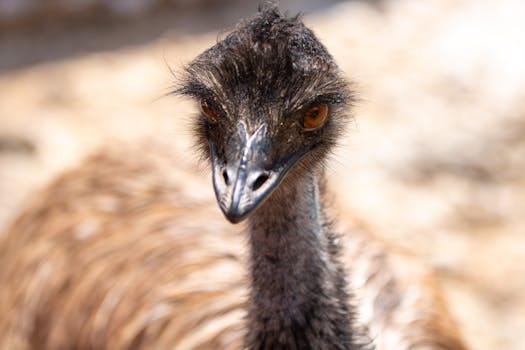
Australia’s reptile population is the largest in the world, with over 860 species, including formidable saltwater crocodiles and a rich diversity of snakes and lizards. Birdlife is equally impressive, boasting over 830 species, from the flightless emu to the vocal lyrebird and vibrant lorikeets.
Iconic Australian Animals and Their Habitats
Kangaroo: Symbol of the Outback
Kangaroos are perhaps the most recognizable symbol of Australia. There are four main species — the Red Kangaroo, Eastern Grey, Western Grey, and Antilopine Kangaroo — with populations exceeding 50 million individuals. Red Kangaroos, the largest marsupials on Earth, can stand over 2 meters tall and leap distances of up to 9 meters in a single bound.
Koala: The Eucalyptus Specialist
Koalas are another marsupial marvel, spending up to 20 hours a day sleeping in eucalyptus trees. With a diet exclusively of eucalyptus leaves, koalas have specialized digestive systems to cope with the toxic compounds. The population has declined sharply, with estimates suggesting fewer than 80,000 koalas remain in the wild as of 2022, primarily due to habitat loss, disease, and climate change.
Platypus: Nature’s Anomaly
The platypus inhabits eastern Australian waterways, and its combination of mammalian and reptilian traits makes it a true evolutionary outlier. Platypuses are semi-aquatic and use electroreception to hunt underwater — a rare skill among mammals. Sightings have become rarer, with populations decreasing in some regions due to drought, water pollution, and habitat destruction.
Great Barrier Reef: Underwater Wonderland
Australia’s wildlife isn’t limited to land. The Great Barrier Reef stretches over 2,300 kilometers and supports an estimated 1,500 fish species, more than 400 types of coral, and thousands of invertebrates. The reef is crucial not only as a biodiversity hotspot but also as a barometer for the health of the world’s oceans. However, rising sea temperatures and coral bleaching threaten its future.
Deadly and Dangerous: Australia’s Notorious Wildlife
Australia’s reputation for dangerous creatures is well-earned but often exaggerated. Nonetheless, the country is home to some of the planet’s most venomous animals.
Snakes: The Inland Taipan, also known as the “fierce snake,” holds the title of the world’s most venomous snake. Its venom is potent enough to kill a human in under an hour, but bites are extremely rare due to its reclusive nature.
Spiders: The Sydney Funnel-Web Spider is considered one of the deadliest spiders globally, with a venom capable of causing severe illness or death if untreated. Thanks to antivenom introduced in 1981, fatalities are now virtually unheard of.
Marine Life: The box jellyfish, found in northern waters, is responsible for more deaths than sharks, crocodiles, and snakes combined. Its tentacles contain toxins potent enough to stop the human heart in minutes.
Despite these dangers, fatal encounters with wildlife are extremely rare. In fact, statistics from the Australian Institute of Health and Welfare show that between 2000 and 2013, only 35 deaths were attributed to animal bites or stings, compared to hundreds of fatalities from car accidents each year.
Endangered Species and Conservation Efforts
Australia faces a biodiversity crisis. Since European settlement in 1788, the country has lost at least 30 mammal species — the highest rate of mammal extinction in the world. Today, over 1,800 plant and animal species are listed as threatened.
Key threats include:
- Habitat destruction: Land clearing for agriculture, urban development, and mining is the primary cause of habitat loss.
- Invasive species: Cats, foxes, rabbits, and cane toads prey on native wildlife or compete for resources.
- Climate change: Increased temperatures, drought, and bushfires are altering habitats and pushing vulnerable species closer to extinction.
Conservation programs focus on habitat restoration, predator control, and breeding programs for critically endangered species. Notable successes include the recovery of the Eastern Barred Bandicoot and the establishment of predator-free sanctuaries for bilbies and numbats.
Below is a comparative table highlighting the status of some iconic and threatened Australian animals:
| Species | Estimated Wild Population | Conservation Status | Main Threats |
|---|---|---|---|
| Koala | ~80,000 | Vulnerable | Habitat loss, disease, climate change |
| Northern Hairy-nosed Wombat | ~300 | Critically Endangered | Habitat loss, predation, competition |
| Platypus | Unknown (declining) | Near Threatened | Water pollution, drought, habitat loss |
| Greater Bilby | ~10,000 | Vulnerable | Predation by feral cats and foxes, habitat loss |
| Regent Honeyeater | ~350 | Critically Endangered | Habitat clearing, competition |
Remarkable Adaptations of Australia’s Wildlife
Australia’s animals display a range of fascinating adaptations to survive in harsh and varied environments.
Desert Survival: Kangaroos and wallabies have adapted to arid conditions by being able to conserve water and feed on dry grasses. Some can even pause pregnancies during droughts, a phenomenon known as embryonic diapause.
Tree Dwellers: Koalas possess a highly specialized digestive tract with an extra-long cecum to break down toxic eucalyptus. Sugar gliders, another arboreal marsupial, can glide up to 50 meters between trees using a membrane stretching from wrist to ankle.
Camouflage and Mimicry: The leafy sea dragon, a relative of the seahorse found in southern Australian waters, has leaf-like appendages that provide exceptional camouflage among kelp and seaweed.
Nocturnal Lifestyles: Many Australian mammals, including possums, bandicoots, and quolls, are nocturnal to avoid daytime heat and predators.
Fascinating Facts and Numbers
- Australia is home to more than 378 mammal species, over 828 bird species, and at least 4,000 fish species.
- Over 140 species of marsupials are found in Australia, including kangaroos, wallabies, and possums.
- The saltwater crocodile is the world’s largest living reptile, with males reaching lengths of up to 7 meters and weighing over 1,000 kilograms.
- The emu, Australia’s largest bird, can sprint at speeds up to 50 kilometers per hour.
Wildlife Tourism in Australia
Wildlife tourism is a significant part of the Australian economy, attracting millions of visitors each year. According to Tourism Australia, over 8.7 million international tourists visited the country in 2019, with wildlife experiences ranking among the top attractions.
Popular wildlife destinations include:
- Kangaroo Island in South Australia, known for its thriving populations of sea lions, koalas, and, of course, kangaroos.
- The Daintree Rainforest in Queensland, home to the endangered cassowary and a wealth of tropical species.
- Tasmania, where travelers can spot wombats, Tasmanian devils, and platypuses in the wild.
- The Great Ocean Road in Victoria, famous for its colonies of Australian fur seals and migratory whales.
Responsible wildlife tourism supports conservation through park entry fees, research funding, and habitat protection. Visitors are encouraged to follow guidelines to minimize disturbance, avoid feeding wild animals, and support eco-friendly operators.
Conclusion: Why Australia’s Wildlife Matters
Australia’s incredible wildlife is not just a source of national pride; it’s a vital component of the planet’s biodiversity. These unique creatures play crucial roles in their ecosystems, from pollination and seed dispersal to pest control and maintaining the health of forests and reefs. Their survival is intricately linked to the health of the land and sea.
Yet, the challenges facing Australia’s wildlife are immense. Protecting these species requires a collective effort — from government action and scientific research to responsible tourism and community engagement. By valuing and safeguarding Australia’s unique animals, we preserve not only a natural heritage but also the ecological balance that sustains life.