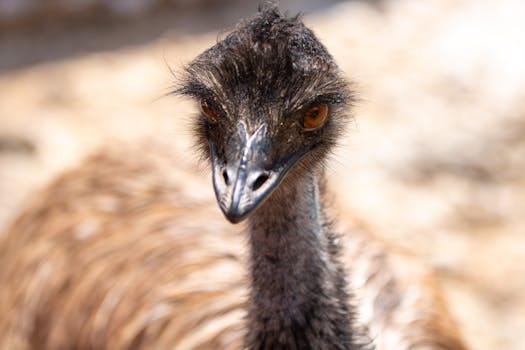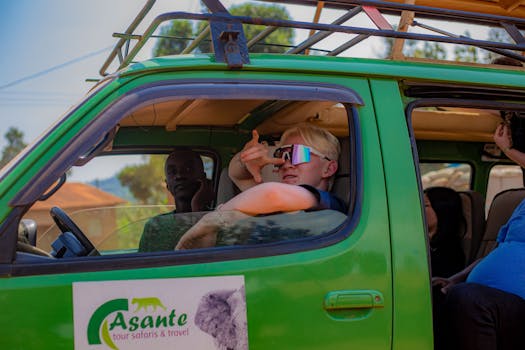
Embarking on an African safari is an adventure that transcends typical travel experiences, offering a deep dive into the wild heart of the continent. Whether you're a seasoned traveler or a first-time explorer, a safari offers a unique blend of thrilling wildlife encounters, breathtaking landscapes, and rich cultural interactions.
Choosing Your Safari Destination
Africa is incredibly diverse, and each safari destination offers its own unique experiences:
.png)
- East Africa: Countries like Kenya and Tanzania are renowned for the Great Migration, where millions of wildebeest and zebra make their annual journey across the Serengeti and Maasai Mara.
- Southern Africa: Nations such as Botswana, Namibia, South Africa, and Zimbabwe offer incredible wildlife viewing, with well-managed national parks and private reserves.
- Central Africa: For those interested in primates, countries like Rwanda and Uganda are the go-to destinations for gorilla trekking.
Best Time to Visit
Timing your safari is key to maximizing wildlife sightings:
- East Africa: Dry seasons from July to October and December to March are ideal for wildlife viewing.
- Southern Africa: Visit during the dry months from May to October when animals are more likely to congregate around water sources.
- Central Africa: Gorilla trekking is year-round, but drier months from June to September and December to February can make the hikes easier.
Selecting a Tour Operator
Choosing a responsible tour operator is crucial:
- Sustainability: Opt for companies that practice sustainable tourism, supporting wildlife conservation and community initiatives.
- Experience and Safety: Ensure that the operator has knowledgeable guides and a good safety record.
- Reviews: Check online reviews and testimonials from previous guests.
What to Expect on Safari
- Daily Routine: Most safaris start early in the morning when wildlife is most active. Afternoon or night drives can also be part of the experience.
- Activities: Besides game drives, many safaris offer bush walks, cultural tours, and even canoe trips.
- Accommodation: Options range from luxury lodges to tented camps, with amenities varying widely based on price level.
Safety and Etiquette
- Follow Guidelines: Always listen to your guide—safety instructions are paramount.
- Respect Wildlife: Maintain a safe distance and avoid disturbing the natural behaviors of the animals.
- Cultural Sensitivity: Show respect when visiting local communities or engaging in cultural experiences.
Capturing Memories
- Photography: Invest in a good camera and learn some wildlife photography tips to capture stunning images.
- Presence: Balance your time between taking photos and absorbing the environment to fully experience the magic of the safari.
Conservation and Community
Many safari tours contribute to local wildlife conservation efforts and community welfare through eco-tourism. Participating in these safaris not only provides you with an incredible experience but also supports the preservation of these areas for future generations.
Conclusion
A safari in Africa is more than just a trip—it's an enriching experience that broadens your understanding of nature, wildlife, and different cultures. Each safari is a step into the extraordinary, promising not just sights and sounds but transformative encounters that linger long after you return home. Whether witnessing a lion hunt, observing the serene grace of elephants, or gazing at the star-studded African sky, a safari offers endless moments of awe and wonder.