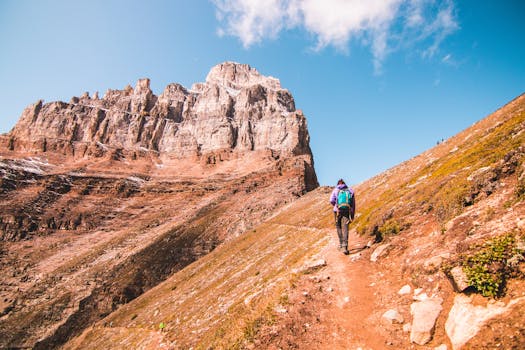
Canada’s natural beauty is legendary, stretching from the rugged coasts of Newfoundland to the towering peaks of the Rockies and the ancient rainforests of the Pacific. For nature lovers, the country's national parks offer a spectacular array of landscapes, wildlife, and outdoor adventures. Whether you crave alpine vistas, wildflower meadows, glacial lakes, or the thrill of spotting a grizzly bear, traveling in Canada’s national parks is an unforgettable experience. This guide explores the best parks for immersing yourself in the wild heart of Canada, highlighting what makes each one special, how to get the most out of your visit, and tips for responsible and enriching travel.
Why Canada’s National Parks Are a Nature Lover’s Paradise
Canada boasts one of the world’s largest protected park systems, with 48 national parks covering more than 340,000 square kilometers — that’s nearly the size of Germany! These parks preserve pristine wilderness, rare ecosystems, and habitats for over 70,000 species of plants and animals. From UNESCO World Heritage Sites to remote northern tundra, each park offers unique opportunities for hiking, wildlife watching, canoeing, photography, and quiet reflection.
Nature lovers are drawn to Canada’s national parks for several reasons:
.png) - Diversity: No two parks are alike. You can explore arid badlands in Alberta, lush rainforests in British Columbia, or the Arctic tundra in Nunavut.
- Wildlife: Parks Canada reports that national parks are home to over 220 species of mammals, including iconic animals like moose, wolves, bison, and polar bears.
- Accessibility: Many parks are easily reached by road or public transportation, while others offer true wilderness experiences far from crowds.
- Conservation: Visiting these parks supports conservation efforts and sustainable tourism, helping to preserve them for generations.
- Diversity: No two parks are alike. You can explore arid badlands in Alberta, lush rainforests in British Columbia, or the Arctic tundra in Nunavut.
- Wildlife: Parks Canada reports that national parks are home to over 220 species of mammals, including iconic animals like moose, wolves, bison, and polar bears.
- Accessibility: Many parks are easily reached by road or public transportation, while others offer true wilderness experiences far from crowds.
- Conservation: Visiting these parks supports conservation efforts and sustainable tourism, helping to preserve them for generations.
Banff National Park: The Crown Jewel of the Rockies
Founded in 1885, Banff National Park is not only Canada’s oldest but also its most famous park. Nestled in the Alberta Rockies, Banff dazzles visitors with turquoise lakes, dramatic peaks, and abundant wildlife.
Highlights: - Lake Louise and Moraine Lake: These glacial lakes are among the most photographed places in the world. The vivid blue-green water, backed by snow-capped mountains, creates a surreal landscape. - Hiking: With over 1,600 kilometers of trails, Banff offers everything from easy lakeside strolls to challenging backcountry routes like the Plain of Six Glaciers. - Wildlife: Early risers may spot elk, mountain goats, or even grizzly bears near the Bow Valley Parkway. - Winter sports: In the colder months, Banff transforms into a playground for skiers and snowshoers.Fact: Banff receives over 4 million visitors annually, making it the busiest national park in the country. Despite the crowds, it’s possible to find solitude—especially by venturing onto less-traveled trails or visiting outside peak summer months.
Gros Morne National Park: Dramatic Landscapes of Newfoundland
On the west coast of Newfoundland, Gros Morne National Park is a UNESCO World Heritage Site known for its geological wonders. Here, the earth’s mantle is exposed, and fjords carved by glaciers plunge dramatically to the sea.
Highlights: - The Tablelands: Walk on the earth’s mantle in this otherworldly landscape, where rust-colored rocks support rare plants. - Western Brook Pond: Take a boat tour into this landlocked fjord, surrounded by 650-meter cliffs and waterfalls. - Hiking: Trails like Gros Morne Mountain offer panoramic views across the Long Range Mountains and Gulf of St. Lawrence. - Culture: The park is dotted with small fishing villages, offering a taste of Newfoundland’s unique heritage.Fact: Gros Morne covers 1,805 square kilometers, and its unique geology helped scientists understand plate tectonics. The park is home to nearly 30 species of mammals, including caribou and Arctic hare.
Pacific Rim National Park Reserve: Rainforests and Rugged Coastlines
Stretching along the western edge of Vancouver Island, Pacific Rim National Park Reserve is a haven for lovers of the ocean and ancient forests. The park is divided into three regions: Long Beach, the Broken Group Islands, and the challenging West Coast Trail.
Highlights: - Rainforest trails: Boardwalks wind through old-growth temperate rainforest, where giant Sitka spruce and western red cedars tower overhead. - Beaches: Long Beach offers 16 kilometers of sandy shoreline, perfect for beachcombing, surfing, and storm watching. - Kayaking: The Broken Group Islands are a kayaker’s paradise, with over 100 islands to explore. - Wildlife: Watch for gray whales during their migration, as well as black bears, sea otters, and bald eagles.Fact: Pacific Rim NP is part of the Clayoquot Sound UNESCO Biosphere Reserve, recognized for its ecological importance and indigenous stewardship.
Jasper National Park: Wilderness and Wildlife Encounters
Jasper National Park, the largest in the Canadian Rockies at 11,000 square kilometers, is renowned for its raw wilderness and abundant wildlife. While Banff may be more famous, Jasper often feels wilder and less crowded.
Highlights: - Maligne Lake: Renowned for its stunning blue waters and the iconic Spirit Island, accessible by boat tour or kayak. - Dark Sky Preserve: Jasper is one of the world’s largest accessible dark sky preserves, making it a top destination for stargazing and astrophotography. - Wildlife: The park is home to herds of elk, bighorn sheep, black bears, and wolves. Early mornings or evenings are the best times for sightings. - Hiking: Trails range from easy walks to multi-day backcountry treks, including the famed Skyline Trail.Fact: Jasper National Park hosts the annual Jasper Dark Sky Festival each October, attracting astronomers and photographers from around the world.
Comparing Canada’s Top National Parks for Nature Lovers
To help you choose which park fits your interests, here’s a comparative overview of four of Canada’s best national parks for nature lovers:
| Park Name | Province | Size (sq km) | Main Attractions | Annual Visitors | Best Time to Visit |
|---|---|---|---|---|---|
| Banff | Alberta | 6,641 | Glacial lakes, mountain trails, wildlife | 4 million+ | June-September |
| Gros Morne | Newfoundland & Labrador | 1,805 | Fjords, Tablelands, coastal trails | ~120,000 | June-September |
| Pacific Rim | British Columbia | 511 | Rainforests, beaches, kayaking | ~1 million | May-September |
| Jasper | Alberta | 10,878 | Mountains, wildlife, dark sky | 2.4 million | June-September |
Hidden Gems: Lesser-Known National Parks for Nature Seekers
While the most famous parks draw millions, some of Canada’s lesser-known national parks offer equally stunning, less-crowded experiences. Here are a few worth considering:
- Kluane National Park and Reserve (Yukon): Home to Mount Logan, Canada’s highest peak (5,959 meters), and the largest non-polar icefields in the world. Kluane is ideal for experienced hikers and adventurers. - Fundy National Park (New Brunswick): Famous for the world’s highest tides (up to 16 meters), lush Acadian forests, and waterfalls. It’s a hotspot for tidal exploration and birdwatching. - Waterton Lakes National Park (Alberta): This UNESCO World Heritage Site is known for its wildflower meadows, dramatic cliffs, and the meeting point of prairie and mountains. It’s quieter than Banff but equally scenic. - Auyuittuq National Park (Nunavut): For the truly adventurous, this Arctic park offers glaciers, fjords, and the iconic peaks of Mount Thor and Mount Asgard. Summer brings 24-hour daylight and a chance to see Arctic wildlife.Fact: Canada’s national parks system includes 10 UNESCO World Heritage Sites, reflecting their global significance.
Planning Your Adventure: Tips for Responsible Travel in Canadian National Parks
Exploring Canada’s national parks is a privilege, and responsible travel helps protect these wild places for future generations. Here are some essential tips:
- Respect wildlife: Observe animals from a distance; never feed or approach them. Parks Canada recommends at least 30 meters from larger animals like deer and 100 meters from bears. - Leave no trace: Pack out all garbage, stay on marked trails, and avoid picking plants or disturbing natural features. - Plan ahead: Some popular parks, like Banff and Jasper, require advance reservations for campsites or backcountry permits. Check for seasonal closures or restrictions. - Support local communities: Many parks are located near small towns or indigenous communities. Support local businesses, learn about the area’s history, and respect cultural sites. - Be prepared: Weather can change rapidly, especially in mountainous areas. Bring appropriate gear, maps, and be aware of your abilities and limits.Fact: In 2022, Parks Canada invested over $330 million in infrastructure and conservation projects, ensuring ongoing protection and visitor experiences.
Final Thoughts on Traveling in Canada’s National Parks
For nature lovers, traveling in Canada’s national parks is more than a vacation — it’s an immersion in some of the planet’s last wild places. Whether you’re gazing at the turquoise waters of Lake Louise, hiking through ancient rainforests, or watching the northern lights dance over Jasper, these parks offer awe, adventure, and inspiration. By exploring responsibly and respectfully, you’ll not only enrich your own experience but also help ensure these treasures endure for generations to come. So pack your hiking boots, binoculars, and sense of wonder — Canada’s wild beauty is waiting.