Scandinavia, the majestic northern region comprising Norway, Sweden, and Denmark (and often including Finland and Iceland), is a land of breathtaking contrasts. Here, dramatic fjords slice through ancient mountains, the midnight sun bathes the landscape in ethereal light, and the Aurora Borealis dances overhead during long polar nights. For travelers, Scandinavia offers a wealth of experiences, but venturing into this northern wonderland comes with unique challenges and rewards. Whether you’re chasing the Northern Lights, exploring centuries-old Viking routes, or hiking above the Arctic Circle, the right travel strategies can transform your trip. Here, you’ll find expert, practical, and sometimes surprising travel tips to help you enjoy the very best of Scandinavia—from the mighty fjords to the elusive auroras.
Understanding Scandinavia’s Unique Geography and Climate
Scandinavia covers a vast and varied area, stretching from Denmark’s rolling countryside to Norway’s jagged coastlines and Sweden’s endless forests. The climate can differ sharply, even within a single country, due to the region’s size and proximity to the Arctic Circle.
For example, Oslo, Stockholm, and Copenhagen experience relatively mild winters compared to their latitude, thanks to the Gulf Stream. In contrast, northern Norway and Sweden can plunge to -20°C (-4°F) or lower, and the summer sun may never set above the Arctic Circle.
.png) Key facts:
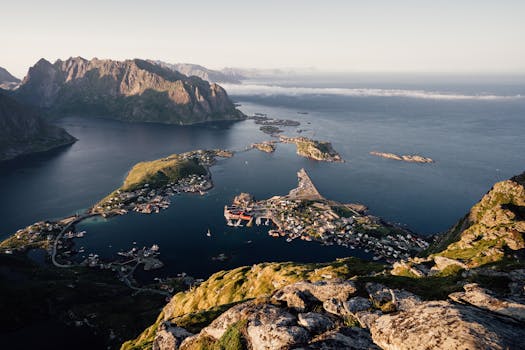
- Norway boasts over 1,190 fjords, including the famous Geirangerfjord, a UNESCO World Heritage site.
- Tromsø, Norway, is situated at 69°N, making it one of the world’s best places for viewing the Northern Lights between September and March.
- Scandinavian daylight varies dramatically: In June, parts of northern Norway enjoy 24 hours of daylight, while in December, they may have just a few hours.
Key facts:
- Norway boasts over 1,190 fjords, including the famous Geirangerfjord, a UNESCO World Heritage site.
- Tromsø, Norway, is situated at 69°N, making it one of the world’s best places for viewing the Northern Lights between September and March.
- Scandinavian daylight varies dramatically: In June, parts of northern Norway enjoy 24 hours of daylight, while in December, they may have just a few hours.
Tip: Always check daylight hours and average temperatures for your destination and month. Pack accordingly—layers and waterproofs are essential year-round!
Navigating Transportation: Rail, Road, and Waterways
Getting around Scandinavia is both easy and scenic. The region is famous for efficient public transport, but the best mode of travel often depends on your itinerary.
Trains: Sweden and Norway have extensive rail networks, and the journeys themselves can be spectacular. The Bergen Line from Oslo to Bergen, for example, climbs over 1,200 meters and passes through high mountain plateaus. Sweden’s SJ trains are comfortable and punctual, linking cities like Stockholm, Gothenburg, and Malmö.
Ferries: Waterways are crucial, especially in Norway and Denmark. Norway’s Hurtigruten ships offer a legendary coastal voyage from Bergen to Kirkenes, covering 34 ports in 11 days. Denmark’s islands are connected by frequent ferries, and Stockholm’s archipelago is best explored by boat.
Cars and Buses: Renting a car gives you access to remote fjords, mountain passes, and small fishing villages. However, be prepared for narrow roads and strict speed limits. Buses fill the gaps in rural areas.
Here’s a quick comparison of popular transport options:
| Mode | Best For | Typical Cost (One-way) | Key Advantages |
|---|---|---|---|
| Train | City-to-city, scenic routes | $40–$150 | Comfort, scenery, eco-friendly |
| Ferry | Island hopping, fjords | $10–$80 | Unique views, access to islands |
| Car Rental | Remote areas, flexibility | $60–$100/day | Freedom, off-the-beaten path |
| Bus | Budget travel, remote villages | $15–$60 | Inexpensive, wide coverage |
Tip: For long journeys, consider overnight trains or ferries to save on accommodation and maximize your time.
Budgeting and Money-Saving Strategies in High-Cost Scandinavia
Scandinavia is often cited as one of the world’s most expensive regions for travelers. For instance, Oslo and Copenhagen routinely feature in lists of the priciest cities worldwide. However, with smart planning, you can experience the north without breaking the bank.
Accommodation: Hostels and budget hotels are widespread and often of higher quality than elsewhere in Europe. Consider “hytte” (cabins) in Norway or Sweden, which are affordable and immersive. Airbnb and local guesthouses offer authentic stays, especially in rural areas.
Food: Eating out is costly—a restaurant meal in Oslo can easily reach $30–$50 per person. Save by shopping at supermarkets (Coop, ICA, Rema 1000) and trying local specialties like Swedish “räksmörgås” (shrimp sandwich) or Danish smørrebrød made with supermarket ingredients. Many public spaces have free picnic areas.
Transport: Make use of travel passes like the Interrail Scandinavia Pass or regional city cards, which include public transport and museum access. For example, the Oslo Pass starts at $47 and covers transport, museums, and attractions for 24 hours.
Free Attractions: Scandinavia’s best experiences—hiking, lakes, and the midnight sun—cost nothing. Many cities offer free walking tours, and national parks are generally free to enter.
Fact: According to Numbeo, as of 2024, the average cost of a mid-range hotel room in Stockholm is $110 per night, while a public transport ticket averages $4.
Tip: Tap water is safe and delicious everywhere, so skip bottled water and bring a reusable bottle.
Immersing in Local Culture: Festivals, Traditions, and Etiquette
Scandinavians are famously reserved but warm once engaged. Understanding a few customs can help you connect more deeply with locals and avoid faux pas.
Midsummer: The Swedish “Midsommar” celebration in June is a joyous occasion with flower crowns, traditional songs, and maypole dancing. In Finland, Juhannus marks the start of summer with bonfires and lake swimming.
Sauna Culture: Particularly in Finland and Sweden, sauna is a way of life. In Finland, there are an estimated 2 million saunas—almost one per household! When invited, follow the lead of your hosts and don’t be shy; swim in a cold lake afterward for a true local experience.
Coffee Breaks: “Fika” in Sweden is a cherished daily ritual involving coffee and pastries, often cinnamon buns (“kanelbullar”). Join locals in a café or park and enjoy the slow pace.
Etiquette: Scandinavians value punctuality, privacy, and modesty. Remove shoes when entering homes, and always queue politely. Tipping is not mandatory, as service charges are included, but rounding up is appreciated.
Tip: Learn a few phrases such as “tack” (thank you in Swedish), “kiitos” (Finnish), or “takk” (Norwegian). Locals appreciate the effort, even though English is widely spoken.
Chasing the Northern Lights and Midnight Sun: Natural Wonders Unveiled
Two of Scandinavia’s most magical phenomena are the aurora borealis (Northern Lights) and the midnight sun. Experiencing either requires timing and a bit of luck.
Northern Lights: The best months to see the aurora are from late September to March. Northern Norway (Tromsø, Alta), Swedish Lapland (Abisko), and Finland’s Rovaniemi are prime destinations. Tromsø boasts a 70% chance of clear aurora sightings on any given night during peak season. Seek out dark, clear skies away from city lights—guided tours increase your odds and safety.
Midnight Sun: From late May to mid-July, parts of northern Norway, Sweden, and Finland never experience true darkness. The sun hovers above the horizon at midnight, bathing landscapes in golden light. This is ideal for hiking, fishing, and outdoor festivals.
Tip: Dress in layers and bring a sleep mask—the continuous daylight can make sleeping tricky in summer, while winter chill is intense when aurora hunting.
Outdoor Adventure and Responsible Travel in Scandinavia
Scandinavia is an outdoor lover’s paradise, with over 40 national parks, thousands of hiking trails, and abundant wildlife. The region’s “right to roam” laws (allemansrätten in Sweden, friluftsliv in Norway) give everyone the freedom to hike, camp, and forage responsibly on uncultivated land.
Hiking: Trek the iconic Trolltunga in Norway, the King’s Trail (Kungsleden) in Sweden, or the Laugavegur Trail in Iceland. Always check trail conditions and weather forecasts—mountain weather changes rapidly.
Wildlife: Spot reindeer in Lapland, musk oxen in Dovrefjell, and even whales off the Lofoten Islands. Binoculars and patience are key, and always respect wildlife.
Sustainability: Scandinavia leads the world in eco-friendly travel. Use public transport, recycle, and choose eco-certified accommodations. Norway’s fjords are now protected from large cruise ships to preserve their unique ecosystems.
Fact: Sweden aims to become the world’s first fossil-free welfare nation by 2045, and Norway gets about 98% of its electricity from hydropower.
Tip: Follow the “leave no trace” principle—pack out all trash, stick to marked trails, and use biodegradable soaps.
Final Tips for Making the Most of Your Scandinavian Journey
Traveling through Scandinavia is about embracing both serene moments and grand adventures. Plan ahead for weather and daylight, but leave space for spontaneous discoveries: a secluded fjord, a midnight swim, or a cozy café. The region’s efficient infrastructure and friendly locals make even remote corners accessible for curious travelers. Whether you’re marveling at the Northern Lights, hiking in endless daylight, or sharing a quiet “fika,” Scandinavia rewards those who approach it with respect, curiosity, and a sense of wonder.