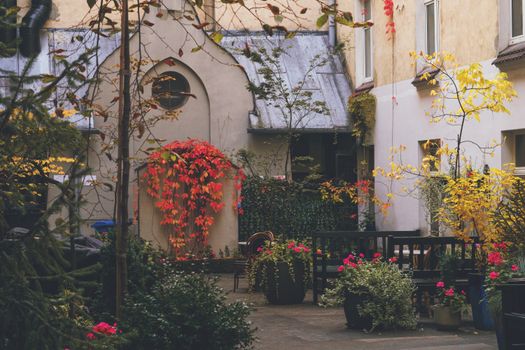
London is a city renowned for its iconic landmarks, bustling streets, and vibrant culture. Yet, among the urban excitement and architectural marvels, the metropolis shelters a collection of tranquil green spaces that remain largely undiscovered by the crowds. These secret gardens and hidden parks are oases of calm, offering city dwellers and visitors an escape into nature, history, and serenity. In this article, we’ll explore some of London’s most enchanting hidden green spaces, uncover their fascinating stories, and reveal how you can experience a quieter side of the capital.
The Allure of Hidden Gardens: History and Charm
London’s network of secret gardens is rooted in centuries of history. Many of these green sanctuaries began life as private retreats for aristocrats, churchyards, or communal spaces for residents behind imposing Georgian façades. Over time, some have been opened to the public, while others remain known only to locals and a handful of in-the-know explorers.
For example, the city boasts over 3,000 parks and green spaces, but a significant number are tucked away from main thoroughfares. According to the London Parks & Gardens Trust, nearly 200 historic green spaces are classified as "hidden" or "lesser-known," often protected by garden squares or old brick walls.
.png)
The appeal of these gardens lies in their ability to transport visitors to another world within the heart of the city. From medieval courtyards to Victorian planting schemes and modern eco-friendly gardens, each offers a unique glimpse into London’s layered past and enduring love affair with nature.
Five of London’s Best-Kept Secret Gardens
While the likes of Hyde Park and Regent’s Park are world-famous, the following gardens offer a more secluded experience:
1. $1 Nestled within Holland Park, the Kyoto Garden is a slice of Japanese tranquility. Opened in 1991 as a gift from Kyoto to commemorate the Japan Festival, its waterfalls, koi carp ponds, and stone lanterns create a soothing environment. Despite being in a public park, its secluded location ensures a peaceful atmosphere. 2. $1 Hidden between King Edward Street and Little Britain, Postman’s Park is famed for its Memorial to Heroic Self Sacrifice—a touching tribute to ordinary people who died saving others. Surrounded by lush planting, this quiet spot is a poignant reminder of London’s unsung heroes. 3. $1 After being bombed during the Blitz, the ruins of St. Dunstan’s church were transformed into a public garden. Ivy-clad arches and Gothic remnants create a hauntingly beautiful atmosphere, making it a favorite for photographers and contemplative visitors alike. 4. $1 Tucked behind Charing Cross Road, the Phoenix Garden is a volunteer-run community space filled with wildflowers, ponds, and wildlife. Despite its proximity to the West End, it remains a peaceful refuge for urban workers and theater-goers. 5. $1 This lush, community-managed garden features vegetable plots, a wildlife pond, and a sensory garden. It’s particularly beloved by local residents seeking a hands-on connection with nature and a break from city life.Secret Parks: Urban Wild Spaces Off the Beaten Path
Beyond gardens, London is also home to hidden parks—larger, often wilder spaces that provide sanctuary for both people and wildlife. These parks may not appear in tourist guides, but they are vital green lungs for the city.
- $1 Known mostly to locals, this 7.6-hectare park features open meadows, old trees, and a relaxed vibe that contrasts sharply with nearby busy roads. - $1 One of London’s “Magnificent Seven” Victorian cemeteries, Abney Park is now a woodland reserve, home to 2,500 species of plants and a haven for birds and bats. - $1 Hidden within the larger Brockwell Park, this walled garden is a horticultural treasure trove with vibrant flower beds, fruit trees, and quiet benches. - $1 This tranquil stretch where Regent’s Canal meets the Grand Union Canal is lined with willow trees, waterside gardens, and narrowboats—perfect for a peaceful stroll or picnic.How These Oases Benefit Londoners: Wellbeing and Sustainability
Secret gardens and parks are more than just pretty spaces; they play a crucial role in urban life. Research by Natural England shows that access to green spaces can reduce stress, improve mental health, and boost physical activity. In a 2022 survey, 64% of Londoners reported that spending time in parks and gardens improved their wellbeing.
These hidden spaces also help combat urban challenges. Green roofs, rain gardens, and wildflower meadows enhance biodiversity and support pollinators. Community gardens like Culpeper foster social cohesion and provide opportunities for environmental education. Furthermore, many hidden gardens are maintained sustainably, using organic methods and promoting native species.
Comparing Secret Gardens and Parks: Features at a Glance
To help you choose which oasis to explore, here’s a comparison of some top secret gardens and parks in London:
| Name | Location | Size | Unique Feature | Accessibility |
|---|---|---|---|---|
| Kyoto Garden | Holland Park, Kensington | 0.8 hectares | Japanese water features, koi carp | Free, open daily |
| Postman’s Park | City of London | 0.4 hectares | Heroic Self Sacrifice Memorial | Free, open daily |
| Phoenix Garden | Covent Garden | 0.2 hectares | Wildlife ponds, wildflowers | Free, open daily |
| Abney Park Cemetery | Stoke Newington | 13 hectares | Woodland reserve, Victorian cemetery | Free, open daily |
| Brockwell Walled Garden | Herne Hill | 0.3 hectares | Walled horticultural garden | Free, open Mon-Fri, limited weekend access |
Seasonal Secrets: When to Visit for the Best Experience
The magic of London’s hidden gardens and parks changes with the seasons. Visiting at different times of year can reveal new aspects and experiences:
- $1 Cherry blossoms in Kyoto Garden and bluebells in Abney Park create a riot of color. - $1 Community gardens such as Culpeper are in full bloom, with bees and butterflies abounding. - $1 The russet leaves in St. Dunstan in the East and Eel Brook Common provide a picturesque backdrop. - $1 Many gardens host frost-tipped evergreens, and the quiet is perfect for peaceful reflection.Some gardens also host special events, such as guided tours, open days, or workshops. The annual Open Garden Squares Weekend in June opens the gates to over 100 private gardens across the city, many of which remain closed the rest of the year.
How to Discover and Respect London’s Hidden Oases
Part of the joy in exploring these secret gardens is the sense of discovery. Here are a few tips for making the most of your visit:
- $1 Ask local residents, shopkeepers, or community websites for tips on hidden gems. - $1 Many garden squares and small parks are accessible via discrete entrances off main roads. - $1 Many of these gardens are maintained by volunteers or local residents. Always follow posted guidelines, keep noise to a minimum, and take litter home. - $1 Many secret gardens rely on donations or volunteers. Consider making a small contribution or joining a local gardening effort if you’re a frequent visitor.Why Secret Gardens and Parks Matter in Modern London
As London continues to grow—its population exceeded 9 million in 2023—the need for green sanctuaries has never been greater. Secret gardens and hidden parks are not just relics of the past; they are vital resources for the city’s future. They offer respite from noise and pollution, preserve biodiversity, and connect communities to their shared history. In a city often defined by its pace and energy, these oases of calm invite us to slow down, observe, and reconnect with nature.
Whether you’re a Londoner seeking a moment of peace or a visitor wanting to experience the city beyond the guidebooks, these green retreats await your discovery.