Thailand, known as the “Land of Smiles,” is a magnet for adventurers from around the globe. With its lush jungles, vibrant cities, ancient temples, and world-class beaches, the country offers boundless opportunities for exploration. But to make the most of your Thai adventure, preparation is key. Whether you plan to trek through the mountains of Chiang Mai, island-hop in the Andaman Sea, or immerse yourself in Bangkok’s whirlwind of markets and nightlife, understanding the practicalities of travel in Thailand will help you experience the country in a safe, enjoyable, and meaningful way. This comprehensive guide provides practical tips and essential advice for preparing for an adventure in Thailand—covering everything from packing smart to navigating local customs and choosing the right travel insurance.
Understanding Thailand’s Climate and Seasons
Thailand’s tropical climate is both a blessing and a challenge for travelers. While warm temperatures and sunny skies can be enjoyed year-round, the country’s distinct seasons—hot, rainy, and cool—can significantly impact your adventure plans.
The hot season runs from March to June, with temperatures soaring to 35–40°C (95–104°F), especially in central and northern regions. The rainy season, from July to October, is characterized by heavy but brief downpours, often in the late afternoon. This is also a period when lush landscapes come alive, and waterfalls are at their most impressive. The cool season, from November to February, offers the most pleasant weather, with daytime temperatures of 25–30°C (77–86°F), making it the peak period for outdoor adventures.
.png)
If you’re planning activities like trekking, rock climbing, or motorbiking, the cool season is ideal. However, the rainy season can be the best time for river rafting or exploring less-crowded sites. Coastal destinations differ too: the west coast (Phuket, Krabi) is driest from November to April, while the east coast (Koh Samui, Koh Phangan) sees better weather from January to September.
Essential Health and Safety Preparations
Thailand’s exotic appeal shouldn’t overshadow the importance of health and safety preparations. Start by visiting a travel health clinic 6–8 weeks before your trip to discuss recommended vaccinations. The Centers for Disease Control and Prevention (CDC) suggests vaccines for Hepatitis A and B, typhoid, and Japanese encephalitis (if you’ll be in rural areas or during the rainy season). Malaria risk is generally low in tourist areas but may be higher in border regions with Cambodia, Laos, and Myanmar.
Mosquito-borne diseases like dengue fever and Zika virus are present, so pack a high-quality insect repellent (with at least 20% DEET), light long-sleeved clothing, and consider staying in accommodations with screened windows or air conditioning.
Thailand’s medical facilities are excellent in cities like Bangkok, Chiang Mai, and Phuket, with internationally accredited hospitals. However, rural areas may have limited services. Comprehensive travel insurance is essential—look for policies that cover adventure activities, medical evacuation, and theft. According to Thailand’s Ministry of Tourism, over 38 million travelers visited in 2019, but only about 60% carried adequate insurance, leading to thousands of costly emergencies yearly.
What to Pack for an Adventurous Thailand Trip
Packing for Thailand means balancing comfort, practicality, and respect for local culture. Lightweight, breathable fabrics are ideal for the heat, but you’ll also need clothing that covers shoulders and knees for visits to temples and remote villages. Waterproof gear is a must during the rainy season, and sturdy footwear (like hiking sandals or trail shoes) is crucial for trekking and exploring.
Here’s a quick comparison of packing essentials for different types of Thai adventures:
| Item | Backpacking | Island Hopping | Jungle Trekking |
|---|---|---|---|
| Quick-dry clothing | Yes | Yes | Yes |
| Waterproof bag cover | Optional | Yes | Must-have |
| Sturdy hiking shoes | Optional | No | Yes |
| Swimsuit | Yes | Must-have | Optional |
| Headlamp/flashlight | Yes | Optional | Must-have |
| Microfiber towel | Yes | Yes | Yes |
| Portable water filter | Optional | No | Recommended |
Don’t forget essentials like sunscreen (SPF 30+), a reusable water bottle, universal power adapter (Thailand uses types A, B, C, and O plugs), and copies of important documents (passport, insurance, visas). Consider a small first-aid kit with antiseptic, plasters, and anti-diarrheal medication, as changes in food and water can upset sensitive stomachs.
Navigating Transportation and Local Logistics
Getting around Thailand is an adventure in itself. The country boasts an extensive network of buses, trains, ferries, and low-cost airlines. Bangkok’s Skytrain (BTS) and underground (MRT) make urban travel swift and affordable, with single fares starting at just 16 THB (about $0.45 USD). For intercity journeys, trains offer scenic routes—like the historic line to Chiang Mai—while buses connect even the smallest towns.
For trips to islands such as Koh Phi Phi or Koh Tao, ferries depart from major ports like Phuket, Surat Thani, and Chumphon, with fares ranging from 300–800 THB ($9–$24 USD) depending on the route and class. Domestic flights are a time-saving option for longer distances: airlines such as Thai AirAsia and Bangkok Airways often offer one-way fares under $50 USD.
Within cities and towns, tuk-tuks and motorcycle taxis provide a quintessential Thai experience but always agree on a fare before starting your journey. Ride-hailing apps like Grab offer transparent pricing and are available in major urban centers.
To rent a scooter or motorcycle, you’ll need an International Driving Permit (IDP) alongside your home country license. Helmets are mandatory, and police frequently check for compliance. In 2022, Thailand reported over 17,000 road fatalities, with motorcycles accounting for 74% of those deaths—so safety should never be overlooked.
Respecting Thai Culture and Local Etiquette
Cultural awareness will enrich your travels and help you avoid common faux pas. Thailand is deeply rooted in Buddhist traditions, and respect for religion, royalty, and social hierarchies runs deep.
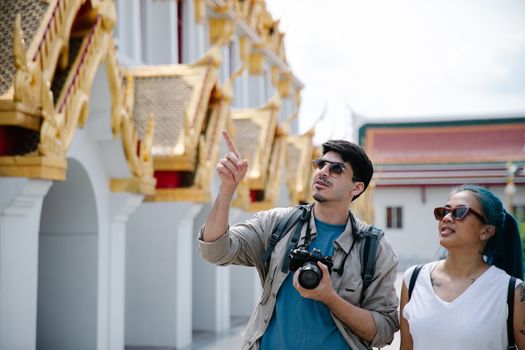
When visiting temples, dress modestly: cover your shoulders, knees, and remove shoes before entering sacred spaces. Women should avoid physical contact with monks. Always greet with a wai (palms pressed together, slight bow), especially when meeting elders or in formal settings.
Public displays of affection are frowned upon, and losing your temper or raising your voice is considered a loss of face, best avoided even in stressful situations. The head is considered the highest part of the body—never touch anyone’s head, including children. Likewise, feet are seen as the lowest and should not be pointed at people or religious images.
Tipping is not mandatory but is appreciated in tourist areas and restaurants (10% is customary for good service). When shopping in markets, polite bargaining is expected, but maintain a friendly demeanor.
Money, Communication, and Staying Connected
Thailand’s currency is the Thai Baht (THB). As of early 2024, $1 USD is approximately 34 THB. ATMs are widely available in cities and tourist towns, but rural areas may have limited access, so carry some cash when venturing off the beaten path. Many ATMs charge a 220 THB (about $6.50 USD) fee for international cards per withdrawal, so plan accordingly.
Credit cards are accepted in hotels, upscale restaurants, and larger stores, but cash is king in small shops, markets, and for transportation. Currency exchange booths offer competitive rates, and you’ll need your passport to exchange money.
Staying connected is easy: prepaid SIM cards are available at airports and 7-Eleven stores nationwide. The three main providers—AIS, TrueMove, and DTAC—offer affordable data packages. For example, a 30-day data SIM with 15GB can cost as little as 600 THB (about $18 USD). Wi-Fi is widely available in hotels, cafés, and even many public spaces.
English is spoken in major tourist areas, but learning a few basic Thai phrases will go a long way. "Sawasdee" (hello), "khop khun" (thank you), and "mai pen rai" (no worries) can help break the ice and show respect for local culture.
Final Thoughts on Preparing for Your Thai Adventure
A well-prepared adventure in Thailand will reward you with memories that last a lifetime. By understanding the country’s climate, packing smart, safeguarding your health, respecting local customs, and managing logistics, you’ll be free to focus on the thrill of discovery—from bustling night markets to tranquil mountain villages and pristine beaches. Remember, the best adventures blend curiosity with a spirit of respect and adaptability. With these practical tips, you’re ready to embark on your own unforgettable journey through the Land of Smiles.