Discovering Malaysia: A Personal Travel Blog Journey Through Nature, Islands, and Unexpected Adventures
Malaysia is a country that stirs the senses and ignites the imagination. From the emerald peaks of Borneo to the bustling markets of Penang and the coral-fringed islands of the east coast, every journey here is a discovery. My personal travel blog about Malaysia is not just a diary of places visited, but an exploration of the wild heart, vibrant cultures, and unexpected adventures that this Southeast Asian jewel offers beyond the familiar guides and food trails.
This narrative is for fellow wanderers who crave more than snapshots of city skylines or reviews of famous street food. Join me as I recount the days spent chasing waterfalls in rainforest reserves, diving with sea turtles off remote islands, hiking through time-worn tea plantations, and stumbling upon ancient cave temples. Here, the real Malaysia is revealed — raw, authentic, and unforgettable.
.png)
Why Malaysia Captivates Adventurous Travelers
Malaysia is often celebrated for its multicultural harmony and culinary riches. However, what truly sets it apart for adventure-seekers and nature lovers is its astonishing diversity of landscapes and experiences. The country is split between Peninsular Malaysia and the states of Sabah and Sarawak on the island of Borneo, each offering unique ecosystems and outdoor thrills.
According to Tourism Malaysia, over 4.5 million international tourists visited national parks, marine parks, and eco-destinations in 2023, a number that has steadily increased as travelers seek out nature-based escapades. Malaysia is home to 18 National Parks, over 50 marine parks, and the oldest tropical rainforest in the world — Taman Negara, estimated at 130 million years old. This makes the country a goldmine for hikers, divers, and anyone drawn to untamed beauty.
From my own journeys, I learned that Malaysia’s allure lies not just in its postcard-perfect spots, but in the small moments: the call of gibbons at dawn in a misty forest, the cool spray of a hidden jungle waterfall, and the thrill of spotting a wild orangutan in Borneo.
Island-Hopping: Beyond Langkawi and Penang
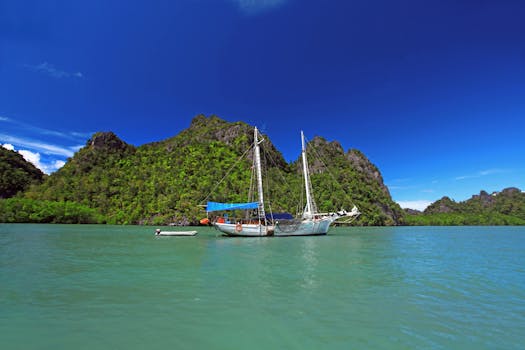
Most travelers know Malaysia’s popular islands like Langkawi and Penang, but for those yearning for untouched beauty, the lesser-known archipelagos offer a different kind of magic. My personal favorite is the Perhentian Islands on the northeast coast.
Accessible by a 45-minute ferry from Kuala Besut, the Perhentians are made up of two main islands: Perhentian Besar (“Big”) and Perhentian Kecil (“Small”). Unlike many commercialized beach destinations, these islands have no roads — just sandy footpaths, wooden jetties, and crystal-clear lagoons. I spent days snorkeling above vibrant coral gardens, swimming with blacktip reef sharks, and watching sunsets that turned the sea to molten gold.
Another gem is Tioman Island, voted one of the world’s most beautiful islands by TIME Magazine in the 1970s. Today, it still offers a laid-back vibe, jungle treks to hidden waterfalls, and some of the best dive spots in Southeast Asia. While the island is more developed than the Perhentians, it retains a rustic charm, and I found myself captivated by the sight of hornbills flying overhead as I trekked through the rainforest.
For travelers interested in comparing these island experiences, here’s a quick overview:
| Island | Accessibility | Main Activities | Best Time to Visit | Unique Feature |
|---|---|---|---|---|
| Perhentian Islands | Ferry from Kuala Besut (45 min) | Snorkeling, diving, kayaking | March–October | No roads, laid-back atmosphere |
| Tioman Island | Ferry from Mersing (2 hrs) | Diving, hiking, waterfalls | March–October | Rainforest treks, hornbills |
| Langkawi | Flight/ferry from Penang/Kuala Lumpur | Beaches, cable car, geopark | November–April | Duty-free shopping, Sky Bridge |
Into the Wild: Exploring Malaysia’s Rainforests and National Parks
If you want to experience the planet’s oldest rainforests, Malaysia is a top destination. Taman Negara, spanning three states in the heart of Peninsular Malaysia, offers 4,343 square kilometers of dense jungle, ancient trees, and rare wildlife. During my trek here, I crossed the world’s longest canopy walkway (530 meters), spotted the elusive Malayan tapir, and spent a night in a basic hide, listening to the symphony of nocturnal creatures.
For those looking to go deeper, Borneo delivers unrivaled biodiversity. Sabah’s Danum Valley Conservation Area is a 438-square-kilometer rainforest reserve where researchers have cataloged over 340 bird species and 120 species of mammals, including orangutans and pygmy elephants. Guided night safaris and canopy walks here are unforgettable. According to WWF Malaysia, Borneo is home to 11,000 plant species and 222 species of mammals, making it one of the world’s top biodiversity hotspots.
Another must-visit is Gunung Mulu National Park in Sarawak, famous for its dramatic limestone karsts, the world’s largest cave chamber (Sarawak Chamber), and the nightly exodus of millions of bats from Deer Cave — a spectacle that left me in awe.
Hidden Temples, Caves, and Cultural Wonders
Beyond its natural riches, Malaysia is dotted with hidden cultural gems. During my travels, I found that the country’s spiritual heart is often tucked away in unexpected places.
One of the most memorable experiences was visiting the Batu Caves near Kuala Lumpur. These massive limestone caves house Hindu shrines and attract over 1.5 million pilgrims each year during the Thaipusam festival. Climbing the 272 rainbow-colored steps to the main cave, I marveled at the towering golden statue of Lord Murugan and the intricate temple carvings inside.
In Ipoh, the Kek Lok Tong Cave Temple is a tranquil sanctuary set within a limestone cavern, surrounded by lush gardens and lotus ponds. Unlike the crowded Batu Caves, this temple felt serene and meditative — a hidden gem for travelers seeking quiet reflection.
Malaysia’s cultural tapestry is also evident in the historic city of Malacca (Melaka), a UNESCO World Heritage Site. Walking through the old town, I encountered centuries-old mosques, Chinese clan houses, and Dutch colonial buildings, all coexisting harmoniously. Each corner held a story, from the bustling Jonker Street market to the peaceful riverside temples.
Unexpected Adventures: Wildlife Encounters and Local Hospitality
Some of the most memorable stories from my Malaysian journeys come from spontaneous encounters and the warmth of local communities. In the wilds of Borneo, I joined a small group on a Kinabatangan River safari, where we spotted wild proboscis monkeys, hornbills, and even a saltwater crocodile lurking beneath the mangroves.
On the east coast, I visited the tiny village of Cherating, known for its relaxed surf scene and as a nesting site for endangered green and leatherback turtles. The local turtle sanctuary, run by volunteers, offers night-time walks during nesting season (May to September), and I was lucky enough to witness baby turtles making their way to the sea — a humbling experience that deepened my appreciation for Malaysia’s conservation efforts.
Perhaps the greatest adventure was simply connecting with Malaysians themselves. Whether sharing a home-cooked meal in a kampung (village), joining a traditional harvest festival in Sabah, or being invited for impromptu tea on a tea plantation in Cameron Highlands, I found that the real heart of Malaysia is its people — generous, curious, and proud of their heritage.
Travel Tips for Your Own Malaysian Adventure
If you feel inspired to chart your own path through Malaysia, here are some practical tips from my personal experiences:
1. Best Time to Visit: Malaysia is a year-round destination, but the best months for the west coast (Penang, Langkawi, Kuala Lumpur) are November to April, while the east coast islands (Perhentians, Tioman) are best visited from March to October to avoid monsoon closures. 2. Getting Around: Malaysia has an extensive and affordable bus and rail network. Domestic flights are inexpensive and connect major cities to Borneo and remote islands. 3. Safety: Malaysia is generally safe for travelers, but it’s wise to be cautious in remote jungle areas and when swimming in open waters. Always check local weather and wildlife advisories. 4. Language: English is widely spoken, especially in tourist areas, but learning a few Malay phrases (like “terima kasih” for “thank you”) goes a long way. 5. Sustainable Travel: Support local conservation efforts by choosing eco-friendly accommodation and tour operators certified by organizations like Green Destination Malaysia or WWF.Reflections on Discovering Malaysia
Traveling through Malaysia is a journey of contrasts — from serene islands and primeval jungles to vibrant cities and tranquil temples. What began as a quest for adventure and new landscapes became something deeper: a lesson in humility, respect for nature, and the power of genuine connections.
From the world’s oldest rainforest to secluded islands, from ancient temples to the laughter shared over a simple meal, Malaysia revealed itself to me in layers. Each story, each encounter, became a thread in a rich tapestry that I am grateful to share.
If you’re planning your own adventure, know that Malaysia rewards the curious and the open-hearted. Step off the beaten path, embrace the unexpected, and you’ll discover a Malaysia that is as wild or as welcoming as you wish.