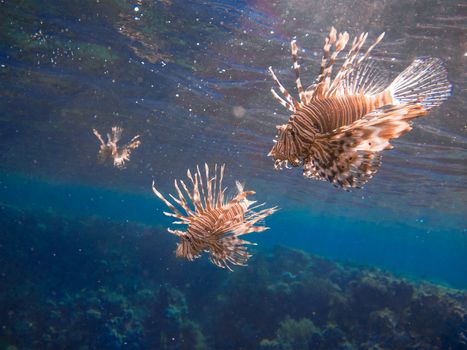
Egypt is a land of wonders, where the grandeur of ancient pyramids meets the dazzling beauty of the Red Sea. While many travelers are drawn to Egypt for its iconic history, a rapidly growing number of adventurers are discovering that the country's true treasures sometimes lie beneath the waves. With crystal-clear waters, vibrant coral reefs, and a kaleidoscope of marine life, Egypt has become a world-class diving destination. Whether you’re a seasoned diver or a curious beginner, the underwater realm of Egypt promises unforgettable experiences. This article dives deep into the best places for diving in Egypt, what makes them unique, and why this underwater paradise beckons adventurers from around the globe.
Why Egypt is a Diver’s Dream Destination
Egypt’s Red Sea coastline stretches for more than 1,000 kilometers, offering a mix of protected marine parks, dramatic drop-offs, and sheltered bays. The area is celebrated for its exceptional water clarity, with visibility often exceeding 30 meters. Over 1,200 species of fish thrive here, including 44 species found nowhere else on earth. The Red Sea’s coral reefs, estimated to be over 5,000 years old, form one of the most diverse marine ecosystems outside of the Great Barrier Reef.
One of the most appealing features for divers is the year-round warm water, with temperatures ranging from 21°C (70°F) in winter to 29°C (84°F) in summer. Egypt’s diving infrastructure is also top-notch, with hundreds of dive centers catering to every skill level. From shallow reefs teeming with colorful fish to thrilling wrecks and drift dives, every underwater explorer can find their perfect adventure.
.png)
Sharm El-Sheikh: Gateway to Ras Mohammed and the Straits of Tiran
Sharm El-Sheikh, located at the southern tip of the Sinai Peninsula, is Egypt’s most famous diving hub. This bustling resort town is the launching point for some of the Red Sea’s most legendary dive sites.
Ras Mohammed National Park, just a short boat ride from Sharm, is renowned for its pristine coral gardens and dramatic underwater cliffs. The park’s Shark and Yolanda Reefs attract divers from around the world, offering encounters with barracuda, snapper, and the occasional reef shark. In July, massive schools of fish gather around the reefs in a breathtaking natural spectacle.
The Straits of Tiran, northeast of Sharm El-Sheikh, feature four massive coral reefs named Gordon, Thomas, Woodhouse, and Jackson. Divers often spot eagle rays, turtles, and even hammerhead sharks in these fast-moving waters, particularly during the summer months.
Sharm El-Sheikh stands out for its accessibility, with an international airport and a wide range of accommodations. The town’s dive centers cater to beginners and experts alike, making it an ideal base for exploring the northern Red Sea.
Hurghada and El Gouna: Vibrant Reefs and Wrecks for All Levels
Once a sleepy fishing village, Hurghada has grown into a bustling resort city and one of Egypt’s top diving destinations. The nearby town of El Gouna offers a more exclusive, upmarket experience, complete with luxury resorts and private marinas.
The reefs off Hurghada are ideal for beginners, thanks to gentle currents and shallow coral gardens. Sites like Giftun Island, with its bright anemone clusters and playful clownfish, are perfect for novice divers or those seeking relaxed underwater exploration.
For those craving more adventure, the area is home to several famous wrecks. The SS Thistlegorm, a British WWII ship sunk in 1941, is considered one of the world’s best wreck dives. Lying at a depth of 30 meters, the Thistlegorm still contains vintage motorcycles, trucks, and train carriages, offering divers a unique glimpse into history.
El Gouna, just 25 kilometers north of Hurghada, boasts immaculate lagoons and coral pinnacles. The Abu Nuhas reef, also known as the “Ship Graveyard,” features no fewer than four wrecks, including the Giannis D and Carnatic, both easily accessible to recreational divers.
Marsa Alam: Egypt’s Untamed Southern Frontier
For those seeking a wilder, less-crowded diving experience, Marsa Alam is the place to go. Located on the southern Red Sea coast, Marsa Alam remains relatively undeveloped compared to northern resorts. Its remote location is a major draw for serious divers and underwater photographers.
Marsa Alam’s most celebrated dive site is Elphinstone Reef, a narrow, 300-meter-long coral formation that plunges into deep blue water. Here, divers regularly encounter oceanic whitetip sharks, hammerheads, and even the elusive dugong, or sea cow. The reef’s steep walls are adorned with soft corals, gorgonian fans, and swirling anthias.
Another highlight is the Dolphin House (Sha’ab Samadai), a horseshoe-shaped reef where spinner dolphins often gather in large pods. Snorkelers and divers alike have the chance to interact respectfully with these intelligent marine mammals.
Marsa Alam’s proximity to Sudanese waters means fewer crowds and healthier reefs. The region is also the gateway to Egypt’s southernmost marine parks, such as Wadi El Gemal, known for its seagrass meadows and turtle populations.
Dahab: Laid-Back Vibes and World-Famous Blue Hole
Dahab, once a remote Bedouin outpost, has become a magnet for backpackers and independent travelers seeking a relaxed, bohemian atmosphere. Unlike the bigger resort towns, Dahab retains a low-key charm, with beachside cafes and a vibrant local community.
Dahab’s most famous dive site is the Blue Hole, a vertical sinkhole plunging over 100 meters deep. The Blue Hole is notorious among technical divers, but its outer walls offer spectacular, safe diving for recreational enthusiasts. The nearby Canyon, another signature site, features a winding crevice filled with glassfish and lionfish.
Dahab is also popular for shore diving, making it easy to access world-class reefs without a boat. Sites like Lighthouse and Eel Garden are just a few fin kicks from the beach and teem with life, from seahorses to moray eels.
The town’s relaxed pace and affordable prices make it a favorite for extended stays and dive training. Dahab is also a hub for freediving, attracting record-setting athletes from around the world.
Comparing Egypt’s Top Dive Destinations
To help you choose the best spot for your next diving adventure, here’s a comparison of Egypt’s four premier diving regions:
| Destination | Best For | Signature Sites | Water Temperature | Accessibility | Marine Highlights |
|---|---|---|---|---|---|
| Sharm El-Sheikh | All levels, biodiversity | Ras Mohammed, Tiran Reefs | 22–28°C | Excellent (International airport) | Sharks, barracuda, coral walls |
| Hurghada/El Gouna | Beginners, wreck diving | Giftun Island, Thistlegorm, Abu Nuhas | 22–28°C | Excellent (International airport) | Wrecks, turtles, clownfish |
| Marsa Alam | Advanced, pelagic encounters | Elphinstone, Dolphin House | 22–29°C | Good (Smaller airport) | Oceanic whitetip, dolphins, dugong |
| Dahab | Freediving, shore diving | Blue Hole, Canyon, Lighthouse | 21–28°C | Fair (Bus/taxi from Sharm) | Seahorses, moray eels, glassfish |
Conservation and Responsible Diving in Egypt
Egypt’s marine ecosystems are both beautiful and fragile. Over 2 million tourists visit the Red Sea coast annually, which puts pressure on reefs and marine life. The Egyptian government and local NGOs have taken significant steps to protect these precious environments. Ras Mohammed National Park, established in 1983, was the first marine reserve in the country, and today, Egypt boasts over 30 protected marine areas.
Diving operators in Egypt increasingly emphasize sustainable practices. These include banning single-use plastics on boats, enforcing “no touch” and “no take” policies on reefs, and participating in reef clean-up events. Divers are encouraged to use reef-safe sunscreen and avoid disturbing marine life.
Coral restoration projects are underway in several regions, and volunteer opportunities exist for divers who want to contribute to conservation efforts. By choosing responsible dive operators and following best practices, visitors can help ensure these underwater wonders remain for generations to come.
Final Thoughts: Egypt’s Underwater Magic Awaits
From the bustling reefs of Sharm El-Sheikh to the remote beauty of Marsa Alam, Egypt’s coastline offers a kaleidoscope of diving experiences. With warm waters, incredible biodiversity, and a mix of easy and challenging sites, it’s no wonder Egypt is regularly ranked among the world’s top dive destinations. Whether you dream of drifting alongside sharks, exploring sunken wartime ships, or simply floating above a coral garden, the Red Sea’s underwater paradise is ready to welcome you. Pack your mask, fins, and a sense of adventure—Egypt’s aquatic treasures await beneath the surface.