India’s culinary scene is a vibrant tapestry, woven with centuries of tradition, diverse cultures, and regional influences. For travelers and food enthusiasts alike, exploring the country’s gastronomic experiences is not just about tasting delicious food—it’s about discovering stories, rituals, and communities that make Indian cuisine a living heritage. From the smoky kitchens of Rajasthan to the spice-laden markets of Kerala, India invites you to embark on a flavorful journey that goes far beyond the ordinary. Let’s dive into the heart of India’s food landscape, uncovering iconic dishes, culinary traditions, and unforgettable experiences that await every palate.
The Diversity of Indian Cuisine: A Culinary Mosaic
India’s culinary diversity is legendary. With over 1.4 billion people, 28 states, and hundreds of languages, the country’s food varies dramatically from region to region. Indian cuisine is shaped by geography, climate, religious beliefs, and history, resulting in an astonishing array of flavors and cooking techniques.
For example, northern India is famous for its wheat-based breads like naan and paratha, creamy curries, and robust use of dairy. In contrast, southern India celebrates rice, coconut, and fiery spices in dishes such as dosa, sambar, and rasam. Coastal regions like Goa and Kerala are renowned for their seafood specialties and unique spice blends, while the deserts of Rajasthan offer hearty vegetarian fare designed to withstand the arid climate.
.png)
According to a 2023 report by the National Restaurant Association of India, the country boasts over 2 million eateries, from humble street stalls to opulent fine-dining establishments. This diversity ensures that every meal in India is a new adventure, with each region offering its signature tastes and culinary secrets.
Must-Try Traditional Dishes Across India
Sampling traditional dishes is the best way to experience India’s culinary heritage. Here are just a few iconic foods that capture the essence of different regions:
- $1 This fragrant rice dish, layered with marinated meats or vegetables and slow-cooked with saffron and spices, is a symbol of celebration. Hyderabad’s version is known for its rich flavors, while Lucknow’s Awadhi biryani is more delicate and aromatic. - $1 A steamed savory cake made from fermented rice and chickpea batter, dhokla is a light, spongy snack often served at breakfast or with afternoon tea. - $1 This aromatic lamb curry is distinguished by its deep red color, achieved through Kashmiri chilies, and its subtle blend of spices. Traditionally enjoyed with steamed rice, it reflects the region’s Persian influences. - $1 A crisp, paper-thin rice crepe filled with spicy potato masala, usually served with coconut chutney and sambar. Bengaluru alone has over 1,500 dosa stalls, making it a breakfast staple. - $1 Coconut milk, tamarind, and a medley of spices come together in this coastal classic. Kerala’s backwaters are home to over 40 species of freshwater fish, many of which end up in the local curry pot. - $1 This cooling dish consists of rice soaked in water and curd, often enjoyed during the hot summer months. It’s a testament to how Indian cuisine adapts to local climates.These dishes merely scratch the surface—each state has its own specialties, often varying from city to city and even household to household.
Street Food Adventures: Savoring India’s Bustling Bazaars
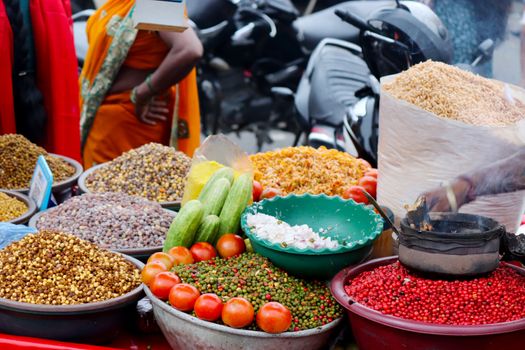
To truly understand India’s food culture, one must venture onto its lively streets. Street food is an integral part of daily life, offering quick, flavorful, and affordable bites that reflect local preferences and creativity.
Mumbai’s famous vada pav—a spicy potato fritter sandwiched in a bun—has been called “India’s answer to the burger,” with over 20,000 stalls serving it daily across the city. Delhi’s chaat (a tangy, spicy snack) draws crowds to spots like Chandni Chowk, while Kolkata’s kathi rolls (paratha wraps filled with skewered meats or vegetables) have become a city icon.
Hygiene standards have improved in recent years, with many cities introducing food safety regulations and vendors adapting to meet new expectations. According to a 2022 survey by the Food Safety and Standards Authority of India, nearly 60% of urban street food vendors have adopted better hygiene practices in the past five years.
For the adventurous eater, street food offers a chance to mingle with locals, discover new flavors, and experience the vibrant energy of India’s urban life.
Unique Culinary Experiences: Beyond the Plate
Beyond tasting food, India offers immersive gastronomic experiences that engage all the senses. Here are some unforgettable ways to deepen your connection with Indian cuisine:
- $1 Many cities offer hands-on cooking sessions with local chefs or home cooks. Learn to blend spices, knead dough, or temper curries, and take home new skills as souvenirs. - $1 Kerala, known as the “Land of Spices,” invites visitors to walk through aromatic plantations where cardamom, pepper, cinnamon, and cloves grow. Guided tours explain the origins, uses, and health benefits of each spice. - $1 Culinary tours led by local experts are increasingly popular in cities like Jaipur, Chennai, and Bengaluru. These walks introduce travelers to hidden gems, from family-run sweet shops to bustling markets. - $1 In states like Tamil Nadu and Karnataka, many temples serve free communal meals called “prasadam.” These vegetarian feasts, cooked in massive cauldrons, are a spiritual and social experience unique to India. - $1 Rajasthan’s palaces and heritage hotels often recreate historical dining experiences, complete with silver thalis (platters) and dishes once reserved for royalty.These activities go beyond eating—they tell the story of India’s culinary evolution, its rituals, and its unbreakable bond between food and community.
Vegetarian and Vegan Delights: India’s Plant-Based Heritage
India is a paradise for vegetarians and vegans, thanks to religious traditions such as Hinduism, Jainism, and Buddhism, which promote plant-based diets. Over 30% of Indians are estimated to be vegetarian, making it the country with the largest vegetarian population in the world. This has led to an incredible variety of plant-based dishes that are hearty, flavorful, and deeply satisfying.
Some classic vegetarian dishes include:
- $1 Lentils cooked with onions, tomatoes, and a tempering of spices. This staple appears in nearly every Indian household, with regional variations. - $1 Smoky mashed eggplant cooked with tomatoes, onions, and spices, typically enjoyed with roti. - $1 Soft cubes of paneer (Indian cottage cheese) simmered in a creamy tomato sauce, a favorite in North Indian restaurants. - $1 A dry curry of potatoes and cauliflower, flavored with turmeric, cumin, and coriander.Vegan travelers will find plenty of options, especially in southern and western India, where coconut milk and oil are common substitutes for dairy. Many sweets and desserts can also be made vegan upon request.
Comparing Regional Cuisines: Key Ingredients and Flavors
India’s regional cuisines are as distinct as its languages. The following table offers a comparative overview of four major culinary regions:
| Region | Key Staples | Signature Flavors | Popular Dishes |
|---|---|---|---|
| North India | Wheat, dairy, legumes | Creamy, mild, aromatic | Butter chicken, naan, rajma, chole |
| South India | Rice, lentils, coconut | Spicy, tangy, fermented | Dosa, idli, sambhar, rasam |
| East India | Rice, fish, mustard oil | Mustard, sweet, subtle | Macher jhol, pakhala bhata, rasgulla |
| West India | Millets, pulses, seafood | Sweet-sour, coconut-rich | Dhokla, pav bhaji, prawn curry |
This comparison highlights how local landscapes and customs shape the food on the Indian table.
Sustainable and Slow Food Movements in India
India’s culinary traditions have long championed sustainability and mindful eating. From farm-to-table practices in rural villages to zero-waste cooking in urban homes, the ethos of minimizing waste and respecting nature is deeply embedded in Indian culture.
In recent years, there has been a revival of traditional grains such as millets, which require less water and are more resilient to climate change. According to the Indian Institute of Millets Research, millet consumption in India increased by 17% from 2018 to 2023, driven by health-conscious consumers and government initiatives.
Slow food movements are also gaining traction, with organizations promoting indigenous recipes, heirloom ingredients, and community-based agriculture. Farmers’ markets, organic eateries, and food festivals celebrating “forgotten” foods are now common in cities like Pune, Bengaluru, and New Delhi.
Travelers can support these movements by seeking out local, seasonal dishes, visiting organic farms, and participating in workshops that celebrate India’s edible heritage.
Final Thoughts: Embracing India’s Culinary Journey
Gastronomic experiences in India go far beyond the act of eating—they are about storytelling, connection, and discovery. Whether you’re savoring a street-side samosa, learning to grind spices in a family kitchen, or joining a temple feast, every culinary encounter is a window into India’s soul.
For travelers, food is both a delight and a guide. It leads you to hidden neighborhoods, sparks conversations with strangers, and leaves you with memories that linger long after the last bite. As you explore India’s rich flavors and traditional dishes, you’ll find that each meal is an invitation to taste the country’s history, diversity, and enduring creativity.