India is a land where every season is marked by vibrant festivals, each echoing centuries-old traditions and painting the country in a riot of colors. The country’s cultural diversity is perhaps most vividly expressed through its traditional festivals, which bring together communities, transcend religious boundaries, and celebrate the essence of life. Whether you’re planning a visit or simply curious about Indian culture, understanding these festivals offers a window into the heart of India’s social fabric. Let’s journey through the key festivals that define India’s calendar, the stories behind them, and the unique ways each is celebrated across regions.
The Tapestry of Indian Festivals: Diversity and Significance
India’s traditional festivals are as varied as its geography, languages, and communities. According to the Ministry of Culture, India observes over 35 major festivals annually, not counting countless regional and local celebrations. These festivals play a critical role in preserving cultural heritage, fostering community bonds, and transmitting stories and values across generations.
The diversity is staggering: Diwali, the festival of lights, is celebrated by Hindus, Sikhs, and Jains, each with their own legends and rituals. Eid al-Fitr marks the end of Ramadan for millions of Muslims. Christmas, Good Friday, and Easter are observed by Christian communities from Kerala to Nagaland. Regional festivals like Pongal in Tamil Nadu or Bihu in Assam highlight the agricultural cycles and local customs.
.png)
In a 2021 survey by the Indian Tourism Board, 74% of international tourists cited festivals as a key draw to their India itinerary, underscoring their global appeal. From the snow-capped Himalayas to the sun-drenched coasts of Kerala, each festival brings its own flavors, music, and rituals. What unites them is a shared spirit of joy, gratitude, and inclusiveness.
Major Pan-Indian Festivals: Celebrations That Unite the Nation
While each state and community boasts its own unique celebrations, several festivals are observed across India, often with regional variations. Here’s a closer look at the most significant pan-Indian festivals:
Diwali: Known as the Festival of Lights, Diwali is celebrated by over 80% of Hindus in India. Lamps (diyas), fireworks, and elaborate sweets mark the victory of good over evil. The festival is also significant for Sikhs and Jains, commemorating different historical events.
Holi: This festival of colors is perhaps the most visually striking. Taking place in March, Holi sees communities dousing each other in colored powders and water, symbolizing the arrival of spring and the triumph of love and forgiveness.
Eid al-Fitr: Celebrated by approximately 200 million Indian Muslims, Eid marks the end of Ramadan. The day is filled with prayers, feasting, and acts of charity, with special dishes like biryani and seviyan (sweet vermicelli) taking center stage.
Christmas: Observed by around 28 million Christians in India, Christmas is celebrated with midnight masses, nativity scenes, and festive sweets like plum cake and kulkuls.
Below is a comparison of how these major festivals are celebrated across different regions:
| Festival | North India | South India | East India | West India |
|---|---|---|---|---|
| Diwali | Firecrackers, sweets, Lakshmi puja | Oil lamps, rangoli, temple visits | Pandal decorations, Kali Puja | Gambling, elaborate feasts, fireworks |
| Holi | Bonfires (Holika Dahan), colors, bhang | Less prominent, temple rituals | Faguwa, folk music, colors | Color play, street processions |
| Eid al-Fitr | Community prayers, feasts | Prayer gatherings, sharing with poor | Sweets, new clothes, visiting elders | Markets, Eid fairs, communal meals |
| Christmas | Church services, carols, cakes | Star lanterns, festive processions | Midnight mass, Christmas fairs | Nativity plays, street decorations |
Regional Festivals: Colors of Local Culture
The soul of Indian festivals often lies in regional celebrations, rooted in local legends, history, and the rhythms of nature. Here are a few that showcase this diversity:
Pongal (Tamil Nadu): Celebrated in mid-January, Pongal is a harvest festival thanking the Sun God. The four-day festival includes boiling the first rice of the season, community feasts, kolam (rangoli) designs, and cattle races. In 2023, over 50 million people participated in Pongal festivities across Tamil Nadu.
Bihu (Assam): Marking the Assamese New Year and the arrival of spring, Bihu is celebrated with folk dances, music, and feasts. The festival is integral to Assam’s identity, with over 90% of Assamese households participating.
Onam (Kerala): This ten-day harvest festival, usually in August or September, features elaborate flower carpets (pookalam), boat races, tiger dances (pulikali), and the sumptuous Onam Sadya meal with over 20 dishes.
Lohri (Punjab): Held in January, Lohri is a winter folk festival celebrating the harvest of sugarcane. Bonfires, folk dances like Bhangra, and sesame treats are hallmarks of the event.
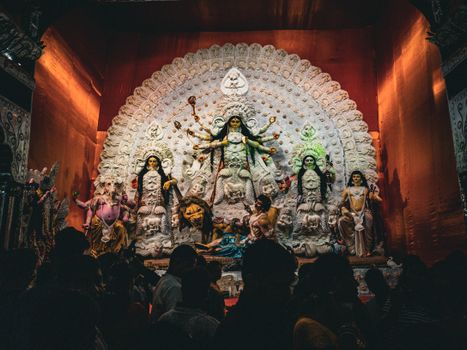
Durga Puja (West Bengal): A grand celebration of the Goddess Durga, this festival transforms Kolkata into a city of art and light. In 2022, over 3,000 artistic pandals (temporary temples) were erected across the city.
Rituals, Attire, and Cuisine: The Senses of Indian Festivals
Indian festivals are multisensory experiences, engaging sight, sound, smell, taste, and touch. Rituals vary widely, but often include prayer ceremonies (puja), processions, music and dance, and acts of charity. For example, during Durga Puja, elaborate rituals are performed each day, culminating in the immersion of the goddess’s idol in a river.
Attire plays a central role: women don vibrant sarees, lehengas, or region-specific dresses, while men wear kurta pajamas, dhotis, or sherwanis. During festivals like Navratri in Gujarat, thousands gather nightly to perform garba and dandiya dances in traditional attire.
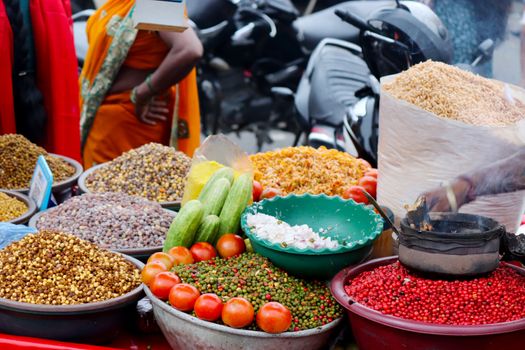
Food is integral to every celebration. During Diwali, kitchens across India churn out sweets like laddoos, barfi, and gujiya. Eid is synonymous with biryani and sheer khurma (a sweet milk pudding). Onam’s Sadya is a vegetarian feast served on banana leaves, featuring dishes like avial, sambar, and payasam.
Music and dance are ever-present. Folk performances, devotional songs, and classical dances such as Kathakali, Bharatanatyam, and Odissi enliven festival evenings. In Rajasthan, the Pushkar Camel Fair features folk music, puppet shows, and camel parades, attracting over 200,000 visitors annually.
Festivals and Social Harmony: Bridging Communities
Indian festivals are not just religious or regional affairs—they serve as powerful tools for social cohesion. Communities of different faiths often participate in each other’s celebrations, fostering mutual respect and understanding. For instance, in Mumbai and Hyderabad, Diwali and Eid are celebrated in mixed neighborhoods, with neighbors exchanging sweets and visiting each other’s homes.
Many festivals also serve charitable purposes. During Eid, zakat (charitable giving) is a core tenet, with millions of rupees distributed to the needy. In Sikhism, Gurpurabs are marked by langar (community kitchens) that feed thousands, irrespective of faith or background.
Government and civic organizations frequently organize public festivities and fairs, making these celebrations accessible to all. This inclusiveness is a key reason why, according to a 2022 Pew Research Center survey, 89% of Indians feel festivals promote inter-community harmony.
Experiencing Indian Festivals: Practical Tips for Visitors
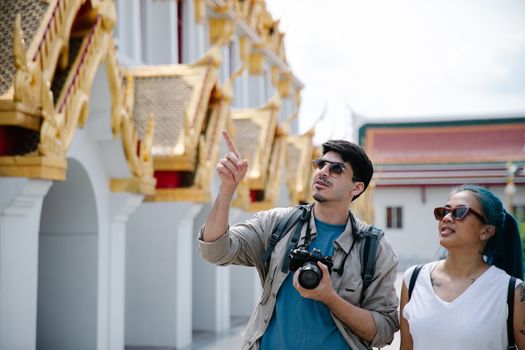
For travelers, experiencing an Indian festival is unforgettable—but some preparation goes a long way. Here are key tips:
1. Plan Ahead: Many festivals, especially major ones like Diwali or Holi, can cause transport and hotel prices to surge. Booking early is essential. 2. Respect Traditions: Dress modestly, especially when visiting temples or mosques. Observe local customs and always ask before joining rituals or taking photographs. 3. Safety: During Holi, use organic colors and protect your skin and eyes. During firework-heavy festivals like Diwali, be mindful of safety regulations. 4. Participate: Don’t be afraid to join in! Locals are often delighted to share their traditions, whether it’s learning a dance step or tasting a festive dish. 5. Local Variations: Each region offers a unique flavor. For example, Holi in Mathura is dramatically different from celebrations in Kolkata or Mumbai.Embracing the Spirit: Final Thoughts on Indian Traditional Festivals
Traditional festivals in India are much more than colorful spectacles—they are living traditions that unite a vast and diverse nation. Through rituals, food, music, and communal joy, these celebrations keep ancient stories alive while adapting to modern times. Whether you witness the fervor of Durga Puja in Kolkata, the exuberance of Holi in Vrindavan, or the serenity of Onam in Kerala, you’ll experience the true heart of India: vibrant, inclusive, and ever-celebratory.
If you’re planning a trip or simply want to better understand India’s cultural rhythms, timing your visit around a traditional festival can turn any journey into a lifelong memory. The colors, sounds, and warmth of Indian festivals await those ready to embrace them.