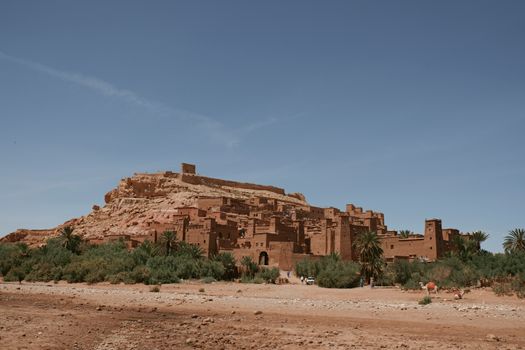
Traveling in Morocco is a sensory adventure that weaves together ancient history, vibrant culture, and dramatic landscapes. From the endless dunes of the Sahara Desert to serene Berber villages nestled in the Atlas Mountains, Morocco delivers a tapestry of experiences that are both exhilarating and deeply grounding. Whether you’re a first-time traveler seeking the thrill of camel treks or a seasoned explorer looking for authentic encounters in remote highland hamlets, Morocco offers a journey like no other. In this article, we share firsthand experiences and practical insights from traversing Morocco’s deserts, mountain villages, and everything in between.
Unforgettable Encounters in the Sahara Desert
The Sahara is Morocco’s most iconic natural wonder, stretching over 9 million square kilometers across North Africa. Entering the desert feels like stepping into another world where time slows, and the silence is profound. Many travelers begin their Saharan journey in Merzouga, a gateway town famous for its proximity to the towering Erg Chebbi dunes.
One of the most memorable experiences is a sunset camel trek into the dunes. Sitting atop a camel, swaying gently as the animal navigates the golden sands, you’ll witness the landscape transform as the sun dips below the horizon. The temperature can drop from 35°C (95°F) in the afternoon to just 10°C (50°F) at night, so packing layers is essential.
.png)
Spending a night in a traditional Berber desert camp is an experience not to be missed. These camps often feature woven rugs, low tables, and lanterns casting a gentle glow, creating an atmosphere that is both rustic and magical. Under a sky ablaze with stars—the Sahara is one of the best places in the world for stargazing—you’ll enjoy music, local cuisine, and stories shared by Berber hosts. According to Morocco’s Ministry of Tourism, over 500,000 travelers visit the Sahara annually, and 85% of them rate the desert camp experience as a highlight of their trip.
The Timeless Allure of Atlas Mountain Villages
While the Sahara’s expanse is mesmerizing, the Atlas Mountains offer a completely different perspective. The range stretches over 2,500 kilometers and shelters hundreds of indigenous Berber communities. Trekking through the High Atlas, you’ll encounter terraced fields, walnut groves, and stone villages that seem frozen in time.
One standout experience is hiking to the village of Imlil, the starting point for ascents of Mount Toubkal, North Africa’s highest peak at 4,167 meters (13,671 feet). The journey to Imlil passes through valleys dotted with cherry and almond trees, especially beautiful during the spring blossom. Local guesthouses, or "gîtes d’étape," provide a warm welcome to hikers, serving mint tea and hearty tagines after a day’s trek.
In the villages, you’ll witness daily life unfold: women baking bread in communal ovens, children herding goats, and artisans weaving rugs using centuries-old techniques. According to a 2023 study by the Moroccan Agency for Tourism Development, rural tourism in the Atlas has grown by 37% in the past five years, driven by travelers’ desire for authentic, immersive experiences.
Contrasting Life: Deserts vs. Mountain Villages
Morocco’s diverse geography means that a journey from the desert to the mountains is a journey through different worlds. The table below offers a comparative overview of what you can expect in each environment:
| Aspect | Sahara Desert | Atlas Mountain Villages |
|---|---|---|
| Climate | Hot days (up to 45°C/113°F), cold nights (down to 5°C/41°F) | Cooler, variable by altitude (10°C-25°C/50°F-77°F) |
| Landscape | Sand dunes, rocky plateaus | Terraced hills, lush valleys, snow-capped peaks |
| Activities | Camel trekking, stargazing, sandboarding | Hiking, village homestays, cultural immersion |
| Culture | Nomadic Berber tribes | Sedentary Berber communities |
| Wildlife | Desert foxes, fennec foxes, camels | Barbary sheep, eagles, mountain goats |
| Cuisine | Simple tagines, flatbreads | Tagines with mountain herbs, homemade cheeses |
This diversity is what makes Morocco so captivating. In one day, you can be riding camels across sand dunes and, just hours later, sipping tea by a mountain stream.
Market Days and Festivals: The Heartbeat of Rural Morocco
Beyond landscapes and architecture, Morocco’s rural life is best experienced during market days and local festivals. In mountain regions, weekly souks (markets) are more than places to buy goods—they are vibrant social gatherings where people from neighboring villages meet, exchange news, and celebrate.
For example, the souk in Tinerhir, near the Todra Gorge, draws hundreds of villagers every Monday. Here, you’ll find everything from handwoven blankets to fresh produce and medicinal herbs. The energy is infectious, with lively bargaining and colorful displays.
Seasonal festivals, such as the Imilchil Marriage Festival in the High Atlas, offer a rare glimpse into Berber traditions. This annual event, held each September, brings together hundreds of families for days of music, dance, and matchmaking rituals dating back centuries. According to local estimates, over 30,000 visitors attend the festival each year, making it one of Morocco’s most significant cultural gatherings.
Connecting with Berber Hospitality and Traditions
Morocco’s Berber communities, who make up roughly 40% of the population, are known for their legendary hospitality. In both desert and mountain settings, visitors are welcomed with open arms and endless glasses of sweet mint tea.
Staying with Berber families in mountain villages or desert camps is more than just accommodation—it’s an invitation to share in daily routines and learn about ancient customs. You might be invited to join in bread-making, help with the evening meal, or listen to folk tales around the fire.
Language can be a barrier—many Berbers speak Tamazight rather than Arabic or French—but warmth and generosity bridge the gap. A study by the World Tourism Organization found that 78% of travelers who stayed in local homes in Morocco rated the experience as “deeply enriching,” citing genuine cultural exchange as the highlight.
Practical Tips for Travelers Exploring Morocco’s Wild Places
Traveling from Morocco’s deserts to its mountain villages requires some planning, but the rewards are immense. Here are a few practical tips based on firsthand experience:
1. $1 Minibuses and 4x4 vehicles are the most common ways to travel between the desert and mountains. Public transport exists but is often slow and infrequent in remote areas. 2. $1 Spring (March-May) and autumn (September-November) offer the most pleasant weather for both desert and mountain travel. Summer can be extremely hot in the Sahara and winter brings snow to higher elevations. 3. $1 Always drink bottled or purified water, and be cautious with street food in remote areas. Medical facilities can be limited, so bring a basic first aid kit. 4. $1 Support local economies by staying in family-run guesthouses and buying handicrafts directly from artisans. Avoid riding animals that appear malnourished or overworked. 5. $1 Bring layers for fluctuating temperatures, sturdy footwear for trekking, and sun protection. A phrasebook or translation app can enhance your interactions with locals.Final Reflections on Traveling Through Morocco’s Deserts and Mountains
Traveling across Morocco, from its sun-baked deserts to its cool mountain retreats, is a journey of contrasts and connections. The vastness of the Sahara instills a sense of awe, while the warmth of Berber hospitality in the mountains offers comfort and kinship. The beauty of Morocco lies not just in its landscapes but in the stories, traditions, and everyday moments shared with its people.
Whether you’re sleeping under Saharan stars or sharing a meal in a mountain home, Morocco rewards the curious traveler with memories that last a lifetime. By venturing beyond the tourist hotspots and embracing authentic experiences, you’ll discover a Morocco that’s richer, more welcoming, and infinitely more fascinating than you ever imagined.