Planning a journey to Australia is an adventure in itself. With its sprawling landscapes, unique wildlife, vibrant cities, and diverse cultures, the “Land Down Under” offers experiences unlike anywhere else on earth. But before you set off to explore the Great Barrier Reef, trek through the Outback, or discover cosmopolitan Sydney, it’s crucial to prepare thoughtfully. From understanding visa requirements to packing for Australia’s ever-changing climate, smart preparation ensures your trip is memorable for all the right reasons. This guide dives into practical tips and intriguing facts, helping you get ready for an unforgettable Australian adventure—whether you’re a solo traveler, family, or group of friends.
Understanding Australia’s Size and Distances: Plan Your Itinerary Wisely
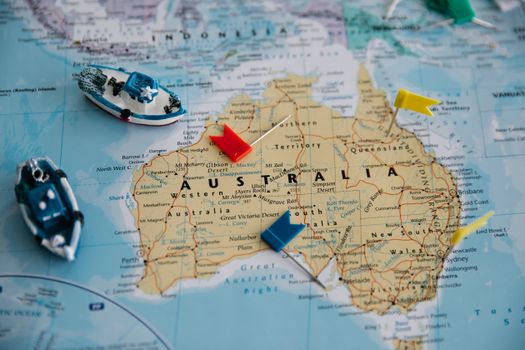
Australia is the world’s sixth-largest country, covering roughly 7.7 million square kilometers. To put this into perspective, traveling from Sydney (east coast) to Perth (west coast) is a journey of about 3,290 kilometers—roughly the same distance as New York to Los Angeles. Many first-time visitors underestimate the sheer scale of the country. For example, a direct flight from Melbourne to Cairns takes around 3.5 hours.
Public transport between cities is limited, so domestic flights are often the most practical way to cover long distances. According to the Australian Bureau of Statistics, more than 28 million domestic airline passengers traveled within Australia in 2023 alone—a testament to the need for air travel over vast stretches.
.png)
Plan your itinerary around key regions or states to reduce travel time. Popular routes include:
- Sydney, Melbourne, and the Great Ocean Road (southeast) - Brisbane, Gold Coast, and the Whitsunday Islands (northeast) - Darwin and Kakadu National Park (north) - Perth and Margaret River (west) - Tasmania (south)Notably, driving across Australia is an epic, but time-consuming, undertaking. For example, the drive from Adelaide to Darwin covers nearly 3,000 kilometers and takes about 30 hours non-stop.
Essential Travel Documents and Entry Requirements
Australia has strict entry requirements, and all visitors—except New Zealand citizens—need a valid visa before arrival. There are several visa types, but the most common for tourists and short-term visitors are:
- Electronic Travel Authority (ETA, subclass 601) - eVisitor visa (subclass 651) - Visitor visa (subclass 600)Each visa has specific eligibility criteria and application processes. The ETA and eVisitor visas can typically be obtained online and are processed quickly, but always check the official Australian Government Department of Home Affairs website for the latest information.
You’ll also need:
- A passport valid for at least six months beyond your intended stay. - Proof of onward travel or return ticket. - Evidence of sufficient funds for your trip (bank statements or credit cards).Australia is strict about biosecurity. Upon entry, you must declare any food, animal, or plant products. Failure to declare can result in hefty fines—over AUD 2,664 in some cases. Australia’s customs officers are known for their thoroughness, so err on the side of caution.
Packing Smart: Weather, Wildlife, and Local Conditions
Australia’s climate varies dramatically from tropical rainforests in the north to temperate zones in the south and arid Outback in the center. The country’s seasons are opposite those in the Northern Hemisphere—summer is December to February, and winter is June to August.
Here’s a quick comparison of average temperatures in major cities during summer and winter:
| City | Avg. Summer Temp (°C) | Avg. Winter Temp (°C) |
|---|---|---|
| Sydney | 22-26 | 8-17 |
| Cairns | 24-32 | 17-26 |
| Melbourne | 14-25 | 6-14 |
| Perth | 18-31 | 8-19 |
| Hobart | 12-22 | 4-12 |
Pack for versatility and comfort. Essentials include:
- Lightweight, breathable clothing for hot or humid areas (especially northern Australia) - A warm jacket for southern regions or Outback nights, which can be surprisingly cold - Rain gear if visiting tropical Queensland or the Northern Territory during the wet season (November to April) - Sun protection: sunscreen (SPF 50+), a wide-brimmed hat, and sunglasses. Australia’s UV index is among the highest in the world, and skin cancer rates are correspondingly high—over 2 in 3 Australians will be diagnosed with skin cancer by age 70. - Sturdy shoes for bushwalking or city exploration - Swimsuit for beaches and pools - Insect repellent for mosquitoes, especially in northern areasBring electrical adaptors (Type I, 230V, 50Hz) for your devices, as Australian sockets may differ from those in your home country.
Health, Safety, and Practical Know-How
Australia is generally a very safe country for travelers, ranking 13th on the 2023 Global Peace Index. However, there are some unique considerations:
- Medical Care: Australia has world-class healthcare, but non-residents may face high out-of-pocket costs. Comprehensive travel insurance is essential. In 2022, the average cost of an emergency room visit for an uninsured foreigner was over AUD 500. - Emergency Services: Dial 000 for police, fire, or ambulance. - Wildlife: While stories of dangerous animals abound, serious incidents are rare. Be aware of jellyfish (box jellyfish and Irukandji) in northern waters from November to May. At beaches, always swim between the red and yellow flags, where lifeguards are present—Australian surf can be powerful and unpredictable. - Tap Water: Safe to drink in all major cities and most towns. - Smoking: Banned in most indoor public spaces and some outdoor areas. Australia’s cigarette prices are among the world’s highest (over AUD 40 per pack in 2024). - Driving: Australians drive on the left. International licenses (in English) are accepted, but check requirements for your rental car provider.For those venturing into remote areas, always inform someone of your plans, carry plenty of water, and consider a satellite phone or personal locator beacon.
Money Matters: Currency, Payment, and Tipping Customs
Australia uses the Australian Dollar (AUD). Credit and debit cards are widely accepted, and contactless payments (like Apple Pay and Google Pay) are the norm—even at small cafes or markets. ATMs are readily available in urban areas.
Some practical points:
- Currency exchange rates vary, but as of early 2024, 1 AUD equals approximately 0.65 USD or 0.60 EUR. - Tipping is not mandatory in Australia. It’s appreciated for excellent service, but locals generally round up or leave 5-10% at restaurants. Service staff are paid a living wage, so tips are not expected as they are in the US. - Sales tax (GST, 10%) is included in the advertised price. - For purchases over AUD 300 from a single retailer, overseas visitors may claim a GST refund at the airport when departing Australia through the Tourist Refund Scheme (TRS).Unique Australian Experiences: Go Beyond the Ordinary
Australia’s charm lies in its blend of natural wonders and vibrant, multicultural cities. While world-class icons like the Sydney Opera House or Uluru are must-sees, don’t miss these unique experiences:
- Aboriginal Culture: Australia’s Indigenous peoples have the world’s oldest continuous culture, dating back at least 65,000 years. Take part in a guided walk in Kakadu or Arnhem Land, try dot painting workshops, or attend a cultural festival. - Food and Wine: Sample fresh seafood in Tasmania, taste award-winning wines in Barossa Valley, or indulge in multicultural flavors at Melbourne’s Queen Victoria Market. Australia boasts over 2,400 wineries and exports more than AUD 2 billion in wine annually. - Wildlife Encounters: Spot wild kangaroos at dusk, cuddle a koala in Queensland’s sanctuaries, or snorkel with whale sharks at Ningaloo Reef. - Local Festivals: From Sydney’s Vivid light festival to Darwin’s Mindil Beach Sunset Markets, Australia’s events calendar is packed. - Off the Beaten Path: Explore Kangaroo Island’s rugged coast, hike the Larapinta Trail near Alice Springs, or discover the pristine beaches of Western Australia’s Coral Coast.Final Thoughts for a Successful Australian Adventure
Preparing for a trip to Australia goes far beyond booking flights and hotels. The country’s vast distances, strict entry rules, diverse climate, and unique culture all demand careful planning. By understanding the practicalities—from visa regulations to packing smart and budgeting for local expenses—you set yourself up for a smooth, enriching journey. Embrace Australia’s multicultural spirit, respect its natural wonders, and dive into local experiences that go beyond the guidebooks. With preparation and curiosity, your adventure Down Under will be filled with unforgettable memories.