New Zealand is a land where ancient legends breathe alongside cinematic fantasy. Known to the indigenous Maori as Aotearoa, the “Land of the Long White Cloud,” New Zealand captivates with a tapestry of natural wonders, rich cultural traditions, and a modern identity forever entwined with the epic landscapes of Middle Earth. From geothermal marvels to Maori haka, from Tolkien’s stunning backdrops to cutting-edge conservation, the magic of New Zealand lies in its seamless blending of myth, heritage, and world-class adventure. Let’s journey through the marvels that make New Zealand a singular destination where the past and fantasy come vividly to life.
The Living Legacy of Maori Culture
Long before European explorers arrived in the 17th century, the Maori people had called New Zealand home for over 700 years. Today, nearly 850,000 people—approximately 17% of New Zealand’s population—identify as Maori, ensuring that their traditions form a living, evolving part of national identity.
Visitors can experience the Maori world through art, language, and ceremony. The traditional greeting, hongi, involves pressing noses—a symbol of sharing breath and life. The haka, a fierce dance made globally famous by the All Blacks rugby team, expresses unity, respect, and ancestral pride. Marae (communal meeting grounds) throughout the country welcome guests to participate in powhiri (welcoming ceremonies) and enjoy hangi feasts, where food is cooked in earth ovens.
.png)
The Maori language, Te Reo, is one of three official languages in New Zealand. Place names across the islands—like Rotorua (meaning “second lake”) and Whanganui (“big harbor”)—reflect this heritage. The Waitangi Treaty Grounds, where the 1840 pact between Maori chiefs and the British Crown was signed, remain a powerful site for understanding the complex journey of bicultural nationhood.
Middle Earth Brought to Life: New Zealand on the Silver Screen
For many around the world, New Zealand is synonymous with the awe-inspiring landscapes of Peter Jackson’s “The Lord of the Rings” and “The Hobbit” trilogies. Filmed entirely on location, these cinematic masterpieces transformed New Zealand into Middle Earth, drawing millions of fans to its dramatic mountains, lush forests, and rolling plains.
Over 150 locations were used across both the North and South Islands. The green pastures of Matamata became Hobbiton, complete with its iconic round doors and party tree. The volcanic slopes of Mt. Ngauruhoe doubled as Mount Doom, while the misty fjords of Fiordland provided the backdrop for Fangorn Forest. Since the first film’s release in 2001, tourism has soared: by 2019, an estimated 18% of all international visitors cited “The Lord of the Rings” as a reason for their trip.
Movie tourism has become a significant economic driver. The Hobbiton Movie Set alone now welcomes over 500,000 visitors annually. Guided tours reveal behind-the-scenes secrets, and fans can even enjoy a pint in the Green Dragon Inn. New Zealand’s film industry continues to thrive, with Weta Workshop in Wellington earning global acclaim for its special effects and prop-making.
Natural Wonders: From Geothermal Marvels to Pristine Wilderness
New Zealand’s geography is as diverse as it is breathtaking. The country is split into the North and South Islands, each offering unique natural spectacles.
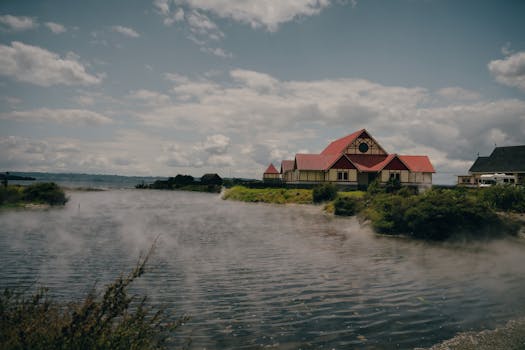
In the North Island, the geothermal region of Rotorua mesmerizes with bubbling mud pools, steaming vents, and the vivid colors of the Champagne Pool. Here, visitors can soak in natural hot springs or witness the explosive power of geysers like Pohutu, which erupts up to 20 times a day.
The South Island is famed for its alpine peaks, glacial lakes, and deep fjords. Aoraki / Mount Cook, New Zealand’s highest mountain at 3,724 meters, towers above an expanse of turquoise lakes. The Franz Josef and Fox Glaciers, among the most accessible in the world, allow adventurous travelers to hike, heli-tour, or even ice-climb. Milford Sound, often called the “eighth wonder of the world,” dazzles with its sheer cliffs, cascading waterfalls, and resident dolphins and seals.
New Zealand is also a global leader in conservation. Nearly one-third of the land is protected as national parks or reserves. The Department of Conservation manages over 13,000 kilometers of tracks, including the legendary Great Walks like the Tongariro Alpine Crossing and the Routeburn Track.
Maori Myth and the Spiritual Landscape
For the Maori, the land is alive with the spirits of ancestors and gods. Mountains, rivers, and forests are not just physical features but sacred beings with stories to tell. According to legend, the North Island is the fish of Maui—a demigod who hauled it from the sea—while the South Island forms the canoe from which he fished.
Many of New Zealand’s natural features are linked to powerful myths. Lake Taupo, the country’s largest lake, was created by a massive volcanic eruption believed to be the work of the fire goddess Mahuika. The Whanganui River, recognized in 2017 as a legal person under New Zealand law, is regarded as an ancestor by local iwi (tribes).
Modern initiatives to honor these connections are unique in the world. The Whanganui River settlement set a global precedent for environmental personhood. This move reflects both Maori worldview and a growing recognition of indigenous rights, blending ancient spiritual respect with contemporary conservation.
Comparing North and South: A Tale of Two Islands
New Zealand’s two main islands offer distinct experiences, both culturally and environmentally. The table below highlights some of the key differences:
| Feature | North Island | South Island |
|---|---|---|
| Population (2023) | ~3.9 million | ~1.2 million |
| Main Cities | Auckland, Wellington, Hamilton | Christchurch, Dunedin, Queenstown |
| Maori Population (%) | Over 19% | About 11% |
| Geography | Volcanic plateaus, geothermal activity, rolling farmland | Alpine mountains, glaciers, fjords, rugged coastline |
| Iconic Attractions | Rotorua, Hobbiton, Bay of Islands | Milford Sound, Aoraki/Mount Cook, Franz Josef Glacier |
| Climate | Subtropical in the north, mild elsewhere | Cooler, temperate, more extreme in alpine areas |
This diversity allows travelers to experience everything from sunny beaches and ancient forests in the north to snow-capped peaks and adventure sports in the south—all within a few hours’ flight.
Adventure and Innovation: A Modern Kiwi Spirit
New Zealanders, or Kiwis, are renowned for their adventurous spirit and inventive thinking. This is the land where bungee jumping was commercialized at Queenstown’s Kawarau Bridge in 1988, launching a global thrill-seeking craze. Today, Queenstown bills itself as the “Adventure Capital of the World,” offering everything from skydiving and jet boating to mountain biking and paragliding.
But New Zealand’s innovation extends far beyond adrenaline sports. The country is a pioneer in environmental protection, being one of the first to declare itself nuclear-free in 1987 and to grant personhood to natural entities. Auckland consistently ranks among the world’s most livable cities, and Wellington is celebrated for its vibrant arts and café scene.
The nation’s agricultural sector is a global leader, exporting over $40 billion NZD in food and beverages annually. Meanwhile, its tech industry has seen rapid growth, with startups like Rocket Lab launching satellites into orbit.
The Enduring Magic of Aotearoa
New Zealand’s allure is more than the sum of its landscapes and legends. It is a place where ancient Maori wisdom and contemporary creativity coexist, where the spirit of Middle Earth infuses everyday reality, and where nature is not just a backdrop but an active, sacred presence. Whether you’re tracing the footsteps of Frodo, savoring a hangi feast, or standing in awe beneath the Southern Cross, the magic of New Zealand is an invitation to experience wonder, connection, and renewal.