A Dive into Greek Mythology: The Stories That Shape a Culture
Greek mythology is more than a collection of ancient tales; it is a cultural cornerstone, influencing art, literature, philosophy, and modern thought. The stories of gods, heroes, and monsters have traveled across centuries, shaping not only the identity of Greece but also the broader Western imagination. This exploration delves deep into the heart of Greek mythology, examining its origins, key figures, enduring themes, and the profound ways in which these myths continue to shape culture today.
The Origins and Purpose of Greek Myths
Greek mythology emerged from a complex tapestry of oral traditions, religious beliefs, and local legends. The earliest myths were passed down by word of mouth, long before they were recorded by poets like Homer and Hesiod in the 8th century BCE. These stories served several critical purposes in ancient Greek society:
- Explaining the natural world: Myths gave reasons for everything from thunderstorms (the anger of Zeus) to the changing seasons (the grief of Demeter). - Instilling values: The tales offered moral lessons, warning against hubris and extolling virtues like courage and hospitality. - Fostering unity: Shared stories knit together the myriad city-states of ancient Greece, creating a common cultural identity.Archaeological evidence suggests that some mythological figures, like the goddess Athena, were worshipped as early as the Mycenaean era (1600–1100 BCE). Over time, these stories intertwined with real historical events and local customs, creating a rich narrative tapestry that still fascinates scholars and the public alike.
.png)
Meet the Pantheon: Gods, Goddesses, and Their Roles
Central to Greek mythology is the pantheon of gods and goddesses who inhabit Mount Olympus. These deities reflect human traits and emotions, making their stories relatable and enduring. Some of the best-known Olympians include:
- Zeus, the king of the gods, who wields thunderbolts and maintains order. - Hera, goddess of marriage, known for her jealousies and regal bearing. - Athena, goddess of wisdom and war, born fully armored from Zeus’s head. - Apollo, god of the sun, prophecy, and the arts. - Artemis, goddess of the hunt and protector of women. - Poseidon, lord of the seas, whose wrath could shake the earth.The gods were not distant, all-powerful beings. Instead, they meddled in human affairs, had rivalries and love affairs, and could be both benevolent and vengeful. This complex characterization allowed ancient Greeks to see themselves reflected in their deities, making the myths both entertaining and instructive.
The following table gives a comparative overview of key Olympian deities and their domains:
| Deity | Domain | Symbol | Famous Myth |
|---|---|---|---|
| Zeus | Sky, Thunder, Justice | Thunderbolt, Eagle | Defeats Cronus to become king |
| Hera | Marriage, Family | Peacock, Diadem | Persecution of Heracles |
| Athena | Wisdom, War, Craft | Owl, Olive Tree | Birth from Zeus’s head |
| Apollo | Sun, Music, Prophecy | Lyre, Laurel | Slaying Python at Delphi |
| Poseidon | Sea, Earthquakes | Trident, Horse | Contest for Athens |
Heroes and Their Quests: Human Aspirations Embodied
While the gods dominated the heavens, mortals—often with divine ancestry—starred in some of Greek mythology’s most gripping tales. These heroes embarked on epic quests, confronted terrifying monsters, and faced moral dilemmas that resonate to this day.
Heracles (Hercules), perhaps the most famous hero, completed twelve impossible labors as punishment and atonement. His feats—slaying the Nemean Lion, capturing the Golden Hind, cleaning the Augean stables—have inspired countless works of art and literature.
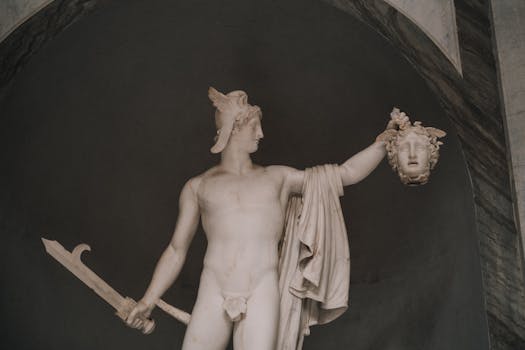
Perseus is celebrated for beheading Medusa, the snake-haired Gorgon, and rescuing Andromeda from a sea monster. His story demonstrates the value of cunning and divine favor.
Odysseus, the protagonist of Homer’s Odyssey, endured a decade-long journey home from the Trojan War. Confronting cyclopes, sirens, and vengeful gods, Odysseus’s trials highlight human ingenuity and perseverance.
These heroes’ stories not only entertained but also set ideals for bravery, intelligence, and resilience. The themes of fate, free will, and the consequences of pride—known as hubris—are central threads running through their adventures.
Timeless Themes: Lessons from the Myths
Greek myths are not merely fantastic tales; they encapsulate universal themes that continue to resonate today. Some of the most prominent include:
- Hubris and Nemesis: Many myths warn against excessive pride. Characters like Icarus, who flew too close to the sun, and King Oedipus, who tried to outwit fate, demonstrate the dangers of overreaching ambition. - Fate and Free Will: The Greeks believed in Moirae, the Fates, who spun the destinies of gods and men alike. Yet heroes often struggle to assert their own agency, leading to profound debates about human autonomy. - The Hero’s Journey: Joseph Campbell, a 20th-century scholar, identified the “monomyth” or hero’s journey as a structure found in myths worldwide. Greek stories like the Odyssey exemplify this pattern of departure, ordeal, and return. - Transformation and Redemption: From Narcissus’s metamorphosis into a flower to Demeter’s journey through grief and renewal, myths explore how suffering leads to change and growth.These timeless lessons explain why Greek myths are still taught in schools, referenced in popular culture, and reimagined by modern authors and filmmakers.
The Cultural Impact of Greek Mythology
The influence of Greek mythology stretches far beyond the borders of Greece. Here are some striking statistics and examples:
- Over 4,000 works of classical art found in European museums depict scenes from Greek myths, demonstrating their pervasive influence on Western art. - The Olympic Games, revived in Athens in 1896 and now a global event, are rooted in ancient Greek religious festivals honoring Zeus. - Modern language is filled with mythological references: the term “Achilles’ heel” denotes a fatal weakness, while “Pandora’s box” refers to unleashing trouble. - Nobel-winning authors like Albert Camus and T.S. Eliot have drawn on Greek mythological themes in their works. - In 2023 alone, over 50 new books for children and adults based on Greek mythology were published in the English language, highlighting sustained public interest.Greek myths have shaped architectural motifs (such as the use of columns referencing temples to the gods), city names (like Athens, named for Athena), psychology (the “Oedipus complex”), and even the naming of celestial bodies—Jupiter’s moons are named after Zeus’s lovers and children.
Greek Mythology in the Modern World
Today, Greek mythology enjoys renewed popularity. Films like Disney’s “Hercules” and books like Rick Riordan’s “Percy Jackson” series introduce these stories to new generations, often with modern twists. Video games, television series, and even advertising campaigns draw on the enduring appeal of gods, monsters, and heroes.
Academic research into Greek mythology remains robust. In 2022, over 1,200 articles and books on Greek myth were published globally, spanning fields from comparative literature to psychology. Universities across the world offer courses on classical mythology, emphasizing its relevance to issues such as gender, power, and morality.
In Greece, traditional festivals like the annual “Prometheia” at Mount Olympus keep the stories alive through theatrical performances and ceremonies. Museums and archaeological sites, from the Acropolis Museum in Athens to the ruins of Delphi, attract millions of visitors each year, eager to connect with the mythic past.
Final Reflections: The Enduring Power of Greek Myths
Greek mythology is more than a relic of ancient storytelling. It is a living tradition, interwoven with the fabric of Western culture and human imagination. The gods and heroes of old continue to inspire, challenge, and delight us. Whether in the pages of a classic text, the halls of a museum, or the silver screen, these stories remind us of our shared quest for meaning, identity, and transcendence.
Their lessons—about courage, humility, love, and fate—remain as relevant now as they were thousands of years ago. Through their enduring power, Greek myths continue to shape not only a culture but the very way we understand ourselves.