Traveling in South Korea: From Modern Architecture to Traditional Palaces
South Korea is a country where the past and present harmoniously coexist. From the gleaming skyscrapers of Seoul to the tranquil courtyards of ancient palaces, visitors are treated to a unique journey that spans centuries of history and innovation. Whether you’re captivated by futuristic cityscapes or longing to walk in the footsteps of kings, South Korea promises an unforgettable travel experience. In this article, we'll take you beyond the typical tourist paths, delving into the nation’s remarkable blend of modern architecture and traditional palatial heritage, showcasing how these worlds interconnect and define Korean identity.
Modern Architectural Marvels: South Korea’s Urban Renaissance
Over the last few decades, South Korea has transformed its urban landscape, emerging as a global leader in modern architecture. Nowhere is this more apparent than in Seoul, a city of over 9.7 million inhabitants as of 2023. The capital’s skyline is a testament to the country’s rapid economic growth and creative ambition.
A standout example is the Dongdaemun Design Plaza (DDP), designed by the late Zaha Hadid. Opened in 2014, the DDP features sweeping curves and futuristic lines, making it one of Asia’s most photographed buildings. The structure hosts international exhibitions, fashion shows, and art installations, reflecting Korea’s dynamic creative industries.
.png)
Another iconic structure is the Lotte World Tower, which, at 555 meters, is the fifth tallest building in the world as of 2024. Its observation deck offers panoramic views of Seoul, and the tower houses everything from luxury hotels to an aquarium. These feats of engineering are not just eye-catching; they symbolize South Korea’s forward-thinking spirit and technological prowess.
Incheon’s Songdo International Business District, built on reclaimed land, is another modern marvel. This “smart city” integrates cutting-edge eco-friendly technologies, automated waste collection, and extensive green spaces. Songdo is often cited as one of the most sustainable cities globally, representing South Korea's commitment to urban innovation and environmental consciousness.
Traditional Palaces: Gateways to Korea’s Royal Heritage
While the cities pulse with modern energy, South Korea’s traditional palaces provide a window into the country’s regal past. Five grand palaces dot the heart of Seoul, each telling a story of dynastic splendor and resilience.
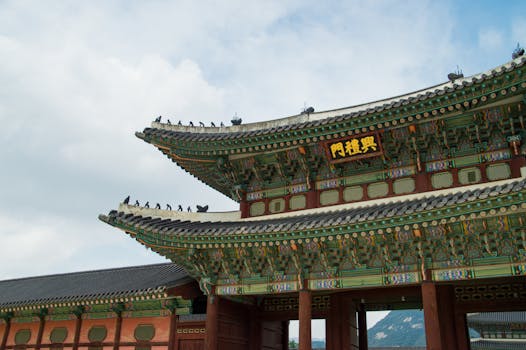
Gyeongbokgung Palace, built in 1395 during the Joseon Dynasty, is often regarded as the crown jewel. Once the main royal residence, it features over 7,700 rooms and expansive gardens. Despite destruction during the Japanese occupation, meticulous restoration efforts have revived Gyeongbokgung’s former glory. The daily changing of the guard ceremony attracts thousands of visitors annually, offering a vivid glimpse into royal ritual.
Changdeokgung Palace, designated as a UNESCO World Heritage Site, is renowned for its harmonious integration with nature. The Secret Garden (Huwon), which covers 78 acres, was designed for peace and contemplation, reflecting Confucian values. Over 1.3 million tourists explored Changdeokgung in 2022, drawn by its timeless beauty.
These palaces are not merely static relics; they host cultural performances, traditional tea ceremonies, and hanbok (traditional dress) experiences. Visitors can walk cobbled paths once traveled by Joseon kings and queens, connecting with centuries of Korean history.
Contrasts and Connections: Where Old Meets New
What makes traveling in South Korea truly remarkable is the seamless interplay between modernity and tradition. Nowhere is this more evident than in Seoul, where glass towers rise beside centuries-old palaces, and neon-lit streets lead to tranquil hanok (traditional house) villages.
Take Bukchon Hanok Village, nestled between Gyeongbokgung and Changdeokgung. Here, over 900 meticulously preserved hanok provide a living museum of traditional architecture. Yet just a short walk away, you’ll find trendy cafes and art galleries, illustrating the fusion of past and present.
The Cheonggyecheon Stream, once a neglected waterway, was restored in 2005 as an urban renewal project. This 11-kilometer stretch now winds through downtown Seoul, flanked by gleaming office towers and historic bridges. It’s a favorite spot for both locals and visitors, symbolizing Seoul’s efforts to blend heritage with innovation.
To help visualize the contrasts and connections, see the table below:
| Modern Landmark | Traditional Site | Location | Year Established | Main Feature |
|---|---|---|---|---|
| Lotte World Tower | Gyeongbokgung Palace | Seoul | 2017 / 1395 | Sky Deck / Royal Throne Hall |
| Dongdaemun Design Plaza | Bukchon Hanok Village | Seoul | 2014 / 14th Century | Futuristic Architecture / Traditional Homes |
| Songdo Smart City | Changdeokgung Palace | Incheon / Seoul | 2009 / 1405 | Eco-friendly Innovations / Secret Garden |
Experiencing the Best of Both Worlds: Unique Traveler Activities
South Korea invites visitors to engage with both its cutting-edge present and storied past through immersive activities. Modern art lovers can attend the annual Seoul Biennale of Architecture and Urbanism, which attracts over 200,000 attendees from around the world. The National Museum of Modern and Contemporary Art (MMCA), with four locations nationwide, showcases the country’s creative evolution.
For a taste of royal life, travelers can rent a hanbok and explore Seoul’s palaces. It’s not just about costumes—wearing hanbok grants free entry to major palaces, encouraging deeper cultural engagement. In 2023, over 500,000 visitors participated in hanbok experiences, according to the Korea Tourism Organization.
Nighttime palace tours are another must-try, offering atmospheric lighting and traditional music performances. Gyeongbokgung’s Moonlight Tour, held each spring and autumn, sells out within hours and is limited to 100 attendees per night for an intimate experience.
Foodies can savor both old and new culinary traditions. Try temple cuisine in Insadong, inspired by centuries-old Buddhist practices, or sample futuristic fusion dishes in Gangnam’s high-rise restaurants. South Korea’s Michelin Guide now lists over 170 restaurants, reflecting the country’s diverse gastronomic landscape.
Beyond Seoul: Modern and Traditional Landscapes Across Korea
While Seoul is the epicenter of architectural contrasts, the rest of South Korea boasts its own blend of past and present. In Busan, the country’s second-largest city, the Busan Cinema Center stands as a striking example of modern design, hosting the annual Busan International Film Festival—Asia’s largest, drawing over 190,000 film lovers in 2023.
Just a short train ride away lies Gyeongju, the ancient capital of the Silla Kingdom (57 BC–935 AD). Known as “the museum without walls,” Gyeongju is home to Bulguksa Temple (a UNESCO World Heritage Site) and the Cheomseongdae Observatory, Asia’s oldest surviving astronomical observatory dating back to the 7th century.
In Jeonju, visitors can explore one of Korea’s best-preserved hanok villages, with over 800 traditional houses. The city also pioneers green technology, with eco-friendly public transport and smart city initiatives.
Even Jeju Island, famous for its volcanic landscapes, blends modern art museums like the O’sulloc Tea Museum with ancient stone statues (dol hareubang) and the UNESCO-listed Seongsan Ilchulbong crater.
Why South Korea’s Architectural Duality Matters for Travelers
South Korea’s ability to preserve its heritage while embracing innovation has global significance. In 2022, the country welcomed over 11 million international visitors—an impressive rebound after the pandemic. According to the World Economic Forum, Seoul ranks among the top 10 cities worldwide for digital connectivity and urban livability.
Yet it’s the human stories behind the buildings that make South Korea special. The architects reimagining skylines, the craftspeople restoring palace eaves, and the chefs merging centuries-old flavors with contemporary flair—all contribute to a living culture that invites exploration and dialogue.
For travelers, this means every journey through South Korea is layered with discovery. You might begin your day sipping artisan coffee in a glass-walled café, wander through ancient palace gates by afternoon, and end with a sunset view from a skyscraper’s observation deck. The country’s contrasts are not contradictions—they are invitations to experience a spectrum of history, creativity, and aspiration.