India: A Fusion of Ancient Traditions and Modern Innovation
India is a land of striking contrasts and seamless blends, a country where the echoes of ancient chants coexist with the hum of digital technology. With a civilization that dates back over 5,000 years, India is renowned for its rich heritage, spiritual wisdom, and time-honored customs. Yet, it is also emerging as a global leader in technology, entrepreneurship, and scientific research. This unique fusion of ancient traditions and modern innovation has shaped India into a nation that honors its past while embracing the future. In this article, we will explore how India’s deep-rooted traditions and cutting-edge advancements intertwine, creating an inspiring narrative of continuity and change.
Ancient Heritage: The Foundation of Indian Identity
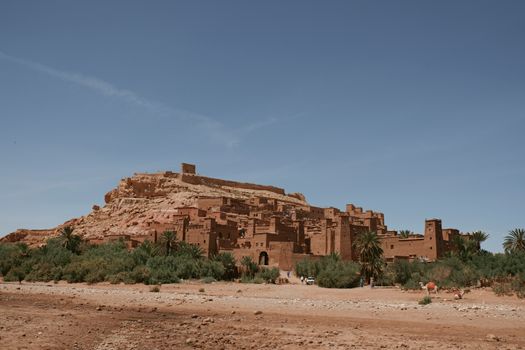
India’s cultural legacy is among the oldest in the world. The Indus Valley Civilization, which flourished around 2500 BCE, is regarded as one of humanity’s earliest urban cultures. From the sacred texts of the Vedas to the architectural marvels of temples and forts, India’s history is etched into every aspect of its society.
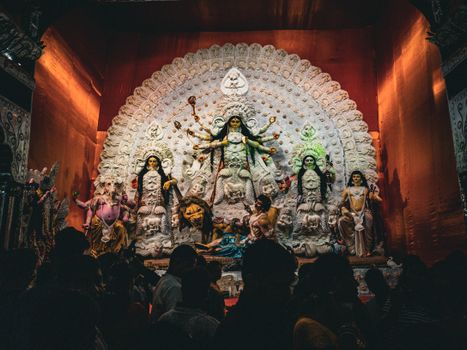
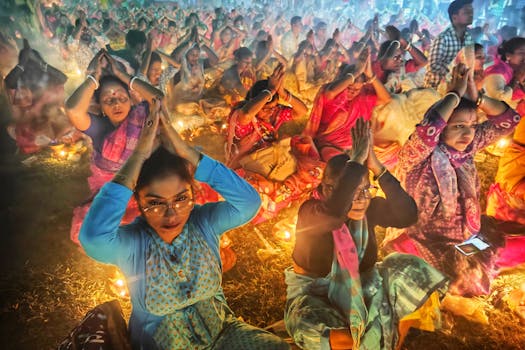
Yoga, for example, originated in India over 2,000 years ago and is now a global phenomenon, practiced by over 300 million people worldwide. Ayurveda, a holistic healing system developed thousands of years ago, continues to influence wellness and medicine, both within India and internationally. Indian festivals such as Diwali, Holi, and Eid are celebrated with unparalleled vigor, attracting millions of domestic and international tourists each year.
.png)
The country’s traditional arts, including classical dance forms like Bharatanatyam and Kathak, and crafts such as Madhubani painting and handloom weaving, are not just preserved but actively promoted through government initiatives and private patronage. According to the Ministry of Textiles, India’s handloom sector provides employment to over 4.3 million people, highlighting the enduring importance of traditional skills.
Science, Technology, and the Rise of a Digital Powerhouse
While India’s roots run deep, its aspirations reach for the stars—quite literally. In 2014, the Indian Space Research Organisation (ISRO) became the first Asian agency to reach Mars orbit, and it did so at a cost of just $74 million, a fraction of similar missions by other countries. In 2023, India joined the elite club of nations to land a spacecraft on the moon’s south pole.
India’s digital revolution is equally remarkable. With over 850 million internet users as of 2024, India is the second-largest online market in the world. The government’s Digital India campaign, launched in 2015, has rapidly expanded internet connectivity, digital literacy, and access to e-governance services, transforming daily life in urban and rural areas alike.
The country is also a global IT hub, with cities like Bengaluru dubbed the “Silicon Valley of India.” The Indian IT and business process management sector generated $245 billion in revenue in 2023, according to NASSCOM, and employs over 5 million people. Indian startups have made significant strides as well, producing over 100 unicorns (startups valued at $1 billion or more) by 2023.
Education and Knowledge: Bridging Ancient Wisdom and Modern Learning
India’s reverence for knowledge traces back to ancient times when centers like Takshashila and Nalanda attracted scholars from across Asia. Today, the country’s education system is vast and diverse, serving more than 250 million students in schools and 40 million in higher education institutions.
Modern India has invested heavily in science and technology education. The Indian Institutes of Technology (IITs) and Indian Institutes of Management (IIMs) are globally recognized for their academic excellence, consistently ranking among the world’s top universities. In 2022, IIT Bombay was ranked 172nd in the QS World University Rankings.
Traditional knowledge systems, however, are not sidelined. Sanskrit, the ancient language of the Vedas, is taught in thousands of schools, and there is renewed interest in subjects such as Indian philosophy, classical literature, and indigenous sciences like Ayurveda and astronomy. Several universities now offer degrees in Vedic studies, and organizations like the Rashtriya Sanskrit Sansthan promote research and preservation of ancient Indian knowledge.
Society, Diversity, and Changing Lifestyles
India’s social fabric is incredibly diverse, comprising over 2,000 distinct ethnic groups and more than 1,600 languages. This diversity is both a source of strength and a catalyst for innovation.
Traditional Indian family structures, once predominantly joint and extended, are evolving in response to urbanization and economic changes. According to the 2011 Census, nuclear families accounted for 70% of households in urban areas. However, respect for elders, strong community ties, and emphasis on hospitality remain deeply ingrained.
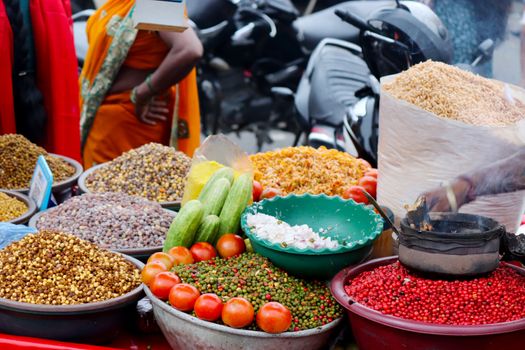
Modern lifestyles have brought changes in fashion, food, and leisure. Indian cuisine, long celebrated for its regional diversity, is now influenced by global flavors, while international fast-food chains coexist with street vendors serving age-old recipes. Bollywood, India’s prolific film industry, produces nearly 2,000 movies annually and has a vast international following, blending traditional storytelling with contemporary themes.
Women’s roles have seen significant transformation. More women are pursuing higher education and careers, with the female labor force participation rate rising to 24% in 2022, up from 20.3% in 2019. Initiatives such as Beti Bachao, Beti Padhao (Save the Daughter, Educate the Daughter) have contributed to increased female literacy and workforce participation.
India’s Economic Transformation: Tradition Meets Enterprise
India’s economy is a fascinating blend of old and new. Agriculture, which employs nearly 43% of the workforce, still relies on traditional methods in many regions, yet is being transformed by digital tools and modern techniques. The use of mobile apps for weather forecasts, crop prices, and online marketplaces is empowering millions of farmers.
Simultaneously, India is a major player in the global services and manufacturing sectors. The country’s GDP reached $3.7 trillion in 2023, making it the world’s fifth-largest economy. The “Make in India” initiative has attracted significant foreign investment, encouraging the growth of indigenous industries from automobiles to pharmaceuticals.
Micro, small, and medium enterprises (MSMEs) are the backbone of the Indian economy, contributing 30% to the GDP and employing over 110 million people. Many of these businesses are family-run and steeped in tradition, yet they are increasingly adopting digital payment systems and e-commerce platforms.
Below is a comparative overview highlighting India’s blend of tradition and innovation across key sectors:
| Sector | Traditional Aspect | Modern Innovation | Impact/Statistics |
|---|---|---|---|
| Healthcare | Ayurveda, Yoga | Telemedicine, Medical Tourism | India attracts 2 million+ medical tourists annually |
| Agriculture | Organic Farming, Traditional Seeds | Precision Farming, Agri-tech Apps | 43% workforce in agriculture, $370 billion sector |
| Textiles | Handlooms, Natural Dyes | Automated Manufacturing, E-commerce Exports | 2nd largest textile exporter, $44 billion exports (2022) |
| Education | Gurukuls, Sanskrit Studies | Ed-tech Startups, Online Learning | 250 million students, 5,000+ ed-tech startups |
| Entertainment | Folk Music, Classical Dance | Bollywood, OTT Platforms | 2,000 films/year, 500 million OTT users |
Global Influence: Spreading Tradition and Innovation Worldwide
India’s fusion of tradition and innovation is not confined to its borders—it is increasingly shaping global trends. Indian cuisine, fashion, and wellness practices have found enthusiastic followers across continents. The International Day of Yoga, adopted by the United Nations in 2014, is celebrated in over 190 countries, reflecting yoga’s global appeal.
Indian tech talent powers Silicon Valley, with CEOs of major companies like Google (Sundar Pichai), Microsoft (Satya Nadella), and Adobe (Shantanu Narayen) hailing from India. The country’s diaspora, estimated at over 32 million people, acts as a bridge, sharing Indian traditions while contributing to innovation worldwide.
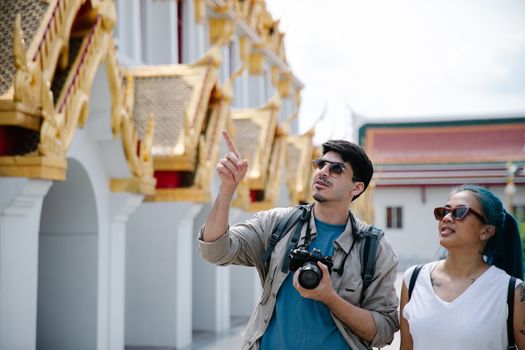
India’s soft power also extends through cinema, literature, and art. Authors like Arundhati Roy and Salman Rushdie have won international acclaim, while Indian films regularly feature in global film festivals. Initiatives like “Incredible India” promote tourism and cultural exchange, welcoming over 17 million international visitors annually before the pandemic.
The Ongoing Journey: Balancing Heritage and Progress
India’s story is one of resilience, adaptability, and optimism. The nation continues to face challenges—ranging from poverty and inequality to environmental concerns—but its ability to draw strength from tradition while innovating for the future is a testament to its enduring spirit.
As India approaches its centenary of independence in 2047, the vision is clear: to become a developed nation that honors its ancient roots while leading on the global stage. The journey is ongoing, and its outcome will depend on nurturing this unique blend of tradition and innovation for generations to come.