Malaysia: A Melting Pot of Asian Cultures
Malaysia stands out as one of Southeast Asia’s most vibrant and diverse nations. Renowned for its breathtaking landscapes, bustling cities, and tantalizing cuisine, Malaysia’s true essence lies in its role as a cultural crossroads. For centuries, it has served as a meeting point for people from across Asia, resulting in a society characterized by harmonious coexistence and shared identity. This unique blend of cultures is woven into every facet of Malaysian life—from festivals to architecture, language, and everyday interactions. In this article, we delve deep into how Malaysia has evolved into a true melting pot of Asian cultures, examining the historical journey, the everyday reality, and the profound impact on national identity.
The Historical Roots of Malaysia’s Cultural Diversity
Malaysia’s cultural mosaic did not emerge overnight. Its strategic location along the ancient maritime trade routes of the Straits of Malacca made it a magnet for traders, settlers, and conquerors from Asia and beyond. As early as the first century AD, Indian and Chinese traders established strong commercial and diplomatic ties with the Malay Peninsula. Over time, these interactions brought not only goods but also beliefs, languages, and customs.
The arrival of Islam in the 13th century marked another pivotal chapter. Arab and Indian Muslim traders introduced new religious and social practices, which gradually became central to the Malay identity. By the time the Portuguese, Dutch, and British arrived between the 16th and 19th centuries, Malaysia had already developed a rich tapestry of ethnicities and traditions.
.png)
Colonial rule further amplified Malaysia’s diversity. The British, in particular, encouraged the migration of Chinese and Indian laborers to work in tin mines and rubber plantations. According to the Department of Statistics Malaysia, as of 2022, the population is composed of approximately 69% Bumiputera (including Malays and indigenous groups), 23% Chinese, 7% Indian, and 1% others. This demographic mix continues to shape the nation’s cultural landscape.
Languages: Malaysia’s Living Tower of Babel
One of the most striking manifestations of Malaysia’s multiculturalism is its linguistic diversity. Although Bahasa Malaysia is the official language, more than 130 languages and dialects are spoken across the country.
English remains widely used, especially in business and education, a legacy of British colonialism. Mandarin, Cantonese, Hokkien, and other Chinese dialects are prevalent in the Malaysian Chinese community. Tamil, Telugu, and Malayalam thrive among the Indian population. Indigenous groups such as the Iban, Kadazan, and Orang Asli also preserve their own languages.
This multilingual environment fosters remarkable adaptability and cross-cultural communication. In urban centers like Kuala Lumpur and Penang, it’s common to hear a conversation seamlessly shift between three or more languages—a phenomenon known locally as “code-switching.”
Festivals and Celebrations: A Calendar of Harmony
Malaysia’s calendar is a vibrant tapestry of festivals, many of which are celebrated nationwide regardless of religious or ethnic background. This spirit of shared celebration is a testament to the country’s commitment to unity in diversity.
Key festivals include:
- Hari Raya Aidilfitri (Eid al-Fitr): Marking the end of Ramadan, this is the most significant Muslim celebration in Malaysia. Open houses are held, where people of all backgrounds are invited to join the festivities. - Chinese New Year: Streets and temples come alive with lion dances, fireworks, and family reunions. Non-Chinese Malaysians often participate in the celebrations, visiting friends and colleagues. - Deepavali: Known as the Festival of Lights, Deepavali is celebrated by the Indian community with oil lamps, traditional sweets, and open houses. - Thaipusam: A Hindu festival famous for its dramatic rituals and the procession to Batu Caves near Kuala Lumpur. - Christmas and Wesak Day: Christian and Buddhist holidays, respectively, are also public holidays and widely observed.The table below provides an overview of major Malaysian festivals and their associated communities:
| Festival | Community | Month | Key Traditions |
|---|---|---|---|
| Hari Raya Aidilfitri | Malay/Muslim | April/May (varies) | Open houses, feasting, new clothes |
| Chinese New Year | Chinese | January/February (varies) | Family reunions, lion dances, red decorations |
| Deepavali | Indian/Hindu | October/November (varies) | Lighting oil lamps, sweets, temple visits |
| Thaipusam | Indian/Hindu | January/February (varies) | Pilgrimage, kavadi carrying, body piercing |
| Christmas | Christian | December | Church services, decorations, gift-giving |
| Wesak Day | Buddhist | May | Temple processions, almsgiving, prayers |
This shared participation in each other’s cultural milestones strengthens national bonds and fosters mutual respect.
Architectural Fusion: Where East Meets East
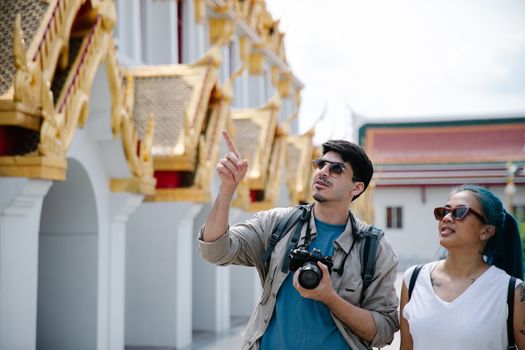
Malaysia’s landscape is a visual testament to its multicultural heritage. Nowhere is this more apparent than in its architecture. Walking through cities like Penang, Malacca, and Kuala Lumpur, visitors encounter a mesmerizing blend of styles that reflect Malaysia’s layered history.
Malay wooden houses on stilts, known for their intricate carvings and cooling open designs, coexist with grand colonial-era buildings such as the Sultan Abdul Samad Building in Kuala Lumpur. In George Town and Malacca, shophouses combine Chinese, European, and local elements, featuring colorful facades, louvered windows, and ornate tiles.
Religious architecture further illustrates Malaysia’s cultural synthesis. The country is dotted with mosques, Buddhist and Hindu temples, and Christian churches—sometimes on the same street. The Kapitan Keling Mosque, Cheng Hoon Teng Temple, and St. George’s Church in Penang are prime examples of this harmonious coexistence.
In recent decades, modern architects have continued this tradition by integrating traditional motifs into cutting-edge designs. The iconic Petronas Twin Towers, for instance, incorporate Islamic geometric patterns, uniting heritage with innovation.
Everyday Life: Multiculturalism at the Ground Level
While grand festivals and monuments are impressive, Malaysia’s melting pot identity is most evident in the everyday lives of its people. Multiculturalism is not just a slogan; it is a lived reality.
In schools, students of different backgrounds learn side by side, often in three different languages. The government’s Vision 2020 policy and the more recent “Keluarga Malaysia” (Malaysian Family) initiative emphasize inclusivity and shared values.
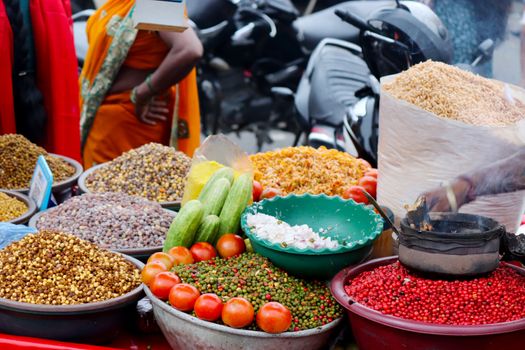
On the streets, it is common to see friends from different ethnicities sharing a meal at a “mamak” stall, where dishes from Malay, Indian, and Chinese traditions are served under one roof. Intermarriage, once rare, is becoming increasingly common, leading to a new generation of Malaysians with mixed heritage.
The workplace, too, is a microcosm of diversity. According to a 2023 report by the Department of Statistics Malaysia, 38% of Malaysia’s workforce is composed of ethnic minorities, making collaboration and cultural sensitivity essential skills.
Challenges and Opportunities in Malaysia’s Cultural Mosaic
Despite its many strengths, Malaysia’s multicultural society faces ongoing challenges. Issues of racial and religious polarization occasionally surface in politics and public life. Economic disparities persist, with the government implementing affirmative action policies to address historical inequalities.
Yet, these challenges have also prompted ongoing dialogue and reform. The Malaysian government has launched campaigns promoting unity, while civil society groups work tirelessly to bridge divides. According to the Global Peace Index 2023, Malaysia ranks as the third safest country in Southeast Asia, underscoring the relative success of its multicultural model.
At the same time, Malaysia’s diversity offers tremendous opportunities. The country’s cultural richness attracts over 26 million tourists annually (pre-pandemic figures from Tourism Malaysia), drawn by its festivals, heritage sites, and culinary adventures. Multiculturalism also boosts creativity and innovation, as seen in Malaysia’s thriving arts, music, and startup scenes.
Malaysia’s Melting Pot: A Model for the World?
As the world grapples with issues of migration, identity, and integration, Malaysia offers valuable lessons in coexistence. Its experience demonstrates that diversity, when embraced and managed, can be a source of strength rather than division. The country’s motto, “Unity is Strength” (Bersekutu Bertambah Mutu), is not just a slogan—it is an enduring principle that continues to shape Malaysia’s journey.
By celebrating differences while fostering a shared sense of belonging, Malaysia’s melting pot stands as a beacon of hope for pluralistic societies everywhere.