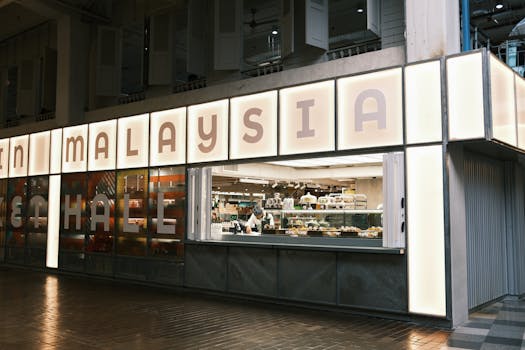
Malaysia is a food lover’s paradise—a vibrant, bustling crossroads where centuries of trade and cultural mixing have created one of Asia’s most exciting street food scenes. From the smoky alleys of Penang to the lively night markets of Kuala Lumpur and the riverside stalls of Kuching, a culinary tour through Malaysia’s street food scene is more than just a journey for your taste buds. It’s a deep dive into history, diversity, and the everyday life of Malaysians. In this article, we’ll explore what makes Malaysia’s street food unique, the must-try dishes in different regions, the role of hawker culture, and practical tips for experiencing this lively foodscape for yourself.
The Melting Pot Origins of Malaysian Street Food
Malaysia’s street food is a direct result of the country’s multicultural heritage. The main influences—Malay, Chinese, and Indian—are joined by flavors from Indonesia, Thailand, and the Middle East, thanks to centuries of trade and migration. This fusion is not just evident in restaurant menus but is at its most authentic in the street food scene.
Historical records show that open-air food stalls have been part of Malaysian towns since at least the early 20th century. The British colonial era saw an influx of Chinese and Indian laborers, each bringing their own culinary traditions, which mingled with local Malay recipes. By the 1960s, the Malaysian government began to regulate and license hawker stalls, transforming street food from a necessity for workers into a celebrated national pastime.
.png)
A 2023 survey by Tourism Malaysia found that 67% of international visitors cited “trying street food” as a top reason for their trip, ranking higher than shopping or sightseeing. This highlights the powerful draw of Malaysia’s unique food culture.
Iconic Street Food Dishes by Region
Malaysia’s three main regions—Peninsular Malaysia, Sabah, and Sarawak—all boast their own local specialties. Here’s a look at some of the must-try street foods in different areas:
Penang: Often called the street food capital of Asia, Penang is famous for Char Kway Teow (wok-fried flat rice noodles), Assam Laksa (a tangy fish-based noodle soup), and Penang Rojak (a spicy fruit and vegetable salad). The Gurney Drive hawker center in George Town is a top destination for sampling these dishes.
Kuala Lumpur: The capital offers a dizzying array of street eats, including Nasi Lemak (fragrant coconut rice with spicy sambal and accompaniments), Hokkien Mee (dark soy sauce stir-fried noodles), and Satay (grilled skewered meats with peanut sauce). Jalan Alor is the city’s most famous food street, bustling every night.
Sabah: On the island of Borneo, Sabah’s street food features seafood and indigenous influences. Tuaran Mee (egg noodles with pork and vegetables), Hinava (a Kadazan-Dusun raw fish salad), and grilled stingray are local favorites, especially in Kota Kinabalu’s waterfront markets.
Sarawak: Distinctive for its indigenous Dayak and Chinese heritage, Sarawak is home to Kolo Mee (springy noodles with minced pork), Sarawak Laksa (a coconut-based spicy noodle soup), and Kek Lapis (layered cakes). Kuching’s Carpenter Street is lined with stalls serving up these regional specialties.
All-Day Eating: Morning Markets to Midnight Suppers
Malaysians eat at all hours, and the street food scene reflects this appetite. Many dishes are associated with particular times of day, and different types of markets or hawker centers come alive at different hours.
- Morning: Wet markets and roadside stalls open as early as 6 am, serving breakfast classics like Nasi Lemak, Chee Cheong Fun (steamed rice noodle rolls), and Roti Canai (flaky flatbread with curry). - Lunch: Open-air food courts and kopitiams (traditional coffee shops) fill up with workers enjoying economical rice plates, Mee Goreng (fried noodles), or Laksa. - Evening: Night markets, or pasar malam, offer everything from freshly grilled satay to sweet Apam Balik (peanut pancakes). Many stalls stay open until midnight or later, catering to late-night cravings.In Kuala Lumpur alone, there are over 800 licensed hawker centers, and each week, more than 500 night markets operate across the country, highlighting the sheer scale and importance of street food in daily life.
Hawker Culture: The Heartbeat of Malaysian Street Food
The term “hawker” refers to the small, often family-run food businesses operating from carts, stalls, or roadside setups. Hawker culture is about more than just cheap eats; it’s a way of life that fosters community, entrepreneurship, and food innovation.
Many hawkers are second- or third-generation operators, fiercely proud of their secret recipes and loyal customer bases. For example, Penang’s famous Siam Road Char Kway Teow has been run by the same family since the 1940s. The dedication to craft is evident: a typical hawker will spend years perfecting their dish, and some stalls are so popular that people line up for over an hour for a single bowl.
Recognizing its cultural importance, UNESCO added "Hawker Culture in Singapore" to its Intangible Cultural Heritage list in 2020, and Malaysia is currently pursuing similar recognition for its own hawker traditions.
Comparing Malaysia’s Top Street Food Destinations
To help you plan your own culinary tour, here’s a comparison of four major street food hotspots in Malaysia, highlighting their signature dishes, atmosphere, and best times to visit:
| Location | Signature Dishes | Atmosphere | Best Time to Visit |
|---|---|---|---|
| Penang (George Town) | Char Kway Teow, Assam Laksa, Penang Rojak | Bustling, historic streets, open-air hawker centers | Evening (6pm–10pm), especially weekends |
| Kuala Lumpur (Jalan Alor) | Nasi Lemak, Satay, Hokkien Mee | Lively, neon-lit, crowded with locals and tourists | Night (7pm–midnight) |
| Kota Kinabalu (Sabah) | Tuaran Mee, Hinava, Grilled Seafood | Seaside, laid-back, strong indigenous influences | Late afternoon to evening (5pm–9pm) |
| Kuching (Sarawak) | Kolo Mee, Sarawak Laksa, Kek Lapis | Charming, riverfront, blend of old and new | Morning for breakfast markets; evening for night stalls |
Practical Tips for Street Food Adventurers
Sampling Malaysia’s street food is a must for any visitor, but a few practical tips can make your experience even better.
1. $1: Locals know best—busy stalls typically mean fresher food and higher turnover, reducing the risk of stale ingredients. 2. $1: Most hawker stalls only accept cash, so carry small denominations. 3. $1: Don’t miss out on Teh Tarik (pulled milk tea), fresh sugarcane juice, or coconut water, which pair perfectly with spicy dishes. 4. $1: Malaysian food can be fiery—don’t be shy to ask for “kurang pedas” (less spicy) if you’re sensitive to heat. 5. $1: Many hawkers now use biodegradable plates and cutlery, but always dispose of waste properly and recycle when possible.Street Food and Social Connection
One of the most rewarding aspects of Malaysia’s street food scene is the sense of connection it fosters. Eating at a hawker stall is a communal act, where people from all walks of life gather at shared tables, striking up conversations over bowls of noodles or skewers of satay. This daily ritual reflects Malaysia’s social fabric: diverse yet united, with food as a common language.
In fact, a 2022 poll by the Malaysian Department of Statistics found that 74% of Malaysians eat out at least once a week, and 41% prefer street food stalls over formal restaurants for their affordability and authenticity. From students to retirees, everyone finds a place at the table—and often, a new friend or two.
Final Thoughts on Malaysia’s Street Food Scene
A culinary tour through Malaysia’s street food scene is far more than a checklist of dishes to try; it’s an immersive experience that brings together history, culture, and community. Whether you’re wandering the lantern-lit lanes of Penang, haggling for satay in Kuala Lumpur, or savoring fresh seafood on the shores of Sabah, every meal tells a story. Street food is Malaysia’s beating heart—vibrant, diverse, and always evolving. So pack your appetite and sense of adventure; the flavors of Malaysia are waiting for you, right out on the street.