Malaysia: A Food Lover’s Paradise – Exploring Street Food, Night Markets, and Culinary Diversity
Few countries in the world offer as vibrant and tantalizing a food scene as Malaysia. Nestled in the heart of Southeast Asia, Malaysia is a true melting pot of culinary influences, blending the flavors of Malay, Chinese, Indian, Peranakan, and indigenous traditions. For food lovers, Malaysia is not just a destination—it’s a journey through bustling night markets, aromatic street stalls, and family-run eateries, each with its own story and specialty. This article will take you beyond iconic dishes and into the living, breathing world of Malaysian food culture, where every meal is an adventure and every street corner hides a new culinary surprise.
Malaysia’s Unique Culinary Landscape: A Tapestry of Influences
One of the most fascinating aspects of Malaysian cuisine is its diversity. Over centuries, waves of migration and trade have brought together people from across Asia and beyond, each contributing their own traditions and ingredients. Today, Malaysia’s population stands at over 33 million (2023 estimate), with ethnic Malays (about 69%), Chinese (23%), Indians (7%), and numerous indigenous groups. This multicultural makeup is reflected in the country’s food.
.png)
Malay cuisine, characterized by coconut milk, lemongrass, and spices, forms the backbone of the national palate. Chinese Malaysians have introduced techniques like stir-frying and steaming, and dishes such as char kuey teow and Hainanese chicken rice. Indian and Mamak (Muslim Indian) communities have brought curries, roti canai, and teh tarik (pulled tea), while Peranakan or Nyonya cooking is a fusion of Chinese and Malay styles, rich in herbs and tangy flavors.
The result is a culinary tapestry where it’s common to see a Malay nasi lemak stall alongside a Chinese dim sum shop and an Indian banana leaf restaurant—all on the same street. This everyday coexistence is what makes Malaysia a paradise for food lovers eager to explore new tastes.
The Thrill of Malaysian Street Food: Top Picks and Hidden Gems
While fine dining exists, Malaysia’s true culinary heartbeat pulses through its street food. According to a 2019 survey by Tourism Malaysia, over 65% of travelers cited “street food” as a primary reason for visiting. The sheer variety is staggering, and the accessibility—often under a dollar or two per dish—makes sampling easy and fun.
Some must-try street foods include:
- Nasi Lemak: Considered the national dish, this coconut rice meal is served with sambal (spicy chili paste), fried anchovies, peanuts, cucumber, and a hard-boiled egg. Variations abound, with add-ons like fried chicken or squid. - Satay: Skewered and grilled meats, usually chicken or beef, served with a rich peanut sauce and rice cakes. - Char Kuey Teow: Wok-fried flat rice noodles with prawns, cockles, eggs, and bean sprouts, known for its smoky “wok hei” flavor. - Roti Canai: Flaky, crispy flatbread often paired with dhal (lentil curry) or chicken curry. - Apam Balik: A sweet peanut pancake, crunchy on the outside and soft inside.Hidden gems are everywhere—Penang’s New Lane street food, Kuala Lumpur’s Jalan Alor, and Ipoh’s old town are just a few of the bustling hot spots. And in every city, local favorites await discovery.
Night Markets: The Social and Culinary Hubs of Malaysia
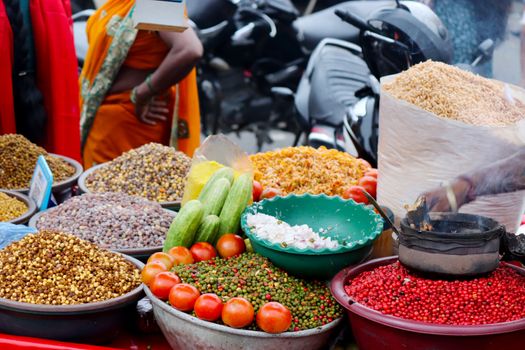
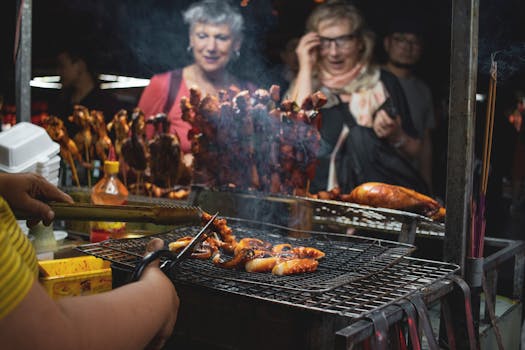
No exploration of Malaysian food culture is complete without a visit to a night market (pasar malam). More than just places to eat, night markets are vibrant social gatherings where locals shop, chat, and graze their way through an endless array of snacks and drinks.
A typical night market features:
- Dozens of stalls offering everything from grilled seafood to tropical fruits - Rows of fresh produce, spices, and local delicacies - Street performers, games, and household goodsSome of the largest and most famous night markets include the Taman Connaught Night Market in Kuala Lumpur (stretching over 2 kilometers with more than 700 stalls), and the Kampung Baru Night Market, renowned for traditional Malay specialties.
Night markets are the best places to taste regional specialties. In Kota Kinabalu, for example, you might find hinava (Sabahan raw fish salad), while in Malacca, popiah (fresh spring rolls) is the star. The experience is as much about the atmosphere—bustling crowds, sizzling grills, and the scent of spices—as it is about the food itself.
Regional Flavors: From Penang to Borneo
Malaysia’s geography, stretching from the Thai border down to Singapore and across the South China Sea to Borneo, ensures that each region has its own distinctive tastes and specialties.
Penang, often dubbed “the food capital of Asia,” is famed for dishes like asam laksa (tamarind-spiked noodle soup) and Penang prawn mee. The city’s food scene is so influential that CNN Travel ranked Penang’s street food among the world’s best in 2017.
In the south, Johor’s cuisine is influenced by Javanese migrants and features laksa Johor (spaghetti-like noodles in a spicy fish-based sauce). Kelantan and Terengganu on the east coast are known for nasi dagang (rice steamed in coconut milk, often served with fish curry) and keropok lekor (fish crackers).
On Malaysian Borneo, Sarawak’s indigenous communities contribute unique dishes such as manok pansoh (chicken cooked in bamboo) and Sarawak laksa, a complex noodle soup with a base of spices, coconut milk, and seafood.
To better understand the diversity, here’s a comparative table of signature dishes by region:
| Region | Signature Dish | Main Ingredients | Notable Feature |
|---|---|---|---|
| Penang | Asam Laksa | Rice noodles, mackerel, tamarind, herbs | Sour, spicy fish-based soup |
| Johor | Laksa Johor | Spaghetti, fish curry, coconut milk | Spaghetti noodles instead of rice noodles |
| Kelantan | Nasi Kerabu | Blue rice, herbs, fried fish or chicken | Rice colored with butterfly pea flower |
| Sarawak | Sarawak Laksa | Rice vermicelli, shrimp, chicken, coconut milk | Complex, aromatic spice blend |
| Sabah | Hinava | Raw fish, lime juice, shallots, chili | Sabahan-style ceviche |
This table highlights just a few of the signature dishes that await adventurous eaters in different Malaysian regions.
The Role of Food in Malaysian Festivals and Daily Life
Food is at the center of Malaysian culture, not just as sustenance but as a marker of celebration, community, and identity. Major festivals, such as Hari Raya Aidilfitri, Chinese New Year, and Deepavali, are celebrated with lavish spreads and open houses where neighbors of all backgrounds are invited to share a meal.
During the Muslim fasting month of Ramadan, Malaysia’s Ramadan bazaars come alive at dusk, offering a stunning array of dishes—from murtabak (stuffed pancake) to kuih-muih (colorful traditional sweets). A 2022 report by the Malaysian Department of Statistics revealed that food sales during Ramadan increased by over 40% compared to other months, underlining the importance of festive feasting.
But even in daily life, the Malaysian tradition of “makan-makan” (literally, “eating-eating”) emphasizes food as a way to connect. Business meetings, family gatherings, and even casual outings often revolve around a shared table. It’s not unusual to hear “Sudah makan?” (“Have you eaten?”) as a friendly greeting, illustrating how deeply intertwined food is with daily interactions.
Modern Malaysian Cuisine: Innovation Meets Tradition
While tradition is strong, Malaysia’s food scene is also dynamic and innovative. In recent years, young chefs and entrepreneurs have begun to reinterpret classic dishes, blending local flavors with international techniques. Kuala Lumpur and George Town now boast a wave of modern bistros, specialty coffee shops, and dessert bars that cater to a new generation of food lovers.
Examples include:
- Nasi lemak burgers, where the components of the classic dish are reimagined as a gourmet burger - Fusion desserts, such as durian-flavored crème brûlée or pandan-infused cheesecakes - Farm-to-table concepts, focusing on sustainable local produceIn 2023, Malaysian restaurants received a record 97 mentions in the Michelin Guide, with two establishments in Penang earning Michelin Stars for the first time. This recognition signals the rising global profile of Malaysian cuisine—not just for its heritage, but also for its creativity and adaptability.
Final Thoughts: Why Malaysia Truly Is a Food Lover’s Paradise
Malaysia’s appeal to food lovers goes far beyond its famous dishes. It’s the sense of discovery—where every meal can introduce something new, and every region offers its own unique take on familiar flavors. The blend of cultures, the vibrancy of street food, the excitement of night markets, and the ongoing culinary innovation all contribute to a food scene that is among the world’s most dynamic.
Whether you’re a first-time visitor sampling satay at a bustling market or a seasoned traveler seeking out hidden regional gems, Malaysia promises a never-ending feast for the senses. For anyone with a passion for food, it’s not just a paradise—it’s a playground.