
Malaysia is a country where diversity doesn’t just exist—it thrives. From bustling cities to idyllic islands, and from ancient rainforests to vibrant urban centers, Malaysia’s dynamic lifestyle is a reflection of its rich multicultural heritage and rapid modernization. For locals and visitors alike, the Malaysian way of life is colorful, energetic, and deeply rooted in traditions, yet always open to innovation. This article delves into the vibrant life of Malaysia, uncovering the day-to-day experiences, values, and pursuits that make this Southeast Asian nation truly unique.
Living Between Tradition and Modernity in Malaysia
One of the most striking features of the Malaysian lifestyle is the seamless coexistence of old and new. In cities like Kuala Lumpur and Penang, skyscrapers tower over colonial-era buildings and historic temples. Modern shopping malls sit alongside bustling wet markets where traditional bargaining is still an art form.
Take Kuala Lumpur: according to the Department of Statistics Malaysia, over 76% of the population live in urban areas as of 2023, and the cityscape is a testament to growth and innovation. Yet, the echoes of history are never far—whether it’s the call to prayer from a nearby mosque, the vibrant colors of a Hindu festival procession, or the aroma of traditional Malay kuih (cakes) in a local café.
.png)
This blend of past and present shapes daily life. Many Malaysians begin their morning with a cup of kopi (local coffee) at a kopitiam (traditional coffee shop), then commute on modern public transit systems like the MRT. Family homes may feature both high-tech appliances and antique wooden carvings handed down for generations. Such contrasts are not only accepted—they’re celebrated, making Malaysia a fascinating study in adaptability and cultural pride.
Malaysian Social Life: Community, Family, and Shared Spaces
Malaysians are famously warm, sociable, and community-oriented. The concept of gotong-royong, or communal cooperation, is deeply ingrained—seen in everything from neighborhood clean-up days to festive open houses where friends and strangers are equally welcome.
Family remains the cornerstone of Malaysian society. According to a 2022 survey by Ipsos Malaysia, 92% of Malaysians consider family the most important aspect of their lives, ahead of career or education. Multi-generational households are common, with grandparents, parents, and children living under one roof, sharing responsibilities and joys.
Social life in Malaysia is also defined by frequent gatherings. Weekends are often spent at pasar malam (night markets) savoring local snacks, or at malls, which have become modern town squares. Malaysians also love their festivals—Hari Raya Aidilfitri, Chinese New Year, and Deepavali are marked by open houses, where hospitality knows no bounds.
Work-Life Balance: Leisure, Wellness, and the Pace of Life
While Malaysia is a fast-developing nation, the pace of life is generally relaxed compared to many Western countries. Work-life balance is valued, with public holidays—Malaysia has 19 official public holidays per year, one of the highest counts globally—providing ample time for rest and recreation.
Wellness trends are gaining traction, particularly among urbanites. Yoga studios, fitness centers, and outdoor activities like hiking and cycling are increasingly popular. The country’s natural beauty offers endless opportunities for relaxation and adventure: from hiking in Taman Negara, Malaysia’s 130-million-year-old rainforest, to island getaways in Langkawi or Tioman.
Moreover, the culture of food is central to leisure. Malaysians are passionate about eating out, and the diversity of cuisine—Malay, Chinese, Indian, and countless hybrid variations—means there is always something new to try. A typical social gathering might revolve around a steaming hotpot, a spicy nasi lemak breakfast, or a midnight trip to the local mamak (open-air food stall).
Education and Personal Growth in Malaysian Society
Education is highly prized in Malaysia, seen as the key to personal and national progress. The Malaysian education system is multilingual and multicultural, with schools offering instruction in Malay, Chinese, Tamil, and English. According to UNESCO, Malaysia’s literacy rate stands at an impressive 95.3% as of 2022.
Beyond formal education, lifelong learning is encouraged. Malaysians frequently attend evening workshops, language classes, and online courses. The government’s “Malaysia Education Blueprint 2013-2025” outlines ambitious plans to make the nation a regional center for educational excellence and innovation.
Personal development extends to spiritual and cultural growth. Many Malaysians participate in religious study groups, community volunteering, and cultural associations—reflecting the country’s respect for tradition and openness to new ideas.
Urban Versus Rural Lifestyles: A Comparative Overview
Despite rapid urbanization, around 24% of Malaysians still live in rural areas as of 2023. Life in the kampung (village) contrasts sharply with the urban experience but remains central to Malaysia’s identity. The table below highlights key differences between urban and rural lifestyles in Malaysia:
| Aspect | Urban Malaysia | Rural Malaysia (Kampung) |
|---|---|---|
| Population Density | High (Kuala Lumpur: ~8,000 per km²) | Low (average
More from the archiveView full article archive →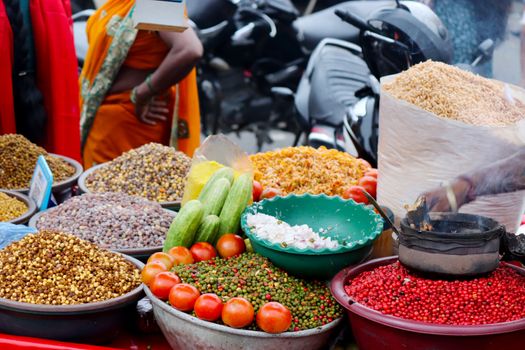
malezitarin.com
Explore India's Culinary Wonders: A Journey Through Its Food Landscape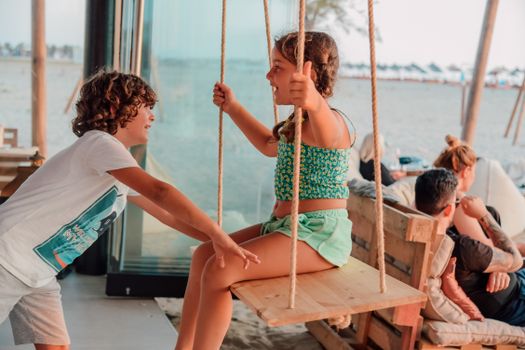
malezitarin.com
Family-Friendly Italy: Top Tips & Activities for a Fun Vacation with Kids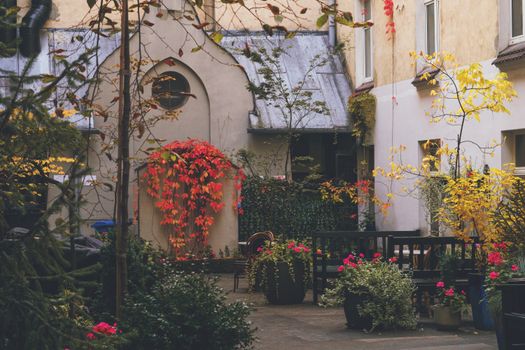
malezitarin.com
Discover London's Hidden Gardens: A Guide to Secret Urban Oases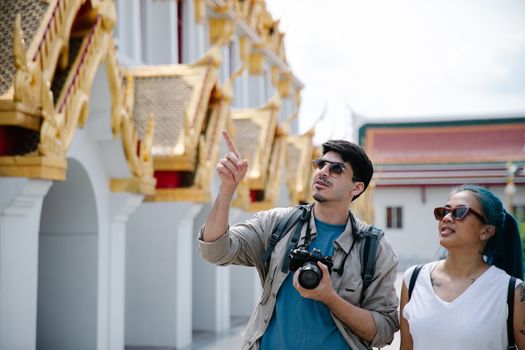
malezitarin.com
Ultimate Guide to Thailand Adventure: Tips, Packing, and Etiquette
malezitarin.com
Ultimate Guide to Planning Your Adventure in Australia
malezitarin.com
Vibrant Celebrations: Exploring the Rich Tapestry of Indian Festivals
malezitarin.com
Explore Morocco's Magic: From Sahara Sands to Atlas Peaks
malezitarin.com
Dive into Egypt: Exploring the Red Sea's Spectacular Underwater World |