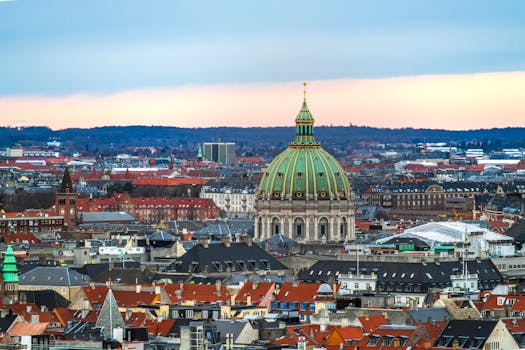
Copenhagen: Europe's Greenest City Uncovered
Copenhagen, the capital of Denmark, stands out as a beacon of sustainability and has been dubbed one of Europe's greenest cities. This prestigious title reflects Copenhagen's dedicated efforts in environmental sustainability and innovative urban planning. In this article, we delve into the various initiatives that have shaped Copenhagen's green identity and explore lessons that other cities can draw from its approach.
Embracing the Bicycle Culture
.png)
A cornerstone of Copenhagen’s environmental strategy is its embrace of cycling as a primary mode of transportation. The city boasts over 375 kilometers of dedicated bike lanes, facilitating safe and convenient travel for cyclists. This robust infrastructure not only supports a healthier lifestyle but also significantly cuts down on vehicular emissions, aligning with the city's ambitious goal to achieve carbon neutrality by 2025.
Commitment to Renewable Energy
Copenhagen's energy framework heavily emphasizes renewable sources, particularly wind power. The city's landscape is dotted with efficient offshore wind farms that significantly contribute to its energy supply. Furthermore, Copenhagen's advanced district heating system recycles heat from electricity and waste processing to warm numerous homes and businesses, showcasing a stellar model of energy efficiency.
Urban Green Spaces
More than half of Copenhagen is enveloped in green spaces, including parks, lakes, and community gardens. These areas are not only vital for recreation and aesthetic value but also play a crucial role in ecological functions such as air purification and urban heat reduction. By integrating nature into the urban fabric, Copenhagen enhances the well-being of its residents and ecological health.
Innovative Water Management
Copenhagen has also set benchmarks in effective water management, particularly in mitigating flood risks and managing rainwater runoff. The city employs innovative solutions like green roofs, permeable pavements, and an elaborate network of canals that efficiently direct rainwater to nearby water bodies. This proactive approach not only prevents urban flooding but also improves water quality and supports local biodiversity.
Sustainable Urban Planning
The city's urban development is guided by stringent environmental standards that require all new projects to incorporate sustainable practices. Copenhagen’s architectural landscape is a testament to this policy, featuring a blend of modern, energy-efficient buildings and well-preserved historic structures. The public transportation system is another highlight, renowned for its efficiency and minimal environmental impact.
Fostering Environmental Education and Community Engagement
Copenhagen actively promotes environmental education and community involvement in sustainability practices. The city offers a myriad of programs aimed at educating its citizens about sustainable living, from recycling initiatives to workshops on green living. This community-centric approach not only enhances local engagement but also fosters a shared commitment to sustainability.
Conclusion
Copenhagen's status as Europe’s greenest city is a well-earned accolade, reflecting its holistic approach to sustainability and community involvement. The city’s strategies, from its cycling infrastructure and renewable energy use to its green spaces and water management systems, serve as exemplary models for urban sustainability. Other cities aspiring to green their environments can look to Copenhagen not only for inspiration but also for practical guidance in cultivating a sustainable and livable urban future.