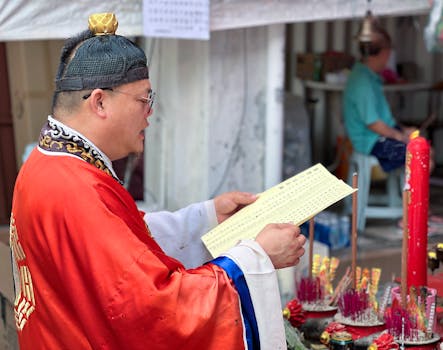
My Experiences with Traditional Malaysian Festivities: Colors, Culture, and Community
Malaysia, with its diverse ethnicities and vibrant history, is home to some of the world’s most colorful festivals. As someone who has lived and traveled across Malaysia for years, I’ve had the privilege to witness and participate in celebrations that transcend mere ritual, weaving communities together in joyful harmony. In this article, I’ll share my personal experiences attending major Malaysian festivities, reveal fascinating facts and traditions, and offer a glimpse into what makes these celebrations truly unique. Whether you’re a traveler, a culture enthusiast, or simply curious about Malaysia’s living heritage, join me on a journey through Malaysia’s festive calendar.
The Multicultural Essence of Malaysian Festivities
Malaysia’s population of over 33 million is a tapestry of ethnic Malays, Chinese, Indians, and indigenous groups. This diversity is best experienced during the festive seasons, when the streets, homes, and temples come alive with sounds, colors, and flavors unique to each community. Unlike in many countries where public holidays are limited to a single religion or culture, Malaysia recognizes and celebrates major festivals of its principal ethnic groups on a national scale.
For instance, Hari Raya Aidilfitri (Eid al-Fitr), Chinese New Year, and Deepavali (Diwali) are all public holidays, allowing Malaysians of all backgrounds to partake in each celebration. According to Malaysia’s Department of Statistics, over 60% of the population participate in at least two major cultural festivals annually, underscoring the spirit of “open house” and shared celebration.
.png)
One of my earliest memories was attending Chinese New Year celebrations in Penang. The city pulsed with the beat of lion dances, firecrackers, and endless feasts. While I am not Chinese, my neighbors warmly invited my family to join their reunion dinner—a tradition that highlights Malaysian hospitality and the blending of cultures.
Hari Raya Aidilfitri: Unity Through Open House
Hari Raya Aidilfitri, celebrated at the end of Ramadan, is arguably Malaysia’s most anticipated festival. The days leading up to Hari Raya are filled with preparations—houses are scrubbed spotless, new clothes are purchased, and traditional kuih (sweets) are baked in bulk. When the crescent moon is sighted, signaling the arrival of Syawal, families don their best attire and head to the mosque for prayers.
My most memorable experience with Hari Raya was being invited to an “open house”—a tradition where families open their homes to friends, relatives, and even strangers, regardless of religion or race. According to Tourism Malaysia, over 2 million people attend open houses each year during Hari Raya, making it one of the country’s largest social gatherings.
At the open house, I sampled rendang (spicy meat stew), lemang (glutinous rice cooked in bamboo), and a variety of colorful kuih. Children, dressed in vibrant baju Melayu and baju kurung, eagerly collected green packets of duit raya (money gifts). The camaraderie and sense of unity were palpable, proving that Hari Raya is more than just a religious occasion—it is a celebration of togetherness.
Chinese New Year: Lion Dances, Lanterns, and Reunion Feasts
Chinese New Year in Malaysia is a grand spectacle that lasts for 15 days, culminating in Chap Goh Mei, the Lantern Festival. Each year, I look forward to the thundering lion and dragon dances—believed to ward off evil spirits and bring prosperity. The streets are ablaze with red lanterns and the crackle of firecrackers fills the air.
A highlight of my experience is the reunion dinner on New Year’s Eve. Families gather for a sumptuous meal, often featuring yee sang—a salad tossed for luck and prosperity. As I joined the tossing, I learned that Malaysians hold the world record for the largest yee sang toss, with over 3,000 participants in a single event in 2016.
Visiting friends during Chinese New Year, I was offered mandarin oranges (symbols of luck) and sweet treats. The tradition of giving ang pow—red envelopes filled with money—reminds me of the importance of generosity and goodwill. The festival’s blend of ancient rituals and modern celebration makes it a truly captivating experience.
Deepavali: The Festival of Lights and Hope
Deepavali, or Diwali, is celebrated by Hindus across Malaysia and is known as the Festival of Lights. Homes are decorated with vibrant kolam (rice flour paintings), and the glow of oil lamps banishes darkness and symbolizes the triumph of good over evil. With over 2 million Malaysian Indians marking this occasion, Deepavali is both a religious and communal event.
My Deepavali experiences have always centered around family and food. One year, I helped friends create kolam at the entrance of their home. The intricate patterns, painstakingly crafted, are believed to welcome Lakshmi, the goddess of wealth. The fragrance of curries, sweets like laddu and murukku, and the sound of laughter filled the air as guests arrived in colorful sarees and kurtas.
Malaysia’s “open house” tradition extends to Deepavali as well, with both Hindus and non-Hindus exchanging greetings and meals. According to a 2022 survey by the Malaysian Hindu Sangam, nearly 70% of Malaysian Hindus invite friends from other backgrounds to their Deepavali open houses, making it a powerful symbol of inclusivity.
Harvest Festivals: Gawai Dayak and Kaamatan
While the major festivals of the Malay, Chinese, and Indian communities are celebrated nationwide, Malaysia’s indigenous peoples have their own vibrant traditions. In East Malaysia, Gawai Dayak (in Sarawak) and Kaamatan (in Sabah) mark the rice harvest and are the most significant cultural events for the Dayak and Kadazan-Dusun communities.
I once traveled to Sarawak during Gawai Dayak, held annually on June 1st. The longhouse communities were adorned with woven mats and traditional crafts. I participated in ngajat, a traditional Iban dance, and tasted tuak, a homemade rice wine. The sense of gratitude for the harvest was evident in the prayers, songs, and communal feasting.
Similarly, Kaamatan in Sabah is a month-long festival culminating on May 30th and 31st. The highlight for me was witnessing the Unduk Ngadau beauty pageant—a celebration of beauty, wisdom, and heritage. These indigenous festivals are vital for preserving Malaysia’s cultural diversity and reminding us of our connection to the land.
Comparing Major Malaysian Festivities: Scale, Traditions, and Participation
To give a clearer picture of how these festivals differ, here is a comparative overview of Malaysia’s four major celebrations:
| Festival | Main Community | Key Traditions | Estimated Participants | Duration |
|---|---|---|---|---|
| Hari Raya Aidilfitri | Malay/Muslim | Open house, prayers, visiting graves, kuih | ~18 million | 2-3 days (official), up to a month (celebrations) |
| Chinese New Year | Chinese | Reunion dinner, lion dance, ang pow, lanterns | ~7 million | 15 days |
| Deepavali | Indian/Hindu | Kolam, oil lamps, sweets, open house | ~2 million | 1-2 days (official), week-long celebrations |
| Gawai Dayak/Kaamatan | Indigenous (East Malaysia) | Harvest rituals, dances, communal feasts | ~3 million | 2 days (official), month-long festivities |
These numbers reflect how each festival is deeply rooted in its respective community, yet open to all Malaysians, reinforcing the nation’s cherished unity in diversity.
Personal Reflections: Lessons Learned from Malaysian Festivals
Participating in these festivities has profoundly shaped my understanding of Malaysia’s social fabric. Each celebration, while unique in its customs and religious significance, shares core values: hospitality, gratitude, and the importance of family and community.
For example, the open house tradition—uncommon in many other countries—breaks down barriers and fosters mutual respect. As a guest, I have always been welcomed with open arms, regardless of my background. The practice of giving, whether through ang pow, duit raya, or sharing food, teaches the importance of generosity.
Another lesson is the power of ritual and symbolism. From the lighting of oil lamps during Deepavali to the tossing of yee sang, these acts bring people together and create lasting memories. Statistics from the Ministry of Tourism show that more than 4 million tourists timed their visits to coincide with Malaysian festivals in 2019, highlighting the global appeal of these vibrant traditions.
Finally, these experiences have taught me the importance of preserving culture in a rapidly modernizing world. Despite urbanization and the influence of global trends, Malaysians continue to cherish and adapt their age-old customs, ensuring that the next generation understands their roots.
Embracing the Spirit of Malaysia’s Festive Calendar
Malaysia’s traditional festivities are more than annual events—they are the heartbeat of a nation that thrives on diversity, respect, and joy. My experiences have given me a deep appreciation for the rich cultural heritage that defines Malaysian society. From the bustling streets of Kuala Lumpur during Hari Raya to the tranquil longhouses of Sarawak for Gawai, each celebration is an invitation to connect, learn, and celebrate life together.
If you ever have the chance to visit Malaysia, I highly encourage you to time your trip with one of these festivals. There is no better way to experience the warmth, colors, and flavors of this extraordinary country. Whether you’re sharing a meal at an open house, joining a lion dance, or simply admiring the intricate kolam, you’ll discover that the true beauty of Malaysia lies in its people and their celebrations.