Relishing the Spices of Malaysia: A Foodie's Paradise
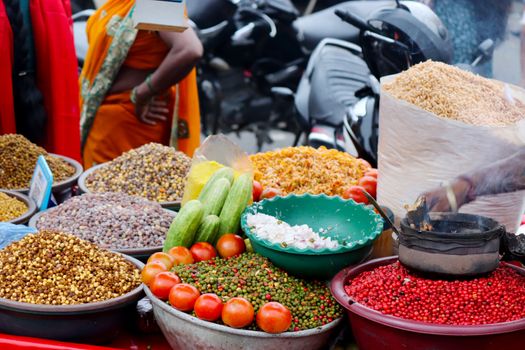
Malaysia is a country that seduces the senses: lush rainforests, vibrant cityscapes, and perhaps most memorable of all, a cuisine teeming with color, aroma, and flavor. For food lovers, Malaysia is nothing short of paradise — a place where ancient spice routes and centuries of cultural exchange have created a culinary landscape as diverse as the nation itself. The real magic of Malaysian food lies in its spices: pungent, fiery, sweet, and earthy, they are the threads that connect generations and tell stories with every bite. In this exploration, we'll delve into the heart of Malaysia's spice-laden gastronomy, uncovering what makes it a must-visit destination for every foodie.
The Spice Route Legacy: How History Shaped Malaysia’s Flavors
Malaysia’s geographical position at the crossroads of ancient trade routes made it a melting pot for traders from India, China, the Middle East, and Europe. As early as the first millennium, traders brought pepper, cardamom, cinnamon, cloves, and star anise to the Malay Peninsula. Local cooks embraced these imports, weaving them into indigenous recipes and creating something new.
The Peranakan (Straits Chinese) community, for example, emerged from intermarriage between Chinese immigrants and local Malays, blending Chinese ingredients with Malay spices. The resulting Nyonya cuisine is renowned for its complex flavors — think ayam pongteh (a chicken stew with sweet soy and fermented bean paste) or laksa lemak (a coconut milk-based noodle soup with lemongrass and galangal). The Indian Muslim community, meanwhile, introduced fiery curries and spice-laden rice dishes like nasi kandar, now a staple in cities like Penang.
.png)
Today, Malaysian kitchens showcase this legacy. According to the Malaysian External Trade Development Corporation, Malaysia exported over USD 200 million worth of spices in 2022, reflecting both local demand and global appreciation for these flavors.
Signature Malaysian Spices: The Heart of Every Dish
At the core of Malaysian cooking are a handful of powerful spices and aromatics. While each region and community has its favorites, some ingredients are found everywhere. Let’s explore the essential Malaysian spice rack:
1. Lemongrass (Serai): A ubiquitous herb, lemongrass adds citrusy brightness to curries, soups, and sambals. 2. Galangal (Lengkuas): Similar to ginger, galangal offers a sharp, peppery flavor and is a key ingredient in dishes like rendang and laksa. 3. Turmeric (Kunyit): Beyond its golden hue, turmeric brings earthy warmth to spice pastes and rice. 4. Star Anise and Cloves: Used mainly in Indian-influenced dishes and slow-cooked stews, these spices impart a sweet, licorice-like aroma. 5. Bird’s Eye Chili (Cili Padi): Small but mighty, these chilies add the fiery kick that defines Malaysian heat. 6. Belacan: Not a spice per se, but this fermented shrimp paste is the backbone of many spice pastes, contributing a deep, savory umami.These spices are usually blended with garlic, shallot, and ginger to create rempah — a foundational spice paste that forms the base of countless Malaysian dishes. Whether it’s the aromatic rendang from Negeri Sembilan or the tangy asam pedas of Malacca, rempah is what gives Malaysian food its unmistakable depth.
Regional Spice Spectacles: A Tour of Malaysia’s Culinary Diversity
Malaysia’s ethnic and geographic diversity means that each region boasts its own unique approach to spices.
Penang: Known as the “food capital” of Malaysia, Penang’s cuisine is marked by bold flavors and Chinese-Indian-Malay fusion. Penang assam laksa, for example, is a tamarind-laden fish noodle soup layered with mint, torch ginger, and spicy chili paste. Char kway teow, a smoky noodle dish, is seasoned with soy sauce, garlic, and chili, showing how spices can be subtle yet impactful.
Kelantan and Terengganu: On the east coast, you’ll find dishes that use fresh turmeric and lemongrass in abundance. Nasi kerabu, a blue rice dish tinted with butterfly pea flower, comes with a medley of raw herbs, dried fish, and spicy coconut sambal.
Sabah and Sarawak (Borneo): Indigenous Dayak communities have their own spice traditions, often foraging wild ginger and torch ginger. Sarawak laksa, for instance, uses a special spice paste featuring star anise, cardamom, and galangal, creating a broth that is both creamy and intensely aromatic.
Kuala Lumpur: As Malaysia’s cosmopolitan hub, KL offers everything from fiery Indian curries to delicate Cantonese dim sum. Here, spices cross boundaries, as seen in fusion dishes like curry mee or spicy bak kut teh.
Malaysian Spice Dishes: Must-Try Experiences for Foodies
Malaysian cuisine is a feast of spice-laden wonders. Here are some of the most iconic dishes every spice-loving foodie must try:
Nasi Lemak: Often called Malaysia’s national dish, nasi lemak consists of coconut rice served with sambal (a spicy chili paste), fried anchovies, peanuts, cucumber, and hard-boiled egg. The sambal is the star, made with chili, shallots, belacan, and sometimes tamarind for tang.
Rendang: A slow-cooked dry curry, rendang features beef simmered in a rich rempah of galangal, lemongrass, turmeric, and coconut milk. It was ranked as the number one dish in CNN’s “World’s 50 Best Foods” reader poll in 2017.
Laksa: With dozens of regional variations, laksa is a noodle soup with a complex spice profile. Penang’s assam laksa is sour and spicy, while Sarawak laksa is creamy and earthy.
Satay: Skewered and grilled meats, often chicken or beef, marinated in turmeric, coriander, and cumin, served with a spicy peanut sauce.
Mee Goreng Mamak: Indian Muslim hawker-style fried noodles with a punchy mix of spices, soy, chili, and tomato.
Below is a comparative overview of these classic dishes and their primary spice profiles:
| Dish | Main Spices & Aromatics | Notable Feature |
|---|---|---|
| Nasi Lemak | Chili, shallot, belacan, lemongrass | Sambal chili paste; coconut rice |
| Rendang | Galangal, turmeric, lemongrass, chili | Slow-cooked dry curry |
| Laksa | Tamarind, chili, ginger, star anise | Sour or creamy broth |
| Satay | Turmeric, cumin, coriander, chili | Grilled skewered meat, peanut sauce |
| Mee Goreng Mamak | Garlic, chili, soy, tomato | Indian-Muslim stir-fry noodles |
The Role of Spices in Malaysian Food Culture and Daily Life
Spices do more than season food in Malaysia — they connect families, mark celebrations, and even carry medicinal value. For example, turmeric is believed to have anti-inflammatory properties, while lemongrass is used in traditional remedies for colds and digestive issues.
Food is central to Malaysian festivals, often prepared in large quantities for sharing. Hari Raya Aidilfitri (Eid al-Fitr) celebrations feature rendang and curry, while Chinese New Year may include spicy yee sang (a salad with pickled ginger and peppery radish). Even street food, from spicy rojak fruit salad to chili-laden curry puffs, is a testament to the everyday love for bold flavors.
According to research by the Department of Statistics Malaysia, Malaysians eat out an average of 16 times per month, with over 60% of respondents citing “flavor variety” as their top reason. It’s no surprise that the spice-rich hawker stalls and night markets continue to thrive.
Embracing Malaysian Spices at Home: Tips for Foodies
You don’t have to book a flight to Kuala Lumpur to experience Malaysian spices — with a few key ingredients and techniques, you can recreate these flavors in your own kitchen.
Stock Your Pantry: Look for essential ingredients like dried and fresh chilies, turmeric powder, lemongrass stalks, galangal, and belacan. Asian supermarkets or online retailers often carry these items.
Master the Rempah: Most Malaysian recipes begin by blending spices and aromatics into a paste. Use a mortar and pestle for authentic texture, or a food processor for convenience.
Balance is Key: Malaysian cuisine is about harmony — balance spicy, sweet, sour, and savory. Taste and adjust as you cook.
Try Simple Dishes First: Start with nasi lemak or chicken satay, then work your way to more complex dishes like rendang or laksa.
Explore and Experiment: Don’t be afraid to invent your own fusion creations using Malaysian spices. The country’s culinary history is all about experimentation and adaptation.
Final Thoughts: Why Malaysia is a Spice Lover’s Dream Destination
Malaysia’s food scene is not just about eating — it’s about relishing the intricate dance of spices that define every meal. Whether you’re savoring a humble plate of nasi lemak on a bustling street corner or experiencing a lavish spread during a festive celebration, you’ll find that spices are more than just ingredients. They are storytellers, healers, and bridges between cultures.
For foodies, exploring Malaysia’s spice-driven cuisine is a journey through history, culture, and community. With over 13,000 restaurants nationwide and hawker centers in every city, there’s always a new flavor to discover. So pack your appetite, and prepare to relish the unforgettable spices of Malaysia — a true paradise for every culinary adventurer.