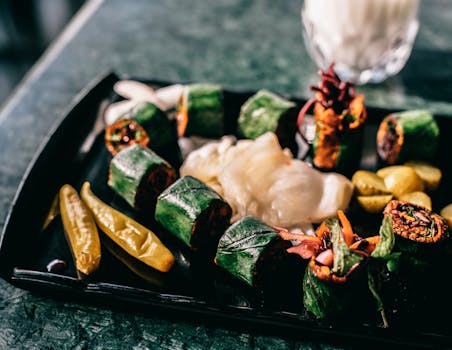
France is a nation synonymous with gastronomic brilliance, where each region boasts its own unique flavors, culinary traditions, and world-renowned specialties. From buttery croissants in a bustling Parisian café to the robust cassoulet simmering in the southwest, tasting your way through France is more than a journey—it’s a celebration of culture, history, and artistry on a plate. Whether you’re a seasoned foodie or a curious traveler, exploring France through its cuisine offers an immersive experience like no other, blending local ingredients, time-honored techniques, and a deep-rooted passion for food.
Let’s embark on a flavorful adventure through the country’s vibrant culinary landscape, discovering what makes French cuisine truly exceptional.
The Foundations of French Gastronomy: A Heritage of Excellence
French cuisine is not just a collection of recipes—it’s a living heritage recognized by UNESCO as an Intangible Cultural Heritage of Humanity. At its core, French gastronomy is defined by meticulous technique, seasonal ingredients, and a reverence for tradition. The French meal itself is a ritual, often structured around multiple courses and designed to be enjoyed slowly, in good company.
.png)
According to the French Ministry of Agriculture, France is home to over 1,200 varieties of cheese and more than 400 officially recognized wines. The country’s commitment to artisan production is evident in its strict labeling systems, such as the Appellation d’Origine Contrôlée (AOC), which safeguards the origins and quality of products like Champagne and Roquefort cheese.
A typical French meal may include:
- Entrée (starter): Such as a delicate salade de chèvre chaud (warm goat cheese salad) - Plat principal (main course): Like coq au vin, beef bourguignon, or confit de canard - Fromage (cheese): An assortment of local cheeses - Dessert: Crème brûlée, tarte tatin, or a simple fruit tart - Wine: Paired carefully to complement each courseThis structure reflects not only the variety but also the artistry and pride found in French kitchens, both at home and in restaurants.
Regional Flavors: Diversity from North to South
France’s culinary landscape shifts dramatically from region to region, each influenced by local geography, climate, and history. Exploring these local specialties is essential to understanding the depth and breadth of French cuisine.
In the north, Normandy is famous for its creamy Camembert cheese, apple cider, and the decadent tarte Normande. Brittany, with its windswept coastline, is the birthplace of buckwheat galettes and buttery kouign-amann pastries. Travel east to Alsace, and you’ll find dishes like choucroute garnie, a hearty plate of sauerkraut and sausages, reflecting the region’s Germanic roots.
Central France is dominated by the flavors of Burgundy, home to the legendary boeuf bourguignon and world-class Pinot Noir wines. Lyon, often called the “stomach of France,” is renowned for its bouchons—traditional eateries serving sausages, quenelles, and rich pâtés.
To the south, Provence dazzles with sun-kissed ingredients: tomatoes, olives, garlic, and aromatic herbs. Here, ratatouille, bouillabaisse, and tapenade reign supreme, drawing on Mediterranean influences. The southwest features robust fare such as cassoulet—a slow-cooked stew of beans, duck, and sausage—and the prized foie gras of the Dordogne.
This regional diversity is a testament to France’s agricultural wealth and its people’s dedication to preserving culinary heritage.
France’s Markets: The Beating Heart of Local Cuisine
No culinary journey through France is complete without a visit to its vibrant markets. From the sprawling Marché Bastille in Paris to the fragrant stalls of Nice’s Cours Saleya, markets are where locals and chefs alike source the freshest produce, cheeses, meats, and pastries.
According to the French National Institute of Statistics and Economic Studies (INSEE), there are over 10,000 open-air markets across France. These markets are more than just places to shop—they are social hubs, places to discover regional specialties, sample artisanal products, and connect with the people who grow and craft your food.
A morning at the market might include:
- Sampling ripe strawberries from Carpentras - Tasting aged Comté cheese from the Jura mountains - Watching a fishmonger prepare oysters harvested that morning from Brittany’s coast - Picking up a still-warm baguette from a local bakerFrench markets also reflect the country’s strong emphasis on seasonality and sustainability. Many vendors are small-scale producers who practice organic farming or traditional methods, ensuring the highest quality and flavor in every bite.
Bakeries and Pâtisseries: Where Art Meets Indulgence
France’s bakeries and pâtisseries are legendary, and for good reason. The country consumes an estimated 6 billion baguettes annually, according to France’s Observatoire du Pain. The baguette, with its golden crust and airy crumb, is so iconic that it was added to UNESCO’s intangible cultural heritage list in 2022.
But the wonders of French baking don’t stop at bread. Pâtisseries—pastry shops—offer an array of exquisite treats, each crafted with precision and creativity. Classics include:
- Croissants: Flaky, buttery, and best enjoyed fresh from the oven - Éclairs: Choux pastry filled with rich cream and glazed with chocolate - Macarons: Delicate almond meringue cookies in every color and flavor imaginable - Mille-feuille: Layers of pastry and pastry cream, dusted with powdered sugarRegional specialties abound as well. In Bordeaux, cannelés are small, caramelized pastries with a custard center, while the Basque country is known for its gâteau Basque, a cake filled with pastry cream or cherries.
For many visitors, a stop at the local boulangerie or pâtisserie is a daily ritual—one that encapsulates the French devotion to quality and pleasure in every bite.
Wine and Cheese: France’s Timeless Pairing
Few countries can rival France’s mastery of wine and cheese. With over 27 million hectoliters of wine produced annually and more than 1,200 varieties of cheese, the options are endless for pairing these two culinary cornerstones.
France’s wine regions each have their own character:
- Bordeaux: Known for robust reds like Cabernet Sauvignon and Merlot - Burgundy: Famous for elegant Pinot Noir and Chardonnay - Champagne: Home to the world’s finest sparkling wines - Loire Valley: Renowned for crisp, aromatic whites like Sancerre and Vouvray - Rhône Valley: Celebrated for spicy Syrah and Grenache blendsPairing wine and cheese is an art form in itself. For example, a tangy goat cheese from the Loire pairs beautifully with a chilled Sauvignon Blanc from the same region, while a creamy Brie finds its match in a light-bodied Champagne.
Here’s a quick comparison table of popular French wines and their ideal cheese pairings:
| Wine Region | Signature Wine | Recommended Cheese |
|---|---|---|
| Bordeaux | Cabernet Sauvignon | Comté, Ossau-Iraty |
| Burgundy | Pinot Noir | Époisses, Brillat-Savarin |
| Champagne | Brut Champagne | Brie de Meaux, Chaource |
| Loire Valley | Sancerre | Crottin de Chavignol |
| Rhône Valley | Syrah | Bleu d'Auvergne |
France’s commitment to terroir—the idea that geography, climate, and tradition shape the flavor of food and drink—is nowhere more evident than in its wine and cheese culture.
The French Table: Dining Traditions and Etiquette
Dining in France is as much about the experience as it is about the food. Meals are a cherished time to connect with family and friends, often stretching over several hours and multiple courses. According to a 2019 INSEE report, French people spend an average of 2 hours and 13 minutes per day eating—more than any other nation in the OECD.
Etiquette plays a significant role at the French table. Bread is placed directly on the tablecloth, not on a plate. Cheese is served before dessert, and it’s customary to say “bon appétit” before beginning a meal. In restaurants, service is generally relaxed, encouraging diners to savor each course without rush.
Special occasions, such as Bastille Day or Christmas, are marked with elaborate feasts featuring seasonal and regional delicacies. Even everyday meals, however, are infused with a sense of ritual and respect for food—a testament to the French belief that dining is a vital part of a good life.
Conclusion
Tasting your way through France is an invitation to experience a nation’s soul through its food. Every region, market, and bakery tells a story—of history, artistry, and an enduring love for the pleasures of the table. Whether you’re savoring a rustic cassoulet in Toulouse, biting into a buttery croissant in Paris, or pairing local cheese with a glass of Bordeaux, you’re participating in a living tradition that has shaped not just French culture, but global culinary standards.
From the humblest village market to the grandest Michelin-starred restaurant, France’s culinary delights await those willing to explore with curiosity and an open palate. Bon voyage, and bon appétit!