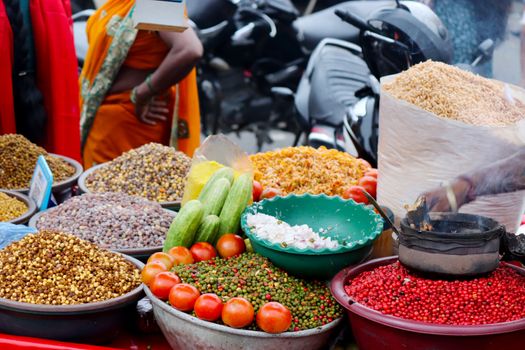
Malaysian street food is a dazzling tapestry of tastes, sights, and aromas that captures the heart of anyone eager to immerse themselves in the country’s culinary scene. For first-timers, the sheer variety of dishes and the vibrant energy of the street food markets can feel overwhelming. But it’s also exactly this diversity and excitement that makes Malaysian street food an unforgettable adventure. Whether you’re strolling the bustling streets of Penang, Kuala Lumpur, or Kuching, every bite tells a story of Malaysia’s multicultural heritage. This guide will equip you with the knowledge, tips, and confidence to dive into your first Malaysian street food experience—helping you navigate the stalls, understand the flavors, and make the most of your culinary journey.
The Melting Pot: Understanding the Roots of Malaysian Street Food
Malaysia’s street food scene is a direct reflection of its multicultural society. The country is home to three major ethnic groups—Malay, Chinese, and Indian—each contributing unique flavors and techniques to the local cuisine. Over centuries, these influences have blended with indigenous, Thai, Javanese, and even colonial British and Portuguese touches, resulting in a street food culture that’s both unique and endlessly varied.
For example, the aromatic spices of Malay satay, the wok-hei (breath of the wok) in Chinese char kway teow, and the rich, creamy broths of Indian-inspired curry laksa are all staples you’ll find side by side at any bustling market. According to Malaysia’s Ministry of Tourism, over 1,000 distinct dishes can be found in the country’s street food scene, making it one of the world’s most diverse.
.png)
One notable statistic: In 2023, Malaysia welcomed more than 26 million food-motivated tourists, with over 70% of them citing street food as a key reason for their visit. The country’s street food has not only become a tourist attraction but a point of national pride.
Must-Try Malaysian Street Food Dishes for First-Timers
Knowing where to start can be a challenge when every stall offers something tempting. Here’s a breakdown of the top must-try dishes that encapsulate the essence of Malaysian street food:
1. Nasi Lemak: Often called Malaysia’s national dish, nasi lemak is a fragrant rice dish cooked in coconut milk, served with sambal (a spicy chili paste), fried anchovies, peanuts, hard-boiled egg, and cucumber. Variations may include fried chicken or rendang. 2. Char Kway Teow: This stir-fried noodle dish combines flat rice noodles, prawns, egg, bean sprouts, chives, and Chinese sausage, all cooked over high heat with soy sauce and chili paste. 3. Satay: Skewered and grilled meats—usually chicken or beef—served with a rich peanut sauce, cucumber, and rice cakes. 4. Roti Canai: A flaky, crispy Indian-style flatbread often served with dhal (lentil curry) or chicken curry. 5. Assam Laksa: A tangy, spicy noodle soup from Penang, featuring mackerel, tamarind, lemongrass, and thick rice noodles. 6. Cendol: For dessert, try this sweet treat made from shaved ice, coconut milk, green rice flour jelly, and palm sugar syrup.Each region of Malaysia has its own specialties—Penang is famed for its street food and is considered by many as the food capital of Malaysia, while Kuala Lumpur and Malacca offer their own unique variations and local favorites.
Navigating the Street Food Scene: Markets, Hawker Centers, and Night Bazaars
Malaysian street food is everywhere, but the real action happens in lively markets, hawker centers, and night bazaars. Here’s what you need to know to make the most of your visit:
- Markets: Wet markets like Kuala Lumpur’s Chow Kit or Penang’s Cecil Street Market are great for morning eats and watching local life unfold. - Hawker Centers: These open-air food courts, often found in urban areas, offer a wide range of stalls, communal seating, and affordable prices. Gurney Drive in Penang and Jalan Alor in Kuala Lumpur are two famous examples. - Night Bazaars: Known locally as “pasar malam,” these evening markets pop up in neighborhoods across the country, offering everything from grilled meats to snacks and desserts.The best time to visit is usually between 6 PM and midnight, when the energy is high and the full spectrum of food is available. For the most authentic experience, look for stalls packed with locals—this is usually a sign of both quality and food safety.
Street Food Safety: Tips for a Healthy and Happy Experience
Trying street food for the first time can be intimidating, especially if you’re worried about food safety. The good news is that, with a few common-sense precautions, you can enjoy Malaysian street food with confidence.
- Follow the Crowd: Choose stalls that are busy and have a high turnover of food, as this means ingredients are fresh and dishes are made to order. - Watch the Preparation: Opt for food that’s cooked or fried right in front of you. Avoid pre-cooked dishes that have been sitting out. - Use Hand Sanitizer: Many markets provide hand-washing stations, but carrying your own sanitizer is wise. - Drink Bottled Water: Tap water in Malaysia is generally safe in urban areas, but bottled water is a safer bet, especially if you have a sensitive stomach. - Mind the Spice: Malaysian food can be spicy! If you’re not used to chili heat, ask for “kurang pedas” (less spicy) or “tak pedas” (not spicy).A survey by the Malaysian Ministry of Health in 2022 found that 92% of tourists who sampled street food reported no foodborne illness, a testament to the improving hygiene standards among reputable vendors.
Budget-Friendly Feasting: How Much Does Malaysian Street Food Cost?
One of the greatest joys of Malaysian street food is its affordability. You can indulge in a feast of local favorites without breaking the bank. Here’s a comparison table of average street food prices (as of early 2024):
| Dish | Average Price (MYR) | Average Price (USD) | Portion Size |
|---|---|---|---|
| Nasi Lemak | 3 - 7 | 0.65 - 1.50 | Single serving with sides |
| Char Kway Teow | 6 - 10 | 1.30 - 2.20 | Large plate |
| Satay (per stick) | 1 - 2 | 0.22 - 0.43 | One skewer |
| Roti Canai | 1.50 - 3 | 0.33 - 0.65 | One piece with curry |
| Cendol | 3 - 6 | 0.65 - 1.30 | Small bowl |
On average, a hearty meal at a street food market will cost between MYR 8 and 15 (USD 1.75 - 3.30), making it accessible for travelers on any budget. This affordability is a major reason why Malaysia consistently ranks among Asia’s top destinations for food lovers.
Street Food Etiquette: Local Customs and Eating Like a Malaysian
To fully enjoy your Malaysian street food adventure, it helps to know a few local customs and basic etiquette:
- Seating: In hawker centers, it’s common to share tables with strangers. Just ask, “Boleh duduk?” (May I sit?) before taking a seat. - Payment: Most stalls accept cash only, and you typically pay after receiving your food. Small notes and coins are appreciated. - Order at the Stall: Unlike restaurants, you order and pay at the specific stall, not through table service. - Utensils: Some dishes are eaten with hands (especially Malay and Indian food), while others use chopsticks, forks, spoons, or both. Don’t be shy to ask for utensils if you need them. - Don’t Waste Food: Malaysians value not leaving food uneaten, so order only what you can finish or ask to pack leftovers.These small gestures go a long way in showing respect for local culture—and might even earn you a smile or two from your fellow diners.
Falling in Love with Malaysian Street Food: The Journey Begins
Your first foray into Malaysian street food will likely be a sensory overload—in the best possible way. From smoky grills to bubbling pots, each stall offers a new adventure for your taste buds, and every bite is a window into Malaysia’s rich heritage. Whether you’re savoring your first nasi lemak at a bustling market, slurping laksa under neon lights, or cooling off with cendol on a humid evening, you’re not just eating—you’re participating in a living tradition.
Remember, the best part of Malaysian street food is the spirit of discovery. Be curious, ask questions, and don’t be afraid to try something new. The friendliness of local vendors and the camaraderie of communal tables make every meal a chance to connect and create memories. So grab a seat, dig in, and let your Malaysian street food adventure begin!