Malaysian cuisine is a vibrant tapestry of aromas and flavors, woven together by centuries of cultural interplay and an abundance of natural ingredients. From the bustling street markets of Kuala Lumpur to the tranquil seaside stalls of Penang, the sensory experience of Malaysian food is as diverse as its people. The cuisine is celebrated for its bold spices, fragrant herbs, and harmonious blending of Malay, Chinese, Indian, and indigenous influences. In this article, we delve deep into the aromas and flavors that define Malaysian cooking, exploring how history, geography, and tradition come together in every irresistible bite.
The Melting Pot of Malaysian Culinary Traditions
Malaysia’s unique position as a crossroads of trade and migration has shaped its culinary landscape over hundreds of years. The country’s population is made up of three main ethnic groups: Malay, Chinese, and Indian, alongside significant indigenous communities such as the Orang Asli and the peoples of Sabah and Sarawak. Each group has contributed distinct flavors, cooking techniques, and ingredients, resulting in a cuisine that is both complex and harmonious.
For example, the Malay influence is evident in dishes such as rendang—a slow-cooked beef stew rich in coconut milk and spices—while Chinese settlers introduced stir-frying and noodles, typified by char kway teow, a smoky, soy-laden noodle dish. Indian migrants brought aromatic curries and breads like roti canai. Over time, these elements have fused, leading to uniquely Malaysian creations such as nasi lemak, often called the national dish, which combines coconut rice, anchovies, peanuts, egg, and spicy sambal.
.png)
According to the Malaysia External Trade Development Corporation (MATRADE), over 80% of Malaysians eat rice as a staple, while more than 60% regularly consume spicy foods. This strong preference for aromatic spices and herbs underpins the national palate.
The Essential Aromatic Ingredients of Malaysian Cooking
The first thing that strikes visitors to a Malaysian kitchen is the heady fragrance of fresh herbs and spices. Malaysian cooks rely on a palette of aromatic ingredients to build depth and complexity in every dish.
Key ingredients include:
- Lemongrass: With its citrusy, floral notes, lemongrass is used in everything from soups to curries, imparting a refreshing aroma. - Galangal and Ginger: Both add warmth and a peppery kick, essential in spice pastes known as rempah. - Kaffir Lime Leaves: These leaves lend a distinct, zesty fragrance, especially in dishes from the northern states. - Pandan Leaves: Often called “Asian vanilla,” pandan is used to flavor desserts and rice, infusing a sweet, grassy scent. - Curry Leaves: Common in Indian-Malaysian dishes, curry leaves release an earthy, nutty aroma when fried.Spices like star anise, cinnamon, cardamom, and cloves are integral to the spice blends that flavor laksa (spicy noodle soup) and rendang. Fresh chilies and dried chili paste (cili boh) provide heat and color, while belacan (fermented shrimp paste) adds a pungent umami depth.
A 2022 survey by the Malaysian Society of Food Technologists reported that over 75% of Malaysians consider the fragrance of herbs and spices as a key factor in their enjoyment of local food.
Signature Flavors: Sweet, Spicy, Sour, and Umami
Malaysian cuisine is a masterclass in balancing flavors. The interplay of sweet, spicy, sour, and umami elements creates dishes that are both bold and nuanced.
Sweetness often comes from coconut milk or palm sugar (gula Melaka), particularly in desserts such as kuih (bite-sized snacks) and cendol (shaved ice dessert with pandan jelly). Spiciness is delivered through chilies and pepper, ranging from the mild heat of ayam masak merah (red-cooked chicken) to the fiery sambal belacan.
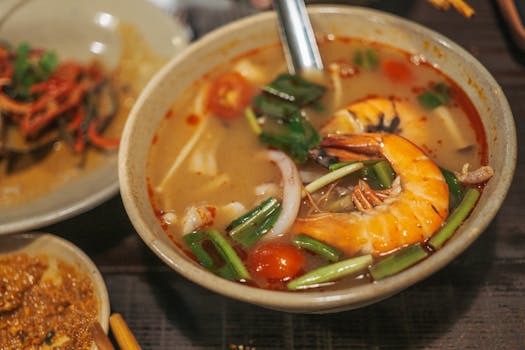
Sourness is introduced with tamarind, lime juice, or asam gelugur (a sour fruit), brightening dishes like asam laksa—a tangy, fish-based noodle soup ranked 7th in CNN's 2023 list of the world’s best soups. Umami, the elusive fifth taste, is found in fermented products such as soy sauce, salted fish, and belacan, as well as ground dried shrimp and anchovies.
The following table illustrates the predominant flavor profiles in some of Malaysia’s most beloved dishes:
| Dish | Main Flavor(s) | Key Aromatic Ingredients | Region of Origin |
|---|---|---|---|
| Nasi Lemak | Sweet, Spicy, Umami | Pandan, coconut milk, sambal | Nationwide |
| Penang Asam Laksa | Sour, Spicy | Tamarind, torch ginger, mackerel | Penang |
| Rendang | Spicy, Umami | Lemongrass, galangal, coconut milk | Minangkabau/Malay |
| Char Kway Teow | Umami, Smoky | Soy sauce, garlic, Chinese sausage | Penang |
| Roti Canai with Dhal | Savory, Mildly Spicy | Curry leaves, cumin, turmeric | Indian-Malay |
Street Food Aromas: The Soul of Malaysian Cities
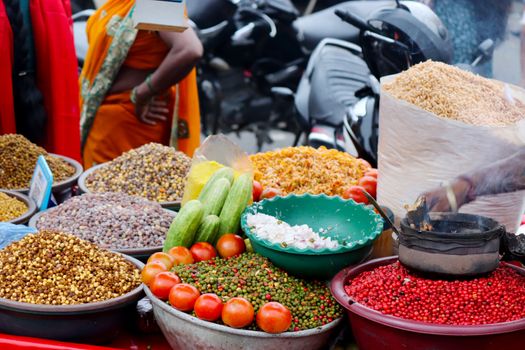
One cannot talk about Malaysian cuisine without mentioning its legendary street food. The open-air markets and hawker centers are a riot of scents: grilling satay skewers, steaming bowls of noodle soup, and the ever-present aroma of frying garlic and shallots.
Satay, for instance, is marinated meat grilled over charcoal and served with a rich peanut sauce. The smoke from the grill mingles with the sweet, spicy marinade, creating an irresistible aroma that draws crowds from afar. Similarly, the frying of onions, garlic, and shrimp paste for char kway teow gives the dish its characteristic “wok hei” or “breath of the wok”—a smoky flavor prized by food enthusiasts.
According to a 2019 report by Tourism Malaysia, food tourism accounts for 34% of all visitor spending, with Penang, Kuala Lumpur, and Melaka ranked as top street food destinations. Over 20,000 hawker stalls operate throughout the country, each with their own signature scent and flavor.
Regional Flavors: A Culinary Map of Malaysia
Malaysia’s geography—from the rainforests of Borneo to the coastal plains of the Peninsula—has given rise to regional specialties, each with its own aromatic identity.
In Penang, the Peranakan (Straits Chinese) cuisine shines with dishes like nasi ulam, a herb-infused rice salad featuring up to 10 different local herbs. The north is also famous for asam laksa, distinguished by its use of torch ginger flower and tamarind.
In the southern state of Johor, laksa Johor sets itself apart with spaghetti noodles (a colonial influence) and a rich fish gravy, flavored with dried shrimp and coconut milk.
East Malaysia—Sabah and Sarawak—offers wild, earthy flavors, using indigenous ingredients such as torch ginger, wild ferns (paku), and buah keluak (a type of black nut). Sarawak laksa, for example, combines over 20 different spices and herbs in its base paste.
Statistics from the Department of Statistics Malaysia in 2020 show that nearly 70% of Malaysians enjoy dishes from different regions at least once a month, reflecting the nation’s appetite for culinary diversity.
The Role of Aroma in Malaysian Food Culture
In Malaysian food culture, aroma is as important as taste. The act of preparing spice pastes, frying aromatics, or steaming pandan leaves is a sensory ritual that brings families together and marks festive occasions.
During Hari Raya, the air fills with the scent of lemang (glutinous rice cooked in bamboo) and rendang. At Chinese New Year, the aroma of pineapple tarts and bak kwa (barbecued meat) heralds celebration. Indian Malaysians mark Deepavali with the heady fragrance of spiced curries and sweets.
The importance of aroma is not just cultural but scientific. Research from Universiti Putra Malaysia found that the aroma of foods like nasi lemak and satay stimulates appetite and can enhance the overall eating experience, making meals more satisfying and memorable.
Savoring the Aromas and Flavors of Malaysian Cuisine: A Culinary Adventure
Malaysian cuisine is a sensory adventure, defined by its aromatic complexity and bold flavors. Whether you are savoring a simple bowl of coconut rice or navigating the lively chaos of a night market, each dish tells a story of migration, adaptation, and celebration. Understanding the balance of sweet, spicy, sour, and umami flavors—and the aromatic ingredients that bring them to life—is the key to appreciating what makes Malaysian food truly unique.
For travelers and food lovers alike, exploring the aromas and flavors of Malaysia is more than just a meal—it’s an immersion into a culture that values hospitality, diversity, and joy in every bite.