The Malaysian Lifestyle: A Unique Asian Experience
Malaysia is a country like no other in Southeast Asia, celebrated for its vibrant mix of cultures, lush natural landscapes, and a lifestyle that seamlessly blends centuries-old traditions with modern living. The Malaysian lifestyle stands apart as a unique Asian experience, not simply for its diversity but also for its harmonious coexistence of different ethnicities, religions, and customs. Whether you’re a visitor, expatriate, or someone considering a move, discovering the nuances of daily life in Malaysia offers a fascinating glimpse into how multiculturalism, community, and innovation shape its people and their way of life.
The Melting Pot: Multiculturalism at the Heart of Malaysian Living
One of the most striking features of the Malaysian lifestyle is its multicultural composition. Malaysia is home to over 32 million people, with three main ethnic groups: Malays (about 63%), Chinese (24%), and Indians (7%), along with various indigenous communities, collectively known as Orang Asli in Peninsular Malaysia and Bumiputera in East Malaysia. This diverse demographic is not just reflected in festivals and cuisine but also in language, architecture, and everyday social interactions.
Malaysia recognizes Bahasa Malaysia as its official language, but English, Mandarin, Tamil, and dozens of local dialects are commonly spoken. Multilingualism is a norm, especially in urban areas such as Kuala Lumpur, Penang, and Johor Bahru. This environment fosters open-mindedness, cross-cultural friendships, and a sense of mutual respect that is rare in many parts of the world.
.png)
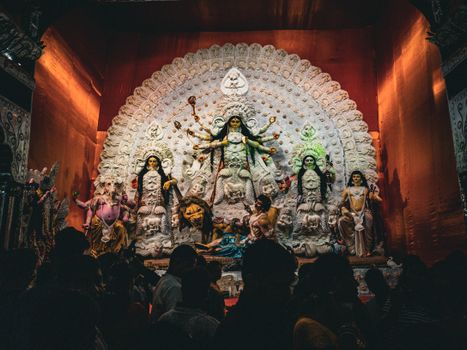
Religious diversity is another hallmark. Islam is the official religion, but Buddhism, Christianity, Hinduism, and traditional beliefs are widely practiced. It is common to see mosques, temples, and churches in close proximity, and major religious festivals such as Hari Raya Aidilfitri, Chinese New Year, Deepavali, and Christmas are celebrated nationwide.
Work and Leisure: Balancing Progress and Tradition
Malaysia’s rapid economic growth since the 1980s has transformed its urban centers into modern metropolises. Kuala Lumpur is now a global city, with gleaming skyscrapers like the iconic Petronas Twin Towers, and thriving business districts. Yet, despite the fast pace of urbanization, Malaysians retain a strong connection to their roots and traditions.
The typical Malaysian workweek runs from Monday to Friday, with business hours from about 9:00 am to 6:00 pm. However, Fridays have a special significance for Muslims, with extended lunch breaks to allow for prayers. In states like Kelantan, Terengganu, Kedah, and Johor, the weekend falls on Friday and Saturday.
Leisure time is precious and often revolves around family and food. Shopping malls and night markets (pasar malam) are social hubs, while parks and nature reserves are popular for family outings. Sports, particularly badminton, football, and sepak takraw, are widely played and watched. Malaysia’s love for festivals means there is almost always a reason to gather, feast, and celebrate, regardless of background.
Living Spaces: From Heritage Homes to High-Rise Condos
Malaysian homes reflect the nation’s diversity and evolving lifestyle. In cities, high-rise condominiums and apartments dominate the skyline, offering facilities such as swimming pools, gyms, and 24-hour security. These are especially popular among young professionals and expatriates.
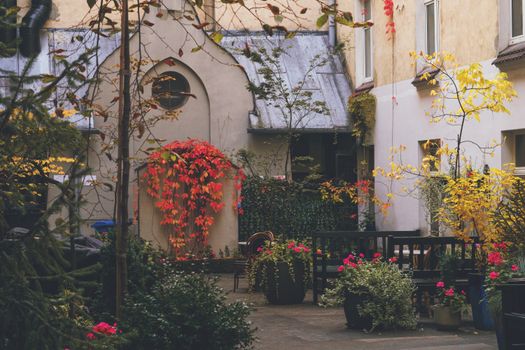
In contrast, many Malaysians still live in traditional houses known as kampung homes, particularly in rural areas. These wooden or stilted houses are designed for tropical climates, with airy interiors and verandas for socializing. The Chinese shophouses of Penang and Malacca, with their colorful facades and courtyards, are heritage icons and have been repurposed into boutique hotels, cafes, and art galleries.
A growing trend is the gated community, providing enhanced security and communal amenities. However, housing affordability remains a concern, especially in urban centers. According to the National Property Information Centre, the median house price in Malaysia in 2023 was RM 320,000 (about USD 70,000), with Kuala Lumpur and Penang among the most expensive states.
Food, Festivals, and Social Life: The Pulse of Malaysia
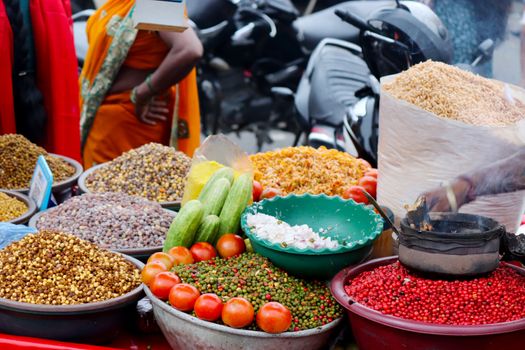
Malaysian cuisine is often described as a culinary mosaic, with influences from Malay, Chinese, Indian, and indigenous traditions. Local markets, hawker stalls, and food courts are integral to daily life, serving up favorites like nasi lemak, char kway teow, roti canai, and laksa. A recent survey by YouGov in 2022 found that 80% of Malaysians eat out at least once a week, highlighting the importance of communal dining.
Festivals are a major part of the social calendar. Open houses—where families invite friends and neighbors regardless of ethnicity or religion—are common during festive seasons. This fosters community spirit and intercultural understanding. Notably, Malaysia is the only country where Thaipusam, a Hindu festival, is a national event, attracting over a million devotees and tourists annually to Batu Caves.
The Malaysian sense of community extends to neighborhood activities, charity drives, and local sports. Family is central, with extended families often living nearby or under one roof. Respect for elders and community leaders is deeply ingrained, and hospitality to guests is a cherished value.
Nature, Wellness, and Outdoor Living
Malaysia’s natural beauty is legendary, from the rainforests of Borneo to the coral reefs of the Perhentian Islands. Outdoor activities are an essential part of the Malaysian lifestyle, with hiking, jungle trekking, birdwatching, and island-hopping among the favorites. Malaysia boasts 25 national parks and reserves, covering over 13% of its land area.
Wellness is also gaining prominence. Traditional healing practices, such as Malay urut (massage), Chinese medicine, and Indian Ayurveda, are widely available alongside modern spas and health clubs. Urban Malaysians are increasingly embracing yoga, pilates, and fitness classes, while rural communities continue to rely on herbal remedies and natural therapies.
Climate plays a big role in daily routines. With temperatures averaging 27°C (80°F) year-round and high humidity, Malaysians favor light clothing and often plan outdoor activities in the early morning or late afternoon. Rain is frequent, especially during the monsoon seasons (May–September and November–March), shaping everything from commuting patterns to social events.
Cost of Living and Daily Expenses: How Malaysia Compares
Malaysia is often ranked as one of the more affordable countries in Asia, both for locals and expatriates. The affordability of daily expenses—especially food, transportation, and healthcare—contributes to a comfortable lifestyle for many. To illustrate how Malaysia compares to other Asian nations, here’s a comparative overview:
| Country | Average Monthly Rent (City Center, 1-Bedroom) | Cost of Meal at Inexpensive Restaurant | Monthly Public Transport Pass | Numbeo Cost of Living Index (2023) |
|---|---|---|---|---|
| Malaysia (Kuala Lumpur) | USD 450 | USD 2.75 | USD 25 | 39.5 |
| Singapore | USD 2,200 | USD 10 | USD 95 | 62.1 |
| Thailand (Bangkok) | USD 600 | USD 2.50 | USD 35 | 51.6 |
| Indonesia (Jakarta) | USD 400 | USD 2.00 | USD 15 | 36.0 |
The table reveals that while Kuala Lumpur is more affordable than Singapore and Bangkok, it offers a higher standard of living than many regional capitals. Healthcare is another strong point—Malaysia ranked among the top five countries in the Global Retirement Index 2023 for “Best Healthcare in the World,” thanks to its modern hospitals and affordable services.
Digitalization and Connectivity: The Modern Malaysian Edge
Malaysia is embracing digital transformation at an impressive pace. By 2023, internet penetration reached 96.8%, making Malaysia one of Southeast Asia’s most connected countries. Urban Malaysians are avid users of social media, e-commerce, and digital banking. Mobile wallets like Touch ‘n Go and GrabPay are widely used, and food delivery services such as GrabFood and Foodpanda have become daily conveniences.
Education and remote work are increasingly digital, a trend accelerated by the COVID-19 pandemic. Many Malaysians now work from home or in flexible coworking spaces, especially in cities. Government initiatives like the Malaysia Digital Economy Blueprint aim to make the country a regional leader in tech innovation and digital entrepreneurship.
Yet, the digital divide remains a challenge in rural areas, where internet access may be limited or unreliable. Efforts are underway to bridge this gap, with government investment in rural broadband and digital literacy programs.
Final Thoughts: Why the Malaysian Lifestyle Is Truly Unique
The Malaysian lifestyle is a living testament to the power of diversity, adaptability, and community spirit. It is shaped by centuries of cultural exchange, a respect for tradition, and a readiness to embrace change. From the warm hospitality of its people to the richness of its festivals, food, and landscapes, Malaysia offers an Asian experience like no other.
Whether you’re drawn by the cosmopolitan buzz of Kuala Lumpur, the heritage charm of Penang, or the tranquility of Borneo’s rainforests, you’ll find that life in Malaysia is defined by balance—between old and new, east and west, and individuality and togetherness. This unique blend is what makes the Malaysian lifestyle not just appealing, but truly unforgettable.