The Brazilian rainforest, often simply called the Amazon, is a realm of astonishing beauty and unparalleled biodiversity. Stretching across nine countries but predominantly occupying Brazil, this vast green expanse is the largest tropical rainforest on Earth, covering over 5.5 million square kilometers. But the Amazon is far more than a geographical wonder; it is a living, breathing hotspot of species richness, ecological complexity, and cultural significance. As humanity faces mounting environmental challenges, understanding the importance of the Brazilian rainforest and its biodiversity has never been more crucial. Join us as we explore the ecological marvels, scientific significance, and ongoing threats to this natural treasure.
The Scale and Significance of the Brazilian Rainforest
Few places on Earth rival the scale of the Brazilian rainforest. Approximately 60% of the Amazon rainforest lies within Brazil’s borders, making it a central player in global ecological health. This immense forest is home to an estimated 390 billion individual trees representing around 16,000 different species. The Amazon’s sheer size means it plays a pivotal role in regulating the planet’s climate, producing about 20% of the world’s oxygen and storing massive quantities of carbon dioxide.
But the significance goes beyond numbers. The Brazilian rainforest is a vital water source, with the Amazon River—by far the world’s largest river by discharge volume—draining nearly 7 million square kilometers. Every minute, the rainforest releases approximately 20 billion tons of water vapor into the atmosphere, influencing rainfall patterns across South America and even as far away as the United States and Africa.
.png)
Unmatched Biodiversity: Species Richness in the Amazon
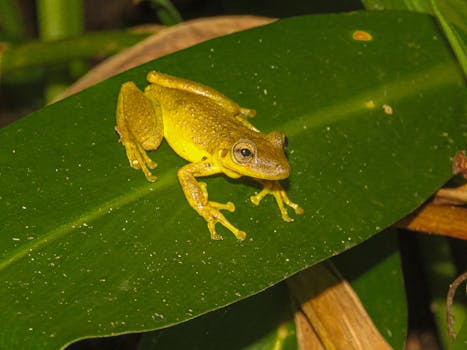
The Amazon’s title as a biodiversity hotspot is well-earned. It houses roughly 10% of all known species on the planet, from towering ceiba trees to elusive jaguars and vibrant poison dart frogs. Here are some eye-opening statistics:
- Over 2.5 million insect species are estimated to reside in the Amazon. - More than 400 mammal species, including iconic animals like the Amazon river dolphin and the capybara. - Nearly 1,300 bird species, making it one of the world’s richest avian regions. - Around 3,000 species of fish, including the infamous piranha and the colossal arapaima. - Over 40,000 plant species, many of which are found nowhere else on Earth.This incredible diversity is not evenly distributed; certain areas, such as the floodplain forests and varzea, teem with unique life forms adapted to the constantly changing water levels. In fact, in just one hectare (2.47 acres) of Amazonian forest, scientists have recorded more than 300 tree species—a number greater than the total found in all of North America.
Ecological Services: The Amazon’s Role in Sustaining Life
Beyond its awe-inspiring diversity, the Brazilian rainforest provides critical ecological services that benefit the entire planet. These include:
- Climate regulation: The Amazon acts as a giant carbon sink, absorbing about 2 billion tons of CO2 annually. This is a crucial buffer against climate change. - Hydrological cycle: By recycling rainfall, the rainforest supports agriculture and human settlements across South America. - Soil protection: The dense vegetation prevents erosion and maintains soil fertility. - Medicinal resources: Approximately 25% of Western pharmaceuticals originate from rainforest plants, and countless more remain undiscovered.The Amazon’s capacity to sustain life goes beyond its borders. Its trees help stabilize the global climate, while its rivers and rainfall underpin food production and water supply for millions.
Indigenous Peoples and Traditional Knowledge
The Brazilian rainforest is not an untouched wilderness; it is home to more than 400 indigenous tribes, with an estimated 180 different languages spoken. These communities have lived in harmony with the forest for millennia, developing intricate knowledge systems that guide their sustainable use of resources.
Indigenous groups such as the Yanomami, Kayapó, and Tikuna rely on the rainforest for food, medicine, and spiritual practices. Their traditional land management techniques, including shifting cultivation and agroforestry, enhance biodiversity and forest resilience. In fact, recent research shows that biodiversity is often higher in indigenous-managed lands than in strictly protected parks.
However, these communities face growing pressures from deforestation, mining, and land grabs. Protecting indigenous rights is not only a matter of justice but also a key strategy for conserving the Amazon’s biodiversity.
Threats to the Brazilian Rainforest: Deforestation and Beyond
Despite its ecological and cultural importance, the Brazilian rainforest is under severe threat. Since 1970, nearly 20% of the Amazon has been lost to deforestation, primarily driven by cattle ranching, soy farming, logging, and infrastructure development. In 2022 alone, over 10,000 square kilometers of forest were cleared in Brazil—a rate equivalent to losing an area the size of New York City every month.
Deforestation has far-reaching impacts:
- Loss of habitat for countless species, pushing many toward extinction. - Increased greenhouse gas emissions, accelerating global warming. - Disruption of rainfall patterns, threatening agriculture across South America.Illegal mining and logging further degrade the forest, introducing mercury and other pollutants into rivers and soils. Meanwhile, climate change compounds these threats, increasing the frequency of droughts and wildfires.
| Threat | Main Cause | Annual Impact (2022) | Key Consequence |
|---|---|---|---|
| Deforestation | Cattle ranching, agriculture | 10,000+ km² lost | Habitat loss, carbon emissions |
| Illegal mining | Gold extraction | Thousands of hectares affected | Water pollution, community displacement |
| Logging | Timber demand | Estimated 30% illegal | Forest degradation |
| Climate Change | Drought, fires | Increased frequency of extreme events | Forest dieback, species loss |
Conservation Efforts and Future Prospects for Amazon Biodiversity
Amid these threats, there are reasons for hope. Brazil has established a network of protected areas covering about 43% of its portion of the Amazon. These include national parks, biological reserves, and indigenous lands. International initiatives, such as the Amazon Cooperation Treaty Organization (ACTO) and the United Nations REDD+ program, aim to incentivize conservation and sustainable development.
Recent years have seen increased investment in sustainable livelihoods for local communities, such as eco-tourism, non-timber forest products (like Brazil nuts and açaí berries), and renewable energy projects. Research and citizen science are flourishing, with new species still being discovered at a remarkable rate—between 2014 and 2015 alone, scientists identified 381 new species of plants and animals in the Amazon.
Protecting the rainforest requires a multi-faceted approach:
- Strengthening law enforcement to combat illegal activities. - Supporting indigenous land rights and traditional knowledge. - Promoting sustainable agriculture and forestry. - Raising international awareness and support.The future of the Brazilian rainforest will depend not only on governmental policies but also on consumer choices, global cooperation, and the resilience of the forest itself.
Why Protecting the Brazilian Rainforest Matters for Everyone
The Brazilian rainforest is more than a regional treasure—it is a global lifeline. Its biodiversity supports not only the people and wildlife of South America but also the stability of Earth’s climate and the well-being of future generations. From the air we breathe to lifesaving medicines and new scientific discoveries, the Amazon’s gifts are incalculable.
Yet, its fate hangs in the balance. Each decision made today—whether by policymakers, corporations, or consumers—shapes the future of this irreplaceable ecosystem. As awareness grows and conservation efforts expand, there is hope that the Brazilian rainforest will continue to thrive as a beacon of biodiversity and natural wonder for centuries to come.