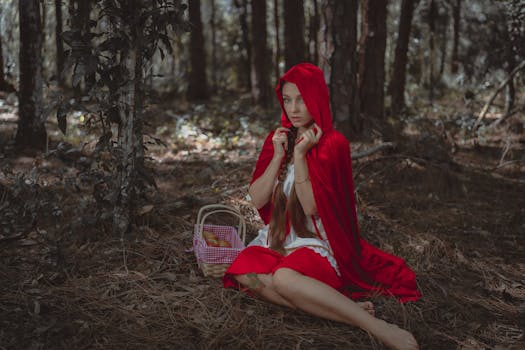
Ireland, a country renowned for its enchanting beauty and mythical tales, beckons travelers and dreamers alike. Beyond its famed green hills, Ireland is a tapestry woven from ancient legends, dramatic coastlines, and vibrant modern culture. Whether you seek the haunting echoes of Celtic folklore, the pulse of lively cities, or the peace of remote countryside, Ireland offers a journey that stirs the soul and awakens the imagination. In this article, we’ll embark on an exploration of Ireland’s legendary landscapes, delve into its fascinating past, and discover how its myths and natural wonders continue to inspire all who visit.
Myth and Magic: Ireland’s Legendary Heritage
Ireland’s history is deeply intertwined with legend. From tales of fairies and leprechauns to heroic sagas of warriors and kings, the island’s mythology is as lush as its rolling fields. The ancient Celts, who arrived around 500 BC, left a legacy of oral storytelling that survives today in folklore, poetry, and song.
One of Ireland’s most famous mythological cycles is the Ulster Cycle, featuring legendary heroes like Cú Chulainn, whose superhuman feats are still celebrated. The Hill of Tara, once the seat of the High Kings of Ireland, is believed to be a portal to the Otherworld—a mystical realm said to be home to the Tuatha Dé Danann, Ireland’s supernatural race.
.png)
Nearly every region boasts its own legendary sites. In County Sligo, Benbulben mountain looms over the landscape—a striking backdrop to tales of Fionn mac Cumhaill and the Fianna warriors. Meanwhile, the mysterious Giant’s Causeway in Northern Ireland, with its 40,000 interlocking basalt columns, is said to be the handiwork of the giant Finn McCool.
Even today, belief in the supernatural persists in rural communities. “Fairy trees” are left undisturbed, and ancient stone circles are treated with reverence. According to a 2017 Ipsos MRBI poll, 46% of Irish people said they believed in the possibility of fairies or leprechauns, showing how myth remains interwoven with modern life.
Landscapes of Wonder: From Cliffs to Countryside
Ireland’s landscapes are as storied as its legends. The country’s nickname, “the Emerald Isle,” is well-earned: thanks to its temperate climate and abundant rainfall, Ireland boasts 80% green land cover, making it one of the greenest countries in Europe. But the scenery is far from uniform.
The west coast features the dramatic Cliffs of Moher, rising 214 meters above the Atlantic. These cliffs draw over 1.6 million visitors annually and are frequently ranked among the world’s most breathtaking viewpoints. Further south, the Ring of Kerry offers a scenic drive through mountains, lakes, and coastal villages—a living postcard of Ireland’s rural charm.
In the east, the Wicklow Mountains are a haven for hikers, with 130 kilometers of marked trails winding through heather-clad hills and glittering lakes. The Glendalough Valley, with its ancient monastic ruins, is especially popular for those seeking tranquility and a sense of history.
For a taste of island life, the Aran Islands off the Galway coast are renowned for their rugged landscapes and Gaelic traditions. Inis Mór, the largest, is home to the prehistoric fort of Dún Aonghasa, perched atop sheer cliffs—a testament to the island’s enduring connection to its past.
Living Culture: Music, Language, and Festivals
Ireland’s culture is celebrated worldwide, from the infectious rhythms of traditional music to the lyrical beauty of the Irish language (Gaeilge). Ireland has produced four Nobel Laureates in Literature—W.B. Yeats, George Bernard Shaw, Samuel Beckett, and Seamus Heaney—reflecting its deep literary roots.
Live music is the heartbeat of Irish towns and cities. In places like Galway and Doolin, pubs come alive at night with impromptu sessions featuring fiddles, flutes, and bodhráns. The annual Fleadh Cheoil, the world’s largest festival of Irish music, draws over 500,000 visitors each year.
The Irish language, spoken by around 1.7 million people (with 73,000 using it daily), is a cornerstone of national identity. While English is dominant, regions known as Gaeltachts—primarily in western counties—preserve and promote the native tongue. Initiatives like TG4, the Irish-language television channel, and bilingual road signs help keep the language vibrant.
Festivals are another key aspect of Irish culture. St. Patrick’s Day, celebrated on March 17, sees cities awash in green and is marked by parades, music, and storytelling. Other notable events include the Galway International Arts Festival and Puck Fair, one of Ireland’s oldest fairs, held in Killorglin.
Historic Treasures: Castles, Monasteries, and Ancient Wonders
Ireland’s landscape is dotted with relics of its storied past. Over 30,000 castles and castle ruins can be found across the country, each with its own tale. Blarney Castle, near Cork, is perhaps the most famous—home to the legendary Blarney Stone, which bestows the “gift of the gab” upon those who kiss it. Every year, more than 400,000 visitors scale the castle’s narrow steps for a chance to perform the ritual.
Elsewhere, the Rock of Cashel in County Tipperary is a striking ensemble of medieval buildings perched atop a limestone outcrop. Once the seat of the Kings of Munster, it remains one of the country’s most visited heritage sites.
Monastic ruins, like those at Clonmacnoise and Glendalough, offer a window into Ireland’s early Christian era. Founded in the 6th century, Clonmacnoise was once a center of learning and pilgrimage, attracting scholars from across Europe. Today, its round towers and high crosses stand as silent witnesses to centuries of history.
For an even older perspective, Newgrange in County Meath is older than Stonehenge or the Great Pyramids of Giza. This passage tomb, built around 3200 BC, is aligned so that sunlight illuminates its inner chamber during the winter solstice—a feat of ancient engineering that draws thousands of visitors for the annual event lottery.
Modern Ireland: Innovation, Sustainability, and Tourism
While Ireland is steeped in tradition, it has embraced modernity with vigor. The country’s economy is among the fastest-growing in the European Union, with a 2023 GDP growth rate of 2.1%. Dublin, the vibrant capital, is a hub for tech giants like Google, Facebook, and Apple, earning it the nickname “Silicon Docks.”
Sustainability is also at the forefront of Ireland’s national agenda. The government has committed to generating 80% of electricity from renewable sources by 2030, and more than 40% of Irish electricity already comes from wind power—the highest share in the EU as of 2023.
Tourism remains a vital part of the Irish economy, contributing €5.6 billion annually and supporting over 260,000 jobs. While international visitors are drawn by Ireland’s natural beauty and historic sites, domestic tourism is also robust, with 59% of Irish people taking at least one holiday within the country each year.
To illustrate Ireland’s blend of tradition and progress, here’s a comparison of some key aspects of Irish life:
| Aspect | Traditional Ireland | Modern Ireland |
|---|---|---|
| Language | Irish (Gaeilge) predominant in rural areas | English widely spoken; Irish taught in schools |
| Economy | Primarily agriculture and fishing | Technology, pharmaceuticals, tourism |
| Energy | Peat and coal for heating | 40% wind power, goal of 80% renewables by 2030 |
| Music | Traditional folk sessions, céilís | Blend of traditional and contemporary genres |
| Tourism | Local pilgrimages and fairs | Over 11.3 million international visitors in 2019 |
Ways to Experience Ireland: Practical Tips and Unique Adventures
Exploring Ireland is as much about the journey as the destination. With over 2,500 kilometers of designated walking and cycling routes, it’s easy to immerse yourself in the countryside. The Wild Atlantic Way, a 2,600-kilometer coastal drive, is the longest defined coastal route in the world, showcasing everything from remote beaches to friendly villages.
For those interested in heritage, the OPW (Office of Public Works) Heritage Card offers affordable access to over 45 historic sites. The Irish Rail and Bus Éireann networks provide convenient transport between cities and towns, while local guides offer walking tours rich in folklore and local insight.
Unique experiences abound: try learning a few phrases of Irish in a Gaeltacht village, take part in a traditional seaweed foraging workshop on the coast, or attend a storytelling night in a cozy Dublin pub. Foodies will enjoy sampling Irish cheeses, seafood, and the ever-popular soda bread, while whiskey enthusiasts can tour legendary distilleries like Jameson and Bushmills.
Conclusion: Ireland’s Enduring Allure
Ireland’s magic lies in its seamless blend of ancient and modern, myth and reality. Whether you’re tracing the footsteps of legendary heroes, marveling at dramatic coastlines, or tapping your feet to a lively jig, Ireland invites you to become part of its ongoing story. Its landscapes inspire awe, its culture fosters connection, and its people welcome visitors with warmth and wit. In discovering Ireland, you may find yourself enchanted—forever touched by a land where legends live and the grass truly is greener.