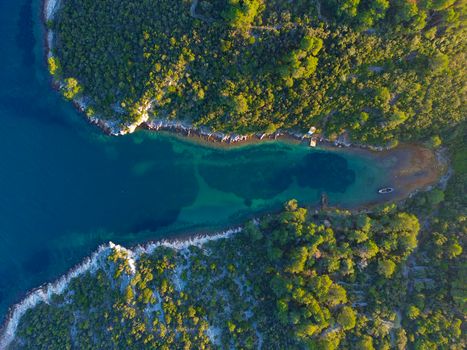
The Mediterranean is world-renowned for its azure waters, sun-drenched coastlines, and vibrant cultures, but for many travelers, the name conjures images of crowded beaches and bustling resorts. Yet, tucked away from the well-trodden paths of the French Riviera and Costa Brava, the Mediterranean hides a treasure trove of secluded beaches—pristine stretches of sand and pebbles known mostly to locals or intrepid adventurers. These secret beaches offer a rare chance to experience tranquility, unspoiled landscapes, and the authentic charm of the Mediterranean. Ready to trade the tourist throngs for secluded serenity? Let’s dive into the hidden gems of the Mediterranean coast.
What Makes a Mediterranean Beach a Hidden Gem?
Not all beaches are created equal, and what sets these secret Mediterranean beaches apart isn’t just their beauty—it’s their exclusivity and authenticity. While famous spots like Nice’s Promenade des Anglais or Mykonos’ Paradise Beach are vibrant and iconic, hidden beaches are often harder to reach, less developed, and offer a more genuine connection to nature and local culture.
A “hidden gem” in Mediterranean terms usually means:
- Limited accessibility: Reachable only by boat, hiking trail, or winding backroads. - Pristine conditions: Minimal tourist infrastructure, clear water, and often protected environments. - Local character: Small fishing villages, untouched coves, or beaches with historic significance. - Uncrowded: Even in peak summer, these beaches rarely see more than a handful of visitors.According to the European Environment Agency, over 85% of monitored Mediterranean beaches meet “excellent” water quality standards, but the most pristine are often those less touched by mass tourism.
.png)
Top Secret Beaches Across the Mediterranean
Let’s explore some of the most enchanting and lesser-known Mediterranean beaches that promise a unique escape.
1. Cala Mitjana, Menorca, Spain
Nestled on Menorca’s southern coast, Cala Mitjana is a horseshoe-shaped cove surrounded by limestone cliffs and pine forests. Unlike the bustling beaches of neighboring Mallorca, Cala Mitjana is accessible only via a 20-minute walk through forested trails from the nearest car park, deterring most day-trippers. The reward is a stretch of soft white sand, turquoise water, and a peaceful atmosphere. Despite its seclusion, Cala Mitjana is just a 30-minute drive from Menorca’s capital, Mahón.2. Agios Sostis, Mykonos, Greece
Mykonos is famous for its glamorous nightlife and packed beaches, but Agios Sostis remains a tranquil exception. Located on the island’s northern coast, this unspoiled sandy beach lacks beach clubs and sunbeds, preserving its natural charm. There’s no direct bus service, so visitors must drive and walk a short distance. A traditional taverna nearby serves fresh seafood and Greek specialties, offering a taste of local hospitality.3. Spiaggia di Cala Luna, Sardinia, Italy
Sardinia boasts some of Europe’s most striking beaches, and Cala Luna is a hidden jewel accessible by boat or a challenging hike through the Supramonte mountains. The crescent-shaped beach is bordered by limestone cliffs riddled with caves, perfect for exploring or sheltering from the midday sun. Cala Luna’s remoteness means you might share the beach with only a few other adventurers, even in August.4. Plage de Saleccia, Corsica, France
Saleccia Beach is a sparkling white-sand paradise on Corsica’s rugged Agriates Desert coast. It’s accessible only by a bumpy off-road track or by boat from Saint-Florent. With no hotels or restaurants in sight, Saleccia offers a Robinson Crusoe experience: just sand, sea, and fragrant maquis shrubland. Wildlife enthusiasts may spot rare Corsican cows roaming the dunes.5. Dhermi Beach, Albania
The Albanian Riviera is one of the Mediterranean’s best-kept secrets, and Dhermi Beach is its crown jewel. Located between the Ionian Sea and the dramatic Ceraunian Mountains, Dhermi offers crystal-clear waters and a laid-back vibe. While the northern end of the beach has some beach bars and small hotels, the southern stretch is largely untouched, perfect for those seeking peace and quiet.How to Find and Access These Hidden Beaches
Reaching these secret Mediterranean beaches often requires a bit of planning and a sense of adventure. Here are practical tips and considerations:
- $1 Visit in late spring (May-June) or early autumn (September-October) when the weather is pleasant and crowds are minimal. - $1 Many hidden beaches are inaccessible by public transport. Be prepared for hikes, boat rides, or renting a car. In Menorca, for example, over 40% of the island’s beaches are reachable only by foot or sea. - $1 Facilities are rare, so bring plenty of water, snacks, sun protection, and a trash bag to keep these places pristine. - $1 Many secret beaches are in protected areas. Follow local guidelines, avoid disturbing wildlife, and never leave waste behind. - $1 Ask locals for directions or tips. Small towns and villages often have unofficial footpaths or boat shuttles that aren’t listed online.Comparison Table: Secret Beach Experiences by Country
| Country | Hidden Beach Example | Accessibility | Facilities | Best Time to Visit |
|---|---|---|---|---|
| Spain (Menorca) | Cala Mitjana | 20-min walk from car park | None (no bars, toilets) | May-June, Sept |
| Greece (Mykonos) | Agios Sostis | Short walk from road | One small taverna | June, Sept |
| Italy (Sardinia) | Cala Luna | Boat or 2-hr hike | Small seasonal bar | May, Sept |
| France (Corsica) | Saleccia | Boat or 4WD vehicle | None | June, Sept |
| Albania | Dhermi | Car, then walk | Basic bars/hotels (north) | June, Sept |
The Environmental Value of Undiscovered Mediterranean Beaches
Secret beaches aren’t just a traveler’s dream—they play a vital role in preserving the Mediterranean’s fragile coastal ecosystems. According to WWF, mass tourism is a significant threat to the Mediterranean coastline, with an estimated 200 million tourists visiting the region each year. Undiscovered beaches, often within protected reserves or remote locations, help maintain biodiversity and act as refuges for rare plants and animals.
For example, Saleccia Beach in Corsica is home to endemic Corsican cows and protected dune ecosystems. Cala Luna’s caves provide breeding grounds for rare birds and bats. By choosing these lesser-known spots and respecting their natural state, visitors contribute to sustainable tourism and help protect these environments for future generations.
Immerse Yourself in Local Culture near Secret Beaches
One of the joys of exploring hidden Mediterranean beaches is the opportunity to connect with authentic local life. Unlike the commercialized resorts of Spain’s Costa del Sol or Italy’s Amalfi Coast, the villages surrounding secret beaches retain traditional customs, cuisine, and architecture.
- In Menorca, after a swim at Cala Mitjana, visit the nearby town of Ferreries to sample Mahón cheese and local gin. - Near Agios Sostis, explore the village of Ano Mera, with its historic monastery and family-run tavernas. - Sardinia’s Cala Luna can be paired with a visit to the town of Dorgali, famous for its artisan crafts and Cannonau wine. - In Dhermi, Albania, stone-built churches and Ottoman-era houses offer a glimpse of the region’s layered history.Supporting local businesses, buying handmade goods, and enjoying regional dishes all help sustain these communities and keep the Mediterranean’s cultural heritage alive.
Planning Your Secret Mediterranean Beach Adventure
To make the most of your journey, consider these practical travel tips:
1. $1 Online forums, local tourism websites, and guidebooks can offer up-to-date information on access and conditions, but often the best advice comes from locals. 2. $1 Remote locations mean fewer lifeguards and emergency services. Always swim with caution and let someone know your plans. 3. $1 Flexibility is key. Many hidden beaches are far from public transport routes. 4. $1 Consider small guesthouses or agriturismos within a short drive or hike of your chosen beach for an immersive experience. 5. $1 Weather, tides, and seasonal closures may affect access. Always have a backup plan or alternative spots in mind.According to a 2023 survey by the European Travel Commission, over 60% of travelers now seek “authentic and uncrowded” destinations—making secret Mediterranean beaches more relevant and desirable than ever.
Why Discovering Secret Mediterranean Beaches Will Transform Your Vacation
Choosing to explore the Mediterranean’s secret beaches offers more than just a beautiful backdrop for your holiday photos. It’s a chance to reconnect with nature, enjoy moments of true tranquility, and experience the region’s unique blend of history, culture, and landscape away from the crowds. Whether you’re hiking to a turquoise cove in Sardinia, savoring local seafood in a tiny Greek taverna, or watching the sunset from a deserted Corsican dune, these hidden gems will create memories to last a lifetime.