Europe’s legendary local markets are a living tapestry of flavors, traditions, and people. Whether perched in the heart of a bustling city or nestled in a sleepy countryside village, these markets offer more than a shopping experience—they provide an intimate look into the soul of a community. For travelers seeking authentic culture and cuisine, local markets are the ideal gateway. This article will guide you through the magic of discovering local markets across Europe, offering insight on how to experience genuine culture, savor regional specialties, and make the most of every visit.
The Role of Local Markets in European Culture
Local markets have been at the heart of European life for centuries, acting as meeting points, trade hubs, and social centers long before modern supermarkets existed. In medieval times, markets were granted charters by kings and city councils, shaping the growth of towns and cities. Today, Europe boasts over 25,000 regular markets, according to the European Market Traders Federation.
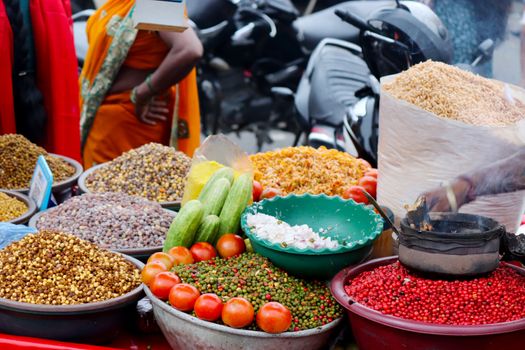
What makes these markets unique is their reflection of local identity. From the flower-filled stalls of Amsterdam’s Bloemenmarkt to the aromatic spice markets of Istanbul, each market tells a story. Market days are still key events in many towns, drawing in farmers, artisans, and families. For locals, markets are a way to connect and celebrate their heritage; for travelers, they’re an invitation to step into daily life.
.png)
Why Local Markets Are the Gateway to Authentic Cuisine
Europe’s regional diversity is best tasted in its markets. Unlike restaurants that may cater to tourists, market stalls offer what’s fresh, seasonal, and beloved by locals. According to a 2022 study by the European Commission, 68% of Europeans buy fresh produce from markets at least once a month, underscoring their continued culinary relevance.
Markets are the perfect place to discover food you won’t find in guidebooks. In Sicily’s Ballarò Market, taste arancini (stuffed rice balls) and panelle (chickpea fritters). In Budapest’s Central Market Hall, sample langos—deep-fried dough topped with sour cream and cheese. These foods are often prepared right before your eyes, so you can watch, learn, and savor.
Beyond prepared foods, markets offer access to artisanal cheeses, cured meats, wild mushrooms, and heirloom fruits that reflect generations of local expertise. Many markets also have areas where you can sit with locals and enjoy a casual meal, providing an authentic, communal dining experience.
Europe’s Must-See Markets by Region: A Comparative Guide
With thousands of markets spread across the continent, where should you start? Here’s a comparison of some of Europe’s most iconic markets, showcasing their unique features and offerings.
| Market | Location | Best For | Unique Feature | Typical Opening Days |
|---|---|---|---|---|
| La Boqueria | Barcelona, Spain | Tapas, fresh produce | Historic iron architecture, over 300 stalls | Monday-Saturday |
| Borough Market | London, UK | Gourmet specialties, street food | Over 1,000 years old, gourmet food stalls | Wednesday-Saturday |
| Marché Bastille | Paris, France | Cheese, pastries, flowers | Largest open-air market in Paris | Thursday, Sunday |
| Rialto Market | Venice, Italy | Seafood, Venetian delicacies | Centuries-old fish market | Tuesday-Saturday |
| Naschmarkt | Vienna, Austria | Fresh produce, international food | Over 120 stalls, multicultural cuisine | Monday-Saturday |
| Great Market Hall | Budapest, Hungary | Hungarian paprika, sausages | Neo-Gothic architecture, three floors | Monday-Saturday |
These markets not only offer a feast for the senses but are also steeped in local history and tradition. Each market has its own rhythm and specialties, making them worth visiting even if you’re not planning to shop.
Tips for Navigating and Enjoying Local Markets
Visiting a European market is a unique adventure, but a little preparation can help you make the most of your experience. Here’s how to dive in like a local:
1. $1: Most markets open by 8 a.m. and are bustling by mid-morning. Early risers enjoy the freshest produce and fewer crowds. In cities like Florence and Munich, early visits mean a quieter, more authentic atmosphere. 2. $1: While some vendors now accept cards, many still prefer cash, especially in smaller towns. Carry coins and small bills. A sturdy bag ensures you can carry your purchases comfortably and sustainably. 3. $1: A friendly “bonjour,” “ciao,” or “guten Tag” goes a long way. Even a simple “thank you” in the local language (such as “grazie” in Italian or “danke” in German) earns goodwill and may lead to generous samples or helpful tips. 4. $1: Vendors are proud of their products. Ask about the origin of the cheese, how to prepare a new vegetable, or the story behind a local delicacy. Not only will you learn more, but you may also discover hidden gems. 5. $1: Sampling is common, especially for cheeses, olives, and cured meats. If you’re offered a taste, it’s polite to show genuine interest. If you’re not planning to buy, avoid overindulging. 6. $1: In some markets, haggling is expected (like Istanbul’s Grand Bazaar); in others, prices are fixed. Watch how locals interact and follow their lead.Uncovering Hidden Gems: Smaller Markets and Rural Fairs
While major city markets draw crowds, Europe’s smaller rural markets offer a different kind of magic. These markets are often the backbone of local economies and the best places to witness age-old traditions.
For instance, in the Dordogne region of France, weekly village markets sell foie gras, truffles, and walnut oil directly from producers. In Slovenia’s Piran, the coastal market brims with fresh Adriatic seafood and local olive oil. The weekly market in Ortigia, Sicily, features fishermen selling their morning catch straight from the boat.
In the UK, farmers’ markets have seen a renaissance. According to the National Farmers' Retail & Markets Association, the number of farmers’ markets in Britain increased from just 75 in 1997 to over 750 today. These markets emphasize traceability and sustainability, often listing the distance food has traveled—from “field to fork.” Visiting these markets supports local farmers and artisans, and the slower pace allows for meaningful conversations and unexpected discoveries.
Immersive Experiences: Cooking Classes and Food Tours at Markets
Many European markets now offer immersive experiences that let visitors do more than shop. Cooking classes that start with a guided market tour are increasingly popular. In Bologna, Italy, for example, you can join a chef to select ingredients at the Mercato delle Erbe and then learn to make traditional tortellini in a nearby kitchen.
Food tours are another way to deepen your market experience. In Athens, guided tours of the Varvakios Agora introduce visitors to Greek olives, cheeses, and street foods, with stories about Greek culinary heritage. These experiences connect you more closely to the local food culture and often end with a communal meal.
Some markets also host seasonal festivals, live music, or craft workshops, turning a simple shopping trip into a full cultural event. For instance, the Christmas markets of Germany and Austria transform town squares into winter wonderlands, where you can sample glühwein (mulled wine), gingerbread, and handmade gifts.
Final Thoughts: Why Local Markets Belong on Every Traveler’s Itinerary
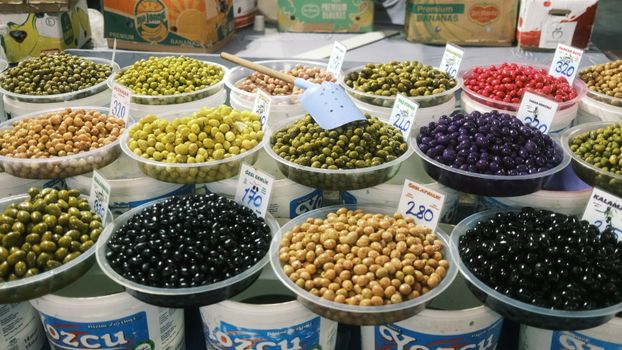
Europe’s local markets are more than just places to buy food—they’re living museums of culture, history, and community. Whether you’re savoring Manchego cheese in Madrid, bargaining for olives in Crete, or watching a fish auction in Bergen, markets provide a direct connection to the people and traditions that define a region.
The numbers speak for themselves: over 60% of European travelers say they seek out local markets when abroad (European Travel Commission, 2023). By exploring these vibrant spaces, you not only taste the best of Europe’s cuisine but also help preserve the unique character of its communities.
On your next European journey, let curiosity lead you to a local market. You’ll return home with unforgettable memories—and perhaps a new favorite recipe.