A Personal Take on Malaysian Culture: Daily Life, Values, and What Makes It Unique
Malaysia is often celebrated for its vibrant festivals, tantalizing cuisine, and colorful markets. But what truly shapes Malaysian culture is the everyday experience—the small rituals, the shared values, the way people interact in homes, neighborhoods, and workplaces. Having lived in Malaysia for over a decade, I’ve seen firsthand how these “ordinary” aspects create an extraordinary social fabric. In this article, I’ll share a personal perspective on Malaysian culture—beyond the tourist brochures and into the real-life rhythms that define this fascinating country.
The Heart of Malaysian Hospitality: Everyday Kindness
One of the first things anyone notices in Malaysia is the deep-rooted culture of hospitality. Whether you’re navigating the bustling streets of Kuala Lumpur or visiting a rural village in Sabah, people are quick to offer a greeting, a smile, or even a helping hand. This warmth is not just reserved for guests; it’s a way of life that permeates daily interactions.
Malaysians have a word for this ethos: “mesra,” meaning friendly or congenial. It’s common for neighbors to exchange home-cooked dishes during festivals, or for strangers to strike up a conversation at a local kopitiam (coffee shop). In fact, a 2019 survey by the Malaysian Tourism Board found that 82% of tourists rated Malaysians as “very friendly,” and over 70% said they felt welcomed by locals during their stay.
.png)
Such hospitality extends to the family unit as well. Multi-generational households are typical, with grandparents, parents, and children living together. This arrangement fosters a sense of unity and shared responsibility, where elders are respected and children grow up learning cultural values firsthand. The importance placed on family ties is evident in daily greetings, where a child might kiss an elder’s hand as a sign of respect—a tradition known as “salam.”
Harmony in Diversity: Coexistence of Cultures and Faiths
Malaysia is one of the world’s most multicultural countries, with Malay, Chinese, Indian, and indigenous groups living side by side. Each community brings its own customs, religious practices, and languages, creating a rich tapestry of traditions that coexist remarkably well.
For example, the major festivals of different faiths—Hari Raya Aidilfitri (Muslim), Chinese New Year (Buddhist/Taoist), Deepavali (Hindu), and Christmas (Christian)—are celebrated nationwide. It’s not unusual for Malaysians to join their friends in open houses during these festivities, sampling each other’s foods and exchanging greetings regardless of religious background.
This spirit of mutual respect is enshrined in the concept of “Muhibbah,” a Malay word that signifies goodwill and harmony among different communities. According to the Department of Statistics Malaysia, as of 2023, the country’s population was approximately 69% Bumiputera (including Malays and indigenous peoples), 23% Chinese, and 7% Indian, with smaller percentages of other ethnicities. Despite differences, shared public spaces, schools, and workplaces are microcosms of this diversity.
A typical school classroom might have students celebrating different holidays and speaking several languages. This multicultural environment instills in Malaysians an ability to switch effortlessly between languages—Malay, English, Mandarin, Tamil, and various dialects—depending on the context and company.
Food as a Social Glue: The Malaysian Table
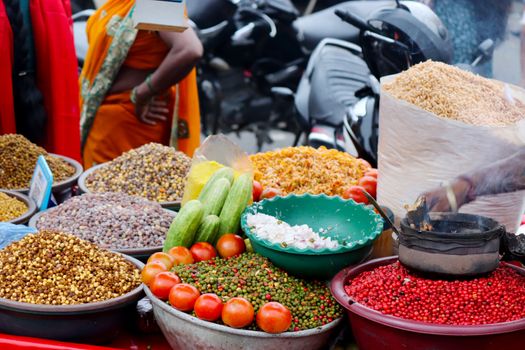
If there’s a single unifying force in Malaysian culture, it’s food. The act of eating together goes beyond sustenance; it’s a daily ritual that brings families, friends, and even strangers together. Meals are rarely solitary affairs—whether it’s nasi lemak for breakfast at a street stall or a communal dinner at home, sharing food is seen as a way of strengthening bonds.
Malaysian cuisine itself reflects the country’s multicultural makeup. A typical food court might offer Malay rendang, Chinese dim sum, Indian banana leaf rice, and indigenous dishes like Sarawak laksa. According to Euromonitor International, Malaysia’s food service market reached RM 65 billion (about USD 14.6 billion) in 2022, a testament to the nation’s love for eating out and exploring culinary diversity.
Food also plays a central role in religious and cultural celebrations. For example, during Ramadan, Muslims break their fast with family and neighbors, often inviting others to join in. Similarly, Chinese New Year “open house” events see homes thrown open for feasting with friends of all backgrounds.
| Occasion | Ethnic Group | Signature Dish | Key Value |
|---|---|---|---|
| Hari Raya Aidilfitri | Malay | Rendang, Ketupat | Forgiveness, Family Unity |
| Chinese New Year | Chinese | Yee Sang, Pineapple Tarts | Prosperity, Reunion |
| Deepavali | Indian | Mutton Curry, Murukku | Light Over Darkness |
| Gawai Dayak | Indigenous (Sarawak) | Pansoh (Bamboo-cooked meat) | Harvest, Gratitude |
Tradition Meets Modernity: Adapting to Change
While tradition forms the backbone of Malaysian culture, the country is also highly adaptive to change. In urban centers like Kuala Lumpur and Penang, you’ll find a fascinating blend of old and new: ancient temples stand next to gleaming skyscrapers, and traditional markets exist alongside high-tech malls.
Digital technology has transformed social interactions and daily life. As of 2023, Malaysia had an internet penetration rate of 97%, one of the highest in Southeast Asia. Social media platforms like WhatsApp, Facebook, and TikTok are widely used to keep in touch, arrange family gatherings, or share festival greetings.
Despite this modern edge, traditional values persist. Respect for elders, hospitality, and religious observance remain central to Malaysian identity. For instance, it’s considered polite to use both hands when giving or receiving something from an elder, and many still remove their shoes before entering homes—a sign of respect that transcends generations.
Malaysians are also adept at navigating between global trends and local customs. It’s not unusual to see young people dressed in Western fashions during the week and donning traditional attire, such as the baju kurung or cheongsam, during festivals or weddings. This cultural flexibility allows Malaysians to honor their heritage while embracing the new.
Community Spirit: Kampung Life and Urban Neighborhoods
Community is at the heart of Malaysian culture, whether in rural villages (kampungs) or urban neighborhoods. Kampung life is often romanticized as the epitome of Malaysian values: everyone knows their neighbors, doors are left unlocked, and celebrations are shared by all.
Even in cities, the “gotong-royong” spirit—community self-help—remains strong. Residents regularly come together for neighborhood clean-ups, festival preparations, or to assist a family in need. This collective mindset is evident in the way Malaysians rally around each other during times of crisis, such as floods or the COVID-19 pandemic.
For example, during the 2021 floods, thousands of Malaysians volunteered to help with rescue operations and distribute food to affected families. Social organizations like the Malaysian Red Crescent Society and grassroots groups mobilized quickly, reflecting an ingrained sense of mutual responsibility.
Urban areas offer their own version of community life. Condominium residents often form committees to manage shared spaces, and parents organize carpool groups for schoolchildren. Traditional “pasar malam” (night markets) serve as social hubs where people from all walks of life mingle, shop, and eat together.
Personal Reflections: Lessons from Malaysian Culture
Living in Malaysia has taught me the value of patience, adaptability, and open-mindedness. Life here moves at its own pace—a concept known as “jam Malaysia” (Malaysian time), which humorously captures the relaxed approach to punctuality. While this can be frustrating for those used to rigid schedules, it also fosters a less stressful, more present-focused way of living.
I’ve also learned the importance of respect—both for tradition and for one another. The simple act of removing one’s shoes before entering a home, or using honorifics like “Encik” (Mr.), “Puan” (Mrs.), or “Aunty/Uncle” for elders, speaks volumes about the cultural emphasis on humility and consideration.
Finally, the diversity of Malaysia is its greatest strength. Every day offers a chance to learn something new—from tasting a different festival dish to picking up a few words in another language. It’s this openness to difference, coupled with a strong sense of community, that makes Malaysian culture so rich and rewarding.