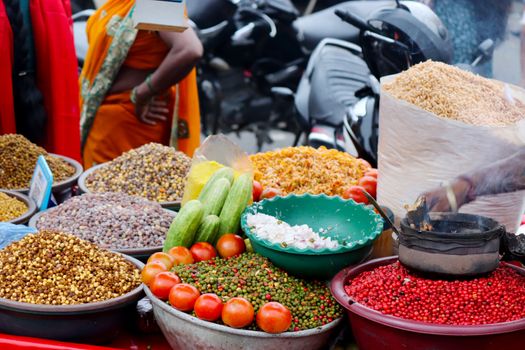
Malaysian cuisine is a vibrant tapestry of flavors, colors, and aromas, woven together by centuries of cultural fusion and culinary ingenuity. From bustling city hawker stalls to family-run rural kitchens, the country’s food scene is as diverse as its multicultural population. The ultimate Malaysian recipe collection isn’t just about listing popular dishes—it’s about celebrating the culinary spirit that unites Malays, Chinese, Indians, and dozens of indigenous groups, each adding their own twist to the national palate.
If you’re ready to embark on a delicious journey through Malaysia’s kitchens, this collection will be your gateway. We’ll explore thematic categories of recipes that capture the essence of Malaysian food: comfort breakfasts, street food wonders, festive feasts, home-cooked classics, and mouthwatering desserts. Along the way, you’ll discover signature ingredients, unique cooking methods, and useful tips for recreating these flavors at home. Whether you’re a seasoned chef or an adventurous home cook, this guide will inspire you to bring the magic of Malaysia to your table.
Malaysian Breakfasts: A Flavorful Start to the Day
Malaysians take breakfast seriously—and for good reason. The morning meal sets the tone for the day, often blending savory, sweet, and spicy elements for an energizing start. Unlike typical Western breakfasts, Malaysian options are hearty, bold, and often eaten outside the home at local kopitiams (coffee shops).
.png)
Signature breakfast recipes include:
- $1: Arguably Malaysia’s national dish, this aromatic coconut milk rice is served with sambal (spicy chili paste), crispy anchovies, roasted peanuts, hard-boiled egg, and cucumber. Traditionally wrapped in banana leaf, it’s a portable delight and a must-try. - $1: A flaky, pan-fried flatbread of Indian origin, often accompanied by dhal (lentil curry) or chicken curry. Its crispy layers and soft center make it a versatile favorite. - $1: Simple but addictive, this dish features charcoal-grilled bread spread with kaya (coconut jam) and butter, paired with soft-boiled eggs and strong local coffee or tea.Many Malaysians prefer savory over sweet in the morning, with over 60% opting for dishes like nasi lemak or mee goreng (fried noodles) according to a 2022 survey by the Malaysia Food Sociological Institute. These breakfast staples not only provide sustenance but also reflect the blend of Malay, Indian, and Chinese influences that define Malaysian cuisine.
Street Food Wonders: The Heartbeat of Malaysian Cooking
No Malaysian recipe collection is complete without paying homage to the country’s legendary street food scene. Night markets (pasar malam) and food courts buzz with the sizzle of woks and the chatter of hungry locals, offering an endless array of quick, affordable, and irresistibly tasty dishes.
Key street food recipes include:
- $1: Flat rice noodles stir-fried with prawns, cockles, egg, bean sprouts, and Chinese sausage in a scorching-hot wok. This Penang-born classic is beloved for its smoky aroma, known as “wok hei.” - $1: Skewers of marinated meat (usually chicken or beef) grilled over charcoal and served with spicy peanut sauce, cucumber, and rice cakes. Malaysians consume over 50 million satay sticks annually during festive seasons! - $1: A spicy noodle soup with countless regional variations. Penang’s asam laksa is tangy and fish-based, while Sarawak laksa features a creamy coconut broth.Malaysia’s street food culture is a testament to its multiculturalism. For instance, curry puffs and apam balik (stuffed pancakes) showcase the creative melding of Malay, Indian, and Chinese culinary techniques. Street food isn’t just a quick meal—it’s a social experience and a source of national pride.
Festive Feasts: Recipes for Special Occasions
Throughout the year, Malaysia’s calendar is packed with festivals—Hari Raya Aidilfitri, Chinese New Year, Deepavali, and Gawai Dayak, to name a few. Every celebration brings its own repertoire of festive dishes, often reserved for special gatherings and family reunions.
Notable festive recipes include:
- $1: A slow-cooked dry curry, usually made with beef or chicken, simmered in coconut milk and a rich spice blend until tender and caramelized. Originally from the Minangkabau people of Sumatra, rendang is a Hari Raya staple. - $1: This colorful steamed layer cake is both a visual and culinary treat, made from rice flour, coconut milk, and sugar. Slices of kuih lapis are a common sight during open houses and festive visits. - $1: Tossed raw fish salad, enjoyed during Chinese New Year for prosperity and good luck. Each ingredient symbolizes a wish for the coming year, and the communal tossing ritual (lo hei) is a highlight of the festivities.During these festivals, Malaysians often prepare large quantities of food to share with family and neighbors. In 2023, it was estimated that over 15,000 tonnes of lemang (glutinous rice cooked in bamboo) were consumed nationwide during Hari Raya alone. Such feasts reinforce the spirit of togetherness and hospitality that defines Malaysian culture.
Home-Cooked Classics: Everyday Malaysian Comforts
While street food and festive delicacies capture the limelight, the soul of Malaysian cooking lies in its home kitchens. These recipes are passed down through generations, offering comfort and nourishment in every bite. They are often simple to prepare, making them accessible to cooks of all skill levels.
Beloved home-cooked recipes include:
- $1: Tender chicken pieces braised in a spicy tomato and chili sauce, usually served with fragrant rice. This dish is a weeknight favorite for many Malaysian families. - $1: Grilled fish marinated in turmeric, chili, and spices, cooked over an open flame or on the grill. Served with sambal belacan (spicy shrimp paste sauce) and fresh ulam (herbs and vegetables). - $1: Prawns cooked in a fiery chili paste, often with the addition of tamarind or coconut for balance. This dish is a perfect example of the sweet, spicy, and tangy flavors Malaysians adore.Home cooking in Malaysia is often about resourcefulness and balance. For instance, a typical meal might include a protein, a vegetable stir-fry, a spicy sambal, and steamed rice—ensuring both flavor and nutrition. According to the Department of Statistics Malaysia, over 80% of households still prepare dinner at home at least four times a week, underscoring the importance of these classic recipes in daily life.
Irresistible Malaysian Desserts: Sweet Endings
Malaysian desserts, known locally as "kuih" or "manisan," are a celebration of texture, color, and tropical flavors. Drawing on ingredients like coconut, palm sugar, pandan, and glutinous rice, these treats are often enjoyed as snacks or after-meal delights.
Standout dessert recipes include:
- $1: A cooling dessert made with shaved ice, coconut milk, green rice flour jelly strands, and palm sugar syrup. Especially popular during Malaysia’s hot, humid afternoons. - $1: Deep-fried banana fritters, crispy on the outside and soft on the inside—a popular teatime snack found at roadside stalls nationwide. - $1: A two-layered treat with glutinous rice below and creamy pandan custard on top, offering a perfect balance of chewy and silky textures.Malaysian desserts are as diverse as its people. In fact, there are over 200 documented varieties of traditional kuih across the country, many unique to specific regions or ethnic communities. These sweets not only satisfy the palate but also showcase the ingenuity of Malaysian cooks in making the most of local ingredients.
Essential Malaysian Ingredients and Cooking Techniques
To truly master Malaysian recipes, understanding the core ingredients and techniques is essential. The country’s culinary diversity is matched by the complexity of its spice blends and the freshness of its produce. Here’s a comparative overview of key ingredients found in Malaysian kitchens:
| Ingredient | Common Uses | Flavor Profile |
|---|---|---|
| Coconut Milk (Santan) | Curries, desserts, rice dishes | Creamy, rich, slightly sweet |
| Pandan Leaf | Desserts, rice, beverages | Floral, grassy, vanilla-like |
| Belacan (Shrimp Paste) | Sambal, sauces, stir-fries | Pungent, salty, umami |
| Galangal | Curry pastes, soups | Peppery, citrusy, earthy |
| Lemongrass | Soups, marinades, stews | Citrus, fresh, lemony |
| Chilies | Sambal, curries, salads | Spicy, sweet, fruity |
| Palm Sugar (Gula Melaka) | Desserts, drinks, sauces | Caramel, earthy, sweet |
Malaysian cooking also relies on specific techniques—stir-frying in a hot wok (for wok hei), slow braising (for rendang), grilling over charcoal (for satay and ikan bakar), and steaming (for kuih and rice). These methods not only enhance flavor but also create the characteristic textures found in Malaysian dishes.
Bringing Malaysia to Your Kitchen: Final Thoughts on the Ultimate Recipe Collection
The beauty of the ultimate Malaysian recipe collection lies in its diversity and inclusivity. Whether you crave the fiery punch of sambal, the soothing richness of coconut milk, or the intricate layers of festive kuih, there’s something in Malaysian cuisine for every palate and skill level. By exploring these recipes, you’re not just cooking food—you’re participating in a living tradition, connecting with cultures and stories that have shaped a nation.
With more than 32 million people and over 130 ethnic groups, Malaysia’s food landscape continues to evolve, blending tradition with innovation. As interest in Malaysian cuisine grows internationally, more home cooks around the world are discovering the joy of recreating these dishes—from the iconic nasi lemak to the delicate kuih lapis—in their own kitchens.
So, gather your ingredients, fire up your stove, and dive into the ultimate Malaysian recipe collection. Every dish is an invitation to taste, learn, and celebrate the incredible culinary heritage of Malaysia.