Malaysian cuisine is a vibrant reflection of the country’s multicultural heritage, blending influences from Malay, Chinese, Indian, and indigenous communities. While many people associate Malaysian food with bustling street markets and lively restaurants, countless authentic dishes are simple enough for the average home cook to recreate. Whether you’re a seasoned chef or a curious beginner, diving into the world of authentic Malaysian recipes can transform your kitchen into a flavorful adventure. In this guide, we’ll explore the ingredients, techniques, and must-try recipes that bring the essence of Malaysia to your dining table.
The Heart of Malaysian Home Cooking: Key Ingredients
Cooking authentic Malaysian food at home begins with understanding the staples that form its foundation. Malaysian cuisine is characterized by its harmonious blend of sweet, savory, spicy, and sour flavors, achieved through a diverse range of ingredients.
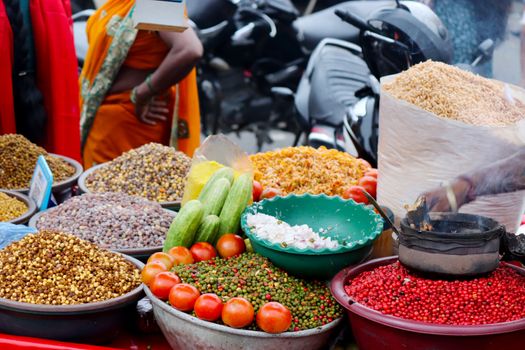
Some essential items for a Malaysian pantry include: - Aromatics: Lemongrass, ginger, galangal, garlic, and shallots are frequently used as the base for curries, soups, and stir-fries. - Spices: Cumin, coriander, turmeric, star anise, and cinnamon are commonly found in Malaysian spice blends. - Pastes: Belacan (fermented shrimp paste), sambal (chili paste), and curry pastes add depth and umami. - Coconut: Coconut milk and grated coconut are key in many dishes, from savory curries to sweet desserts. - Rice and noodles: Jasmine rice, glutinous rice, and a variety of noodles (egg, rice vermicelli, flat rice noodles) are staple carbs.Malaysian home cooks often use fresh herbs like pandan leaves, curry leaves, and kaffir lime leaves for fragrance and flavor. According to the Malaysian Department of Statistics, in 2023, rice remains the most consumed staple, with an average Malaysian eating 82 kilograms of rice per year.
.png)
Signature Dishes You Can Make at Home
While Malaysia’s culinary landscape is vast, certain dishes stand out as home-cooking favorites. These recipes are beloved for their robust flavors and straightforward techniques, making them ideal for family dinners or special gatherings.
1. $1: Often considered Malaysia’s national dish, nasi lemak features fragrant coconut rice served with sambal, crispy anchovies, roasted peanuts, boiled eggs, and cucumber. The key is perfecting the rice with coconut milk and pandan leaves, while the spicy sambal provides a signature kick. 2. $1: This “red-cooked” chicken is simmered in a sweet and spicy tomato-based sauce, flavored with ginger, garlic, and aromatic spices. It’s a favorite for festive occasions but easy enough for weeknight meals. 3. $1: Stir-fried flat rice noodles with prawns, Chinese sausage, eggs, and bean sprouts create a smoky, savory delight. The secret to home success is a very hot wok and quick, confident stirring. 4. $1: A flaky, pan-fried flatbread of Indian-Muslim origin, roti canai is often served with dhal or curry. Home cooks can make the dough ahead of time and enjoy the fun of flipping and stretching the bread. 5. $1: This two-layered dessert features glutinous rice topped with a pandan-flavored custard. It’s a beloved treat at family gatherings and showcases Malaysia’s love for colorful, coconut-rich sweets.Step-by-Step: Cooking Techniques for Authentic Flavors
Mastering Malaysian dishes means embracing a few key techniques that elevate home cooking from ordinary to extraordinary.
- $1: Rempah is a spice paste made from blended shallots, garlic, chilies, and spices. Sautéing rempah until aromatic and oil separates is crucial for developing depth in curries and stews. - $1: Traditional recipes call for pounding spices and aromatics in a mortar and pestle, releasing oils and fragrances. While blenders offer convenience, many home cooks still prefer the old-fashioned method for authenticity. - $1: Malaysian food excels at balancing spicy, sweet, sour, and salty notes. Home cooks often taste and adjust, using lime juice for acidity, palm sugar for sweetness, and fish sauce or soy sauce for saltiness. - $1: Satay and grilled fish are iconic Malaysian dishes, often cooked over charcoal for a smoky finish. Using a grill pan or broiler at home can mimic this effect.A 2022 survey by the Malaysian Culinary Association found that 72% of home cooks rely on traditional techniques handed down through generations, emphasizing the importance of maintaining authenticity even in modern kitchens.
How Malaysian Home Cooking Differs from Restaurant Fare
While restaurant versions of Malaysian dishes are often rich and indulgent, home-cooked meals tend to focus on comfort, seasonality, and family preferences. Home cooks might adjust spice levels, substitute proteins, or adapt dishes to what’s fresh and available.
Here’s a comparison table highlighting key differences:
| Aspect | Home Cooking | Restaurant Version |
|---|---|---|
| Spice Level | Customizable to family taste | Standardized, often spicier for impact |
| Ingredients | Fresh, seasonal, sometimes substituted | Consistent, premium or specialty items |
| Serving Style | Family-style, shared dishes | Individual plating, presentation focus |
| Cooking Methods | Traditional, slower techniques | Modern equipment for efficiency |
| Cost | Budget-friendly, uses pantry staples | Higher due to ambiance and service |
For example, a homemade rendang might simmer for hours in a clay pot, while a restaurant could use a pressure cooker for faster service. These small differences contribute to the unique charm of Malaysian home cooking.
Tips for Sourcing Ingredients Outside Malaysia
One challenge for international home cooks is finding authentic Malaysian ingredients. However, globalization and the popularity of Southeast Asian cuisines have made things easier.
- $1: Most major cities have Asian supermarkets stocking essentials like coconut milk, pandan leaves, curry powder, and rice noodles. - $1: Specialty websites offer delivery of hard-to-find items, including belacan and gula Melaka (palm sugar). - $1: If you can’t find fresh ingredients, dried or frozen versions often work well. For example, frozen kaffir lime leaves or dried galangal can be rehydrated as needed. - $1: Herbs like lemongrass and pandan are easy to grow in pots, even in temperate climates.According to a 2023 report by the International Food Information Council, sales of Southeast Asian ingredients in North America grew by 18% in the past two years, reflecting the growing interest in home-cooked Malaysian cuisine abroad.
Celebrating Malaysian Festivals at Home with Traditional Dishes
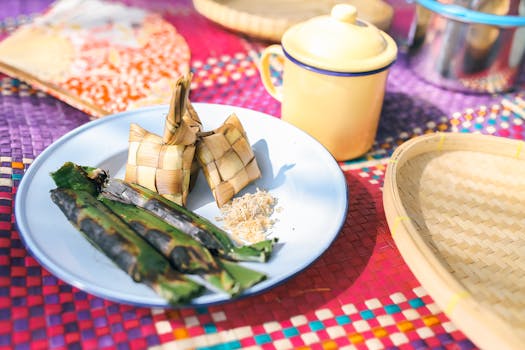
Food is central to Malaysia’s many cultural and religious celebrations, and home cooks play a vital role in keeping these traditions alive. During Hari Raya Aidilfitri, families prepare rendang, lemang (glutinous rice cooked in bamboo), and ketupat (rice cakes). Chinese New Year sees the preparation of yee sang (prosperity toss salad) and pineapple tarts. Deepavali brings sweets like murukku and laddu into the kitchen.
Preparing these festive dishes is a way to connect with heritage and family, even for Malaysians living abroad. In a 2021 survey by the Malaysian Heritage Society, 84% of respondents said cooking traditional recipes at home helped them feel more connected to their roots.
Final Thoughts: Bringing Authentic Malaysian Recipes Into Your Kitchen
Authentic Malaysian recipes are more than just meals—they are a celebration of Malaysia’s diversity, history, and family bonds. The home cook’s kitchen is where cherished flavors are passed down and adapted, creating new memories with every meal. By sourcing the right ingredients, mastering key techniques, and embracing the balance of flavors, anyone can bring a taste of Malaysia to their table. Whether you’re savoring a bowl of nasi lemak or celebrating a festival with homemade kuih, the adventure of Malaysian home cooking is as rewarding as it is delicious.