Cultural Exchange: Learning from Malaysian Traditions
Malaysia is more than just a destination—it is a living, breathing tapestry of cultures, values, and centuries-old traditions. In a world that’s becoming increasingly interconnected, cultural exchange offers a gateway to mutual understanding, empathy, and enrichment. Malaysian traditions, shaped by the harmonious coexistence of Malay, Chinese, Indian, and indigenous communities, present a unique case study in how diversity can foster resilience, creativity, and social cohesion. By exploring the ways in which we can both learn from and contribute to Malaysian traditions, we gain valuable insights into cross-cultural dialogue, sustainable living, and the preservation of intangible heritage.
The Mosaic of Malaysian Traditions: An Overview
Malaysia’s population exceeds 33 million, with three major ethnic groups—Malays (about 69%), Chinese (23%), and Indians (7%)—as well as dozens of indigenous groups, including the Orang Asli of Peninsular Malaysia and Dayaks and Kadazans of East Malaysia. Each group brings its own languages, rituals, holidays, and art forms. This diversity is not just tolerated; it is celebrated through national holidays, festivals, and everyday life.
For example, Hari Raya Aidilfitri (Eid al-Fitr), Chinese New Year, Deepavali (Diwali), and Gawai Dayak are all recognized public holidays. Architectural landmarks, such as mosques, temples, and churches, often stand side by side in Malaysian cities—a visual testament to tolerance. Even the national costume, with the Malay baju kurung, Chinese cheongsam, and Indian saree, reflects this blend.
.png)
What makes Malaysian traditions particularly instructive for global audiences is their emphasis on harmony (muafakat), mutual respect, and the concept of gotong-royong—community self-help and collective action. These values are embedded in daily practices and can inspire communities worldwide grappling with multiculturalism and rapid change.
Learning from Malaysian Festivals: Beyond the Surface
Malaysian festivals are not just colorful spectacles for tourists; they are immersive experiences with deep meaning. Participating in these festivals—whether as a local or a visitor—offers lessons in hospitality, inclusivity, and intercultural etiquette.
For instance, open house (rumah terbuka) is a common practice during major festivals, where families open their homes to friends and even strangers, regardless of background. According to the Malaysian Ministry of Tourism, more than 3 million people participate in open house events nationwide during Hari Raya and Chinese New Year each year. This tradition fosters a sense of belonging and breaks down barriers between communities.
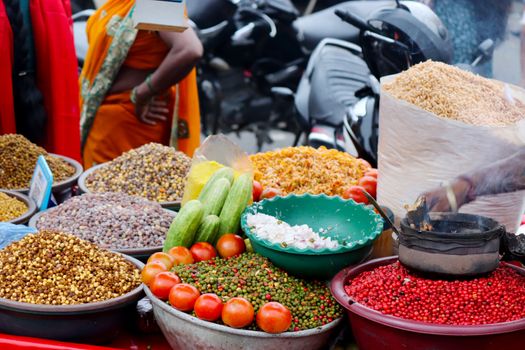
Malaysian festivals also underscore the importance of food as a unifying force. Dishes such as ketupat (rice cakes), pineapple tarts, and murukku are shared freely, symbolizing prosperity and goodwill. These communal meals echo similar practices in other cultures, but the Malaysian approach—where a single celebration might feature dishes from multiple ethnic backgrounds—sets an example for intercultural sharing.
Traditional Arts and Handicrafts: Lessons in Sustainability and Creativity
Another arena where cultural exchange flourishes is in the realm of traditional arts. Malaysian batik, songket weaving, and wood carving are not merely decorative—they embody centuries of knowledge about natural materials, eco-friendly techniques, and symbolic storytelling.
Take batik, for instance. Unlike Indonesian batik, which often uses wax-resist techniques, Malaysian batik favors hand-painting and vibrant, floral motifs. The craft involves using plant-based dyes and natural fibers, reflecting a commitment to sustainability that predates modern environmentalism. According to the Malaysian Handicraft Development Corporation, the batik industry supports over 10,000 artisans and contributes RM 400 million (about $85 million USD) to the national economy annually.
Learning batik-making or wood carving from Malaysian artisans offers more than a new skill; it imparts lessons in patience, resourcefulness, and respect for nature. These are increasingly relevant as the world faces climate change and seeks sustainable solutions rooted in traditional knowledge.
Comparing Malaysian Cultural Exchange Programs: Opportunities and Outcomes
Malaysia actively promotes cultural exchange through government initiatives, educational programs, and NGO-led projects. These programs range from student exchanges to grassroots partnerships with indigenous communities. Understanding their scope and impact can help other countries design similar initiatives.
Here’s a comparative overview of key Malaysian cultural exchange programs:
| Program Name | Target Group | Key Activities | Number of Participants (2023) | Reported Outcomes |
|---|---|---|---|---|
| ASEAN Youth Exchange | University Students | Workshops, cultural immersion, volunteerism | 1,200 | Improved intercultural skills, regional networking |
| MyCulture Program | Primary & Secondary Schools | Traditional games, local crafts, festival celebrations | 15,000 | Increased cultural awareness, reduced prejudice |
| Homestay Experience Malaysia | International Tourists | Living with rural families, learning local customs | 50,000 | Enhanced appreciation of rural life, economic benefits for hosts |
| Indigenous Knowledge Exchange (IKE) | Researchers & NGOs | Workshops, oral history documentation, eco-tourism | 500 | Preservation of indigenous knowledge, capacity building |
The wide range of programs demonstrates Malaysia’s commitment to turning cultural exchange into a two-way street. Not only do international visitors learn from Malaysian traditions, but Malaysians themselves benefit from exposure to global perspectives, innovative ideas, and new friendships.
Interfaith Dialogue and Social Harmony: Malaysian Approaches
One of the most profound lessons from Malaysian traditions is the nation’s approach to religious pluralism. With Islam as the official religion, but with significant Buddhist, Christian, Hindu, and indigenous faith communities, Malaysia provides a case study in how interfaith dialogue can be institutionalized and normalized.
Organizations like the Malaysian Consultative Council of Buddhism, Christianity, Hinduism, Sikhism, and Taoism (MCCBCHST) regularly host forums, educational workshops, and community service projects. According to Pew Research, Malaysia ranks among the world’s top 20 countries for religious diversity.
These efforts have tangible effects: a 2022 survey by Merdeka Center found that 87% of Malaysians believe that inter-religious harmony is an important part of national identity. This belief is reinforced by everyday practices, such as joint festival celebrations and charitable initiatives that cut across religious lines.
For those seeking to foster social harmony in multicultural societies, Malaysia’s structured, yet organic, approach to interfaith dialogue offers a valuable blueprint.
Language, Storytelling, and the Power of Oral Tradition
Malaysia is home to over 130 spoken languages, including Malay (Bahasa Malaysia), English, Mandarin, Tamil, and dozens of indigenous tongues. This linguistic diversity is more than a practical tool for communication; it is a vessel for stories, proverbs, and collective memory.
Traditional storytelling, or penglipur lara, is especially significant in rural communities. Storytellers spin tales of heroes, mythical creatures, and moral lessons—often accompanied by shadow puppets (wayang kulit) or music. These oral traditions are not static; they evolve with each generation, adapting to new realities while preserving core values.
In recent years, efforts have increased to document and revitalize endangered languages and oral histories. The National Language and Literature Agency reports that over 30 indigenous languages have less than 10,000 speakers each. Through cultural exchange, visitors can support language preservation by participating in workshops, supporting local authors, or sharing stories across borders.
Final Reflections: The Global Value of Malaysian Traditions
In an era where cultural identities are both cherished and challenged, Malaysian traditions offer a masterclass in coexistence, creativity, and adaptability. From open house hospitality and eco-friendly crafts to interfaith initiatives and vibrant storytelling, these practices are more than just relics of the past—they are living systems with lessons for the present and future.
Cultural exchange is not about erasing differences; it is about honoring them, learning from them, and building new forms of understanding. By engaging with Malaysian traditions, individuals and communities worldwide can discover new ways to bridge divides, celebrate diversity, and create sustainable, harmonious societies.