Embracing Malaysia: A Journey into Local Traditions
Malaysia is a nation that dances to the rhythm of its diversity. With a population of over 33 million people composed primarily of Malay, Chinese, Indian, and indigenous communities, this Southeast Asian gem stands as a testament to multicultural harmony. Yet, beyond its world-famous cuisine and bustling cities, what truly defines Malaysia is its tapestry of local traditions—many of which remain a living, breathing part of daily life. From vibrant handcrafts to intricate rituals and intergenerational customs, embracing Malaysia means stepping into a world where the past and present coexist in remarkable ways.
The Living Legacy of Malaysian Handicrafts
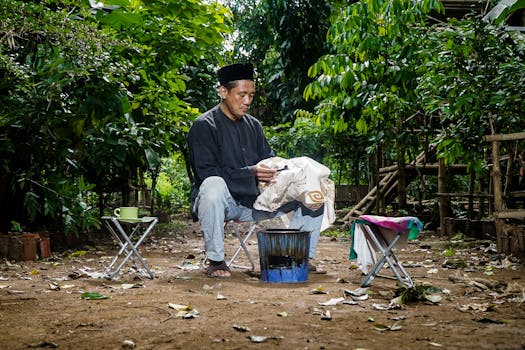
One of the most tangible connections to Malaysia’s history is through its handicrafts. Each region boasts its own specialties, often reflecting the unique heritage of its people. Batik, a centuries-old textile art, stands out as one of the country’s signature crafts. Malaysian batik differs from its Indonesian counterpart in its motifs, which often feature bold floral and geometric designs and are applied using a brush technique rather than the traditional canting (wax pen).
Another traditional craft, songket, is a luxurious handwoven fabric interlaced with gold or silver threads. Songket garments are still worn during significant ceremonies such as weddings and royal events. According to the Malaysian Handicraft Development Corporation, over 2,500 artisans are actively involved in batik and songket production nationwide, contributing to a domestic handicraft market worth RM 500 million (approximately USD 110 million) in 2023.
.png)
The indigenous Orang Asli communities also keep their traditions alive through basketry, beadwork, and woodcarving. For example, the Mah Meri tribe of Selangor is renowned for their intricate wooden masks used in the annual Puja Pantai (Sea Oath) ritual.
Rituals and Celebrations: Marking Life’s Milestones
Malaysians’ respect for tradition shines brightest during the many rituals and celebrations that punctuate the calendar year. While many visitors are familiar with major festivals like Hari Raya Aidilfitri, Chinese New Year, and Deepavali, deeper exploration reveals a wealth of lesser-known but equally meaningful customs.
One such tradition is the Malay “bersanding” wedding ceremony, where the bride and groom are seated like royalty on a dais called the “pelamin.” This ceremony is steeped in symbolism, with rituals such as “tepung tawar” (blessing with scented water and rice flour) intended to bestow prosperity and harmony upon the couple.
Among the Chinese Malaysian community, the “full moon” celebration marks a baby’s first month of life. Families distribute red-dyed eggs and “ang ku kueh” (red tortoise cakes) to symbolize good fortune and longevity. In Indian Malaysian culture, the “thali” tying ceremony during weddings is a sacred moment, as the groom ties a gold pendant around the bride’s neck, signifying their union.
These rituals are not mere formalities; they are vital threads in the fabric of community, linking families across generations and affirming shared values.
Languages and Storytelling: Guardians of Identity
Malaysia’s linguistic landscape is as vibrant as its festivals. The country officially recognizes Bahasa Malaysia (Malay) as its national language, but dozens of other languages and dialects are spoken daily. Mandarin, Tamil, and indigenous languages like Iban and Kadazan-Dusun not only facilitate communication but also serve as vessels for oral tradition and folklore.
Storytelling remains a cherished pastime, especially in rural communities. Traditional performers known as “tok selampit” in Kelantan and Terengganu keep oral histories alive through pantun (quatrains), syair (poetry), and wayang kulit (shadow puppet theatre). According to the National Department for Culture and Arts, more than 40 distinct oral traditions are still actively practiced across Malaysia.
The art of pantun, in particular, has gained international recognition; UNESCO inscribed Malay pantun on its Intangible Cultural Heritage list in 2020. These poetic exchanges often carry wisdom, humor, and moral lessons, proving that language is not just a means of communication, but a bridge between generations.
Cultural Etiquette: The Unspoken Rules of Malaysian Hospitality
One of the most enriching aspects of embracing local traditions in Malaysia is learning the subtle codes of conduct that underpin daily interactions. Malaysians are known for their warmth and hospitality, but there are unspoken rules that guide social behavior.
For instance, when entering a Malaysian home, it is customary to remove your shoes at the door—a sign of respect and cleanliness. When offering or receiving an item, Malaysians often use both hands or support the right hand with the left, particularly when giving gifts or money envelopes during festive occasions.
Public displays of affection are generally frowned upon, especially in rural or traditional settings. It’s also polite to address elders with honorifics such as “Encik” (Mr.), “Puan” (Mrs.), or “Cik” (Miss).
Table manners vary among communities, but sharing food from a communal platter is common. Among Malay families, eating with the right hand rather than cutlery is a traditional practice, while serving elders first is a sign of respect in Chinese households.
Traditional Games and Pastimes: Keeping Heritage Alive
Beyond crafts, rituals, and etiquette, traditional games offer a playful window into Malaysian life. Many of these games, passed down through generations, foster community spirit and teach valuable life skills.
One iconic game is sepak takraw, a fast-paced sport played with a rattan ball and a net. It requires agility, coordination, and teamwork, and is popular in schools and village fields across the country. Congkak, a traditional mancala game, is often played between two people using a wooden board with small wells and marbles or seeds. The aim is to capture as many seeds as possible, and the game is credited with sharpening arithmetic and strategic thinking.
Wau, or traditional kite-flying, is especially popular in the east coast states of Kelantan and Terengganu. Each wau is meticulously crafted and decorated with colorful motifs, and local competitions draw crowds of enthusiasts every year. According to the Malaysian Kite Council, over 20,000 traditional kites are produced annually, supporting rural artisans and attracting tourists to regional festivals.
Comparing Malaysia’s Key Traditional Practices
To better appreciate Malaysia’s unique blend of traditions, here’s a comparative overview of some of the most prominent local customs and their cultural significance:
| Tradition | Ethnic Group | Main Features | When Practiced |
|---|---|---|---|
| Batik & Songket Weaving | Malay | Handmade textiles, gold/silver threads, floral motifs | Festivals, weddings, national events |
| Wayang Kulit (Shadow Puppetry) | Malay | Puppet theatre, epic storytelling, gamelan music | Cultural festivals, rural performances |
| Full Moon Celebration | Chinese | Red eggs, ang ku kueh, family gatherings | Baby’s 1st month |
| Thali Tying Ceremony | Indian | Gold necklace, religious rituals, sacred vows | Weddings |
| Wau Kite Flying | Malay (East Coast) | Handcrafted kites, community competitions | Harvest season, kite festivals |
| Gawai Dayak | Iban, Bidayuh (Sarawak) | Harvest festival, communal meals, dances | June 1st annually |
Preserving and Adapting Traditions in a Modern Malaysia
As Malaysia continues to modernize, the preservation of local traditions has become both a challenge and a mission. Urbanization, globalization, and the rise of digital culture pose threats to traditional ways of life, but they also open doors to new forms of expression and participation.
The Malaysian government and numerous NGOs have stepped up efforts to document and promote intangible cultural heritage. Initiatives like the National Craft Institute and annual festivals such as the Rainforest World Music Festival in Sarawak showcase the vibrancy of local arts, attracting thousands of visitors each year. In 2022, heritage tourism contributed RM 29.2 billion (USD 6.4 billion) to the national economy, according to Tourism Malaysia.
At the grassroots level, many communities are reimagining their traditions for contemporary audiences. Young artisans are incorporating modern designs into batik and songket, while digital storytelling platforms help keep oral histories alive. Schools nationwide have begun integrating traditional games and arts into their curricula, ensuring that the next generation grows up with an appreciation for their cultural roots.
Final Reflections: The Enduring Power of Malaysian Traditions
To embrace Malaysia is to engage with a living heritage—one that evolves while never forgetting its roots. Whether through the artistry of a handwoven songket, the joyful shouts of a sepak takraw game, or the poetic wisdom of a pantun, local traditions offer insight, belonging, and a sense of wonder. By participating in or simply respecting these customs, both locals and visitors contribute to the rich, ongoing story of Malaysia. In a rapidly changing world, these traditions aren’t just relics of the past; they are Malaysia’s heart, pulsing with life and ready to welcome all who wish to listen.