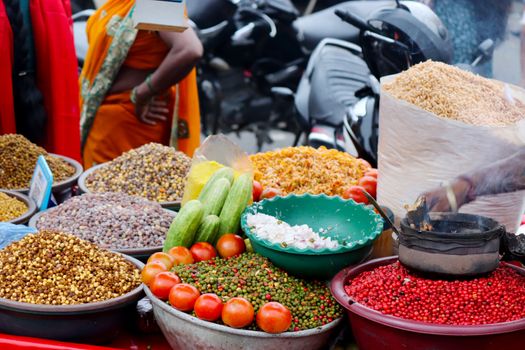
Malaysian Cuisine: A Fusion of Flavors Woven Through Centuries
The mere mention of Malaysian cuisine conjures a tapestry of aromas, vibrant colors, and unforgettable flavors. Renowned for its diverse culinary heritage, Malaysia offers a unique gastronomic experience that stands apart from any other in Southeast Asia. But what truly sets Malaysian food apart is its fusion of influences, a harmonious blend shaped by centuries of trade, migration, and cultural exchange. From bustling street stalls in Kuala Lumpur to rustic kitchens in rural Sarawak, every dish tells a story—one that reflects Malaysia’s status as a crossroads of civilizations.
In this article, we explore the historical roots, core ingredients, culinary techniques, and the modern evolution of Malaysian cuisine. We’ll also delve into some regional specialties and the social rituals that surround food, showcasing how Malaysia’s fusion of flavors is more than just a matter of taste—it’s a living testament to the nation’s rich, multicultural identity.
The Historical Roots of Malaysia’s Culinary Fusion
To understand Malaysian cuisine's complexity, it’s essential to look at the nation’s rich history. Situated along the ancient maritime trade routes between China, India, and the Middle East, the Malay Peninsula and Borneo became melting pots of culture and commerce as early as the first millennium CE.
.png)
Historical records show that by the 15th century, Malacca was one of the world’s busiest ports, attracting traders from Portugal, the Netherlands, Britain, China, and India. Each group brought their culinary traditions, spices, and cooking methods. For instance:
- Indian traders introduced curries, spices such as cumin, turmeric, and cardamom, and breads like roti canai. - Chinese immigrants contributed noodles, stir-frying techniques, soy sauce, and dim sum. - Arab and Middle Eastern merchants brought fragrant spices, rice dishes, and grilling methods. - The Peranakan (Straits Chinese) community created a hybrid cuisine known as Nyonya, combining Chinese ingredients with Malay spices and techniques.By the 21st century, these influences had not only survived but flourished, giving rise to a cuisine that’s both rooted in tradition and open to innovation.
Signature Ingredients That Define Malaysian Cuisine
While Malaysia’s culinary diversity is vast, several signature ingredients are common threads across its most beloved dishes. These ingredients are the foundation upon which the country’s fusion of flavors is built:
- Lemongrass: Adds citrusy brightness to soups, curries, and marinades. - Galangal and Ginger: Essential for depth and warmth in spice pastes and broths. - Coconut Milk: Used in everything from rendang (slow-cooked beef) to nasi lemak, it imparts creaminess and sweetness. - Belacan (Fermented Shrimp Paste): Provides an umami punch in sambals and stir-fries. - Pandan Leaves: Infuse desserts and rice with a subtle, floral aroma. - Chili Peppers: Both fresh and dried, provide the signature heat in sambals and curries. - Tamarind: Imparts a tangy, sour note, especially in asam pedas (sour-spicy fish stew).The use of these ingredients is not random but carefully balanced. A single dish may feature sweet, salty, spicy, and sour flavors all at once—a hallmark of Malaysian cooking.
Iconic Dishes: Where Cultures Collide on the Plate
Malaysian cuisine is a celebration of its plural society, and nowhere is this more evident than in its iconic dishes. Here are a few that best illustrate its fusion of flavors:
- Nasi Lemak: Often called Malaysia’s national dish, nasi lemak consists of rice cooked in coconut milk, served with spicy sambal, crispy anchovies, peanuts, cucumber, and hard-boiled egg. Its flexibility allows for accompaniments like fried chicken (Malay influence), curry (Indian), or Chinese-style stir-fries. - Char Kway Teow: This stir-fried noodle dish hails from Penang and combines Chinese rice noodles with Malay and Indian seasonings. Ingredients include prawns, cockles, Chinese sausage, bean sprouts, and chili paste. - Laksa: A spicy noodle soup with countless regional variations. Penang’s asam laksa uses tamarind and mackerel, giving it a sour profile, while the creamy curry laksa of the south reflects Indian and Malay influences. - Roti Canai: Indian-Muslim in origin, this flaky flatbread is typically served with dhal (lentil curry) or spicy meat gravies, and is now a staple breakfast food nationwide. - Satay: Skewered, grilled meats marinated in a blend of Malay spices, served with peanut sauce—a dish embraced by all ethnic groups.The table below highlights a few signature Malaysian dishes and their cultural origins:
| Dish | Main Influences | Key Ingredients | Notable Region |
|---|---|---|---|
| Nasi Lemak | Malay, Indian, Chinese | Coconut rice, sambal, anchovies, peanuts | Nationwide |
| Char Kway Teow | Chinese, Malay | Rice noodles, prawns, bean sprouts, soy sauce | Penang |
| Roti Canai | Indian-Muslim | Flour, ghee, dhal curry | Nationwide |
| Asam Laksa | Malay, Chinese | Tamarind, mackerel, noodles, mint | Penang |
| Satay | Malay, Indonesian | Chicken/beef, lemongrass, peanut sauce | Kajang, Selangor |
| Nyonya Kuih | Peranakan (Chinese-Malay) | Rice flour, coconut, pandan | Melaka, Penang |
Regional Diversity: Flavors from Coast to Highlands
While Malaysian cuisine shares a common foundation, each region boasts its own specialties, shaped by local produce, geography, and the dominant ethnic community.
- Penang: Often dubbed “The Food Capital of Malaysia,” Penang is famous for its street food. Dishes like Penang char kway teow, asam laksa, and Penang rojak (fruit and vegetable salad) are must-tries. Over 70% of Penang’s population is ethnic Chinese, which significantly influences its food. - Kelantan and Terengganu: On the east coast, Malay and Thai influences prevail. Nasi kerabu (blue rice with herbs), laksam (rice noodle rolls in coconut fish gravy), and keropok lekor (fish sausage) are local favorites. In Kelantan, over 95% of the population is Malay, and dishes tend to be sweeter and use more coconut. - Sarawak and Sabah: Located on Borneo, these states boast indigenous and Dayak cuisine, such as manok pansoh (chicken cooked in bamboo) and umai (raw marinated fish). Sarawak laksa, flavored with a unique blend of sambal belacan, coconut, and tamarind, is a regional icon. - Kuala Lumpur and Urban Centers: Here, modern fusion takes the lead, with “mamak” (Indian-Muslim) stalls offering everything from nasi kandar (rice with assorted curries) to inventive dishes like cheese naan and Milo “dinosaur” drinks.According to a 2022 survey by Tourism Malaysia, 87% of international visitors cited food as a primary reason for traveling to Malaysia—a testament to its culinary appeal.
Rituals, Festivals, and the Social Side of Eating
Food in Malaysia is not just sustenance; it’s a central part of social life and cultural identity. Meals are often communal, with dishes meant for sharing. Major festivals like Hari Raya Aidilfitri (Eid), Chinese New Year, and Deepavali (Diwali) are celebrated with special foods:
- Hari Raya: Ketupat (rice cakes), rendang, and lemang (glutinous rice cooked in bamboo) are staples. - Chinese New Year: Yee sang (prosperity salad) is tossed to bring good luck, while pineapple tarts and kuih kapit (love letters) are enjoyed. - Deepavali: Traditional Indian sweets, murukku, and curries are prepared and shared with neighbors, regardless of ethnicity.The open house tradition—inviting friends and neighbors of all backgrounds to celebrate together—exemplifies the Malaysian spirit of unity through food.
Modern Trends: Innovation and Global Influence
Malaysian cuisine is constantly evolving, blending tradition with modernity. In the last decade, several new trends have emerged:
- Fusion Restaurants: Chefs experiment by incorporating Japanese, Korean, and Western elements into Malaysian classics. Dishes like laksa pasta or nasi lemak sushi have appeared on hip urban menus. - Health and Sustainability: There’s a growing interest in plant-based Malaysian dishes, organic produce, and reducing food waste. Vegetarian versions of classics like nasi lemak and satay are increasingly available. - International Recognition: In 2022, Penang was ranked the #1 food destination in Asia by Lonely Planet, and Kuala Lumpur’s hawker stalls received mentions in the Michelin Guide. - Malaysian Cuisine Abroad: More than 1,500 Malaysian restaurants now operate overseas, from London to Melbourne, introducing the world to rendang, nasi goreng, and teh tarik.With the rise of food delivery apps, Malaysians are also enjoying greater access to regional and fusion dishes, making the nation’s culinary diversity even more accessible.
Final Reflections: Malaysian Cuisine as a Living Heritage
Malaysian cuisine is far more than a collection of recipes—it’s a living, breathing heritage that continues to evolve with every generation. Its fusion of flavors reflects centuries of migration, multicultural exchange, and the resilience of its people. Whether you’re savoring a spicy bowl of laksa in Penang or sharing satay with friends during a festival in Kuala Lumpur, you’re partaking in a story that connects past and present, tradition and innovation.
For anyone seeking to understand Malaysia, there’s no better place to start than its food. Each bite is a celebration of diversity, unity, and the enduring human quest for flavor.