Malaysian food is often described as a symphony of flavors, a melting pot where centuries of cultural exchange have created dishes unlike any other in Asia. While many countries in the region boast rich culinary traditions, Malaysia’s unique history, geography, and social fabric have fused influences from across the continent—and beyond—into a cuisine that stands apart. But what exactly makes Malaysian food so distinct in the vast landscape of Asian cuisine? Let’s take a deep dive into the origins, flavors, and cultural practices that set Malaysian gastronomy apart, and understand why food lovers from around the world find it so captivating.
The Cultural Mosaic: How Diversity Shapes Malaysian Food
Malaysia is home to more than 32 million people, and its population is a tapestry woven from Malay, Chinese, Indian, indigenous Orang Asli, and various migrant communities. This convergence of cultures is the foundation of Malaysian cuisine’s uniqueness.
For example, the national dish, nasi lemak, features rice cooked in coconut milk—a Malay technique—served with sambal (chili paste), crispy anchovies, peanuts, and boiled eggs, but it’s often accompanied by Chinese-style fried chicken or Indian-influenced curries, depending on the region.
.png)
Statistics highlight the multicultural influence: a 2021 survey by Tourism Malaysia found that over 85% of Malaysians identify with more than one cultural cuisine in their daily meals. This blending doesn’t just happen at special events—it’s an everyday occurrence, visible in hawker centers and street stalls across the country.
The Role of Geography: The Land and Sea’s Bounty
Malaysia’s unique geography—divided between Peninsular Malaysia and the island of Borneo—has blessed it with a bounty of tropical ingredients. Straddling both the South China Sea and the Indian Ocean, Malaysia’s access to diverse fisheries and fertile agricultural land has shaped its culinary identity.
The country’s tropical climate means that aromatic herbs like lemongrass, pandan, and kaffir lime leaves flourish year-round. Seafood is abundant along both coasts: Penang, for instance, is renowned for its char kway teow, a stir-fried noodle dish loaded with fresh prawns and cockles. Inland, rainforests provide wild ferns (pucuk paku), bamboo shoots, and exotic fruits such as durian and mangosteen—ingredients rarely found in neighboring cuisines.
A 2023 report from the Malaysian Agricultural Research and Development Institute noted that Malaysia produces over 350,000 metric tons of tropical fruits annually, underlining the diversity of fresh produce available for local dishes.
Signature Flavors: Balancing Sweet, Spicy, Sour, and Savory
Malaysian food is celebrated for its bold flavors, achieved through a careful balance of sweet, spicy, sour, and savory notes. The secret lies in the use of spice pastes (rempah), which are ground mixtures of chilies, garlic, ginger, turmeric, and other aromatics, fried until fragrant and used as a base for countless dishes.
For instance, asam laksa, a spicy and sour noodle soup from Penang, combines tamarind (for sourness), chilies (for heat), mackerel (for umami), and mint and pineapple (for freshness and sweetness). Rendang, a slow-cooked beef curry from the Malay community, is richly spiced with galangal, lemongrass, and coconut milk, offering deep, layered flavors that are simultaneously spicy, sweet, and savory.
Malaysian sambal—a ubiquitous chili paste—has dozens of variations across the country, each reflecting the local palate. A comparison with neighboring countries reveals how Malaysia’s approach to flavor stands out:
| Country | Signature Flavor Profile | Common Base Ingredients | Typical Use of Spices |
|---|---|---|---|
| Malaysia | Bold, balanced sweet, spicy, sour, savory | Coconut milk, lemongrass, tamarind, chilies | Complex spice pastes; frequent use of rempah |
| Thailand | Spicy, sour, sweet | Fish sauce, lime, chilies, basil | Herbs and pastes; emphasis on fresh flavors |
| Indonesia | Spicy, sweet, earthy | Soy sauce, galangal, nutmeg | Heavy, earthy spices; sweet soy (kecap manis) |
| Vietnam | Light, fresh, umami | Fish sauce, herbs, lime | Fresh herbs; minimal oil; lighter spice blends |
This comparison shows that while neighboring countries share some ingredients, the way Malaysians balance and layer flavors, often in a single dish, is truly distinctive.
Street Food Culture: The Heartbeat of Malaysian Cuisine
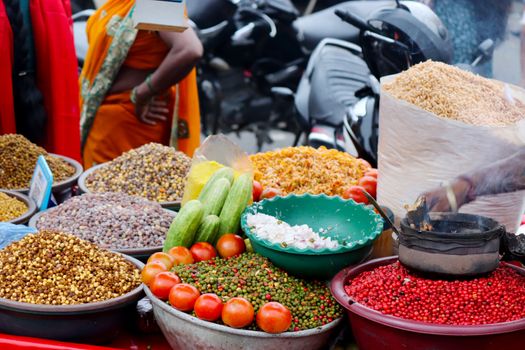
One of the most celebrated aspects of Malaysian food is its vibrant street food culture. Night markets (pasar malam), hawker centers, and roadside stalls are the true engines of culinary creativity, providing a space for traditional recipes to evolve and new fusions to emerge.
In Kuala Lumpur’s Jalan Alor, you’ll find grilled satay skewers, Chinese-style wonton noodles, and Indian roti canai all within steps of each other. In Penang, which CNN Travel ranked as Asia’s top street food city in 2022, the sheer variety is staggering: char kway teow, nasi kandar, and cendol are all local favorites.
Street food isn’t just about convenience; it’s about community. Dishes are often cooked to order, and many stalls have been run by the same families for generations. This ensures a continuity of tradition while also allowing for adaptation and innovation—such as the rise of “fusion” foods like nasi lemak burgers or durian crepes.
Religious and Festive Influences: Food as Cultural Expression
Religion plays a significant role in shaping Malaysian food. Islam is the predominant religion, followed by Buddhism, Hinduism, and Christianity, and each community observes unique dietary laws and festive food traditions.
Halal practices guide Malay Muslim cuisine, emphasizing pork-free dishes and ritual slaughter of meat. Indian Malaysians celebrate Deepavali with sweet snacks like murukku and laddu, while Chinese Malaysians observe Lunar New Year with yee sang, a colorful raw fish salad symbolizing prosperity.
Festivals are often marked by communal feasting. During Hari Raya Aidilfitri, families prepare rendang, ketupat (compressed rice cakes), and an array of cookies, while the Hindu festival of Thaipusam sees the distribution of vegetarian meals to devotees and visitors alike. These celebrations underscore the deep connection between food, faith, and community.
Fusion and Innovation: The Future of Malaysian Cuisine
While Malaysian cuisine is deeply rooted in tradition, it is far from static. Today, young chefs and home cooks are experimenting with new ingredients and techniques, reflecting Malaysia’s ongoing openness to global influences.
Restaurants in Kuala Lumpur are now serving rendang tacos, laksa-flavored pasta, and vegan versions of traditional favorites, appealing to both locals and international visitors. According to a 2022 report from the Malaysian Association of Hotels, 39% of hotels in Malaysia now offer vegetarian or vegan options inspired by local dishes, a testament to the cuisine’s adaptability.
At the same time, there is a growing movement to preserve heirloom recipes and regional specialties that risk fading away in the face of modernization. Food heritage organizations and culinary schools are working to document traditional methods and ingredients, ensuring that the essence of Malaysian cuisine is passed down through generations.
Why Malaysian Food Stands Out in Asia’s Culinary Scene
Malaysian food is more than just a collection of dishes; it is the edible expression of a nation’s history, diversity, and creativity. Its uniqueness lies in the ever-present blending of cultures, the abundance of tropical ingredients, the meticulous balancing of flavors, and the communal nature of eating. Whether enjoyed at a bustling night market, a family gathering, or a modern fusion restaurant, Malaysian cuisine offers a sensory journey through time, place, and tradition.
With its roots in Malay, Chinese, Indian, and indigenous kitchens—and its eyes on the future—Malaysian food continues to surprise and delight, earning its place as a truly unique gem in Asian cuisine.