Scandinavia has long captured the world’s imagination with its pristine landscapes, minimalist design, and a way of life that balances tradition and modernity. But what truly makes the Scandinavian countries—Denmark, Norway, and Sweden—so unique? Beyond the stereotypes of Vikings, saunas, and snowy vistas, Scandinavia boasts a rich tapestry of culture, nature, and customs that are both distinct and interconnected. Whether you’re planning a visit or simply curious about this northern European region, discovering the Scandinavian countries offers a fresh perspective on how geography, history, and values shape a society. Let’s embark on an immersive journey through Scandinavia’s cultural mosaic, breathtaking nature, and enduring traditions.
Unveiling the Scandinavian Trio: Denmark, Norway, and Sweden
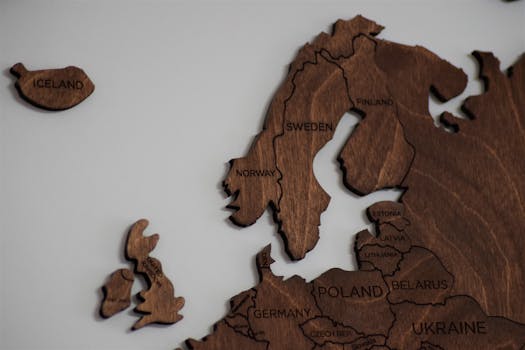
When people refer to Scandinavia, they typically mean Denmark, Norway, and Sweden. While Finland and Iceland are sometimes included in broader definitions (the Nordic countries), the heart of Scandinavia is formed by these three nations. Each country shares a common heritage yet maintains distinctive characteristics shaped by geography, history, and language.
Denmark, often described as the “gateway to Scandinavia,” is known for its flat landscapes, vibrant cities like Copenhagen, and a strong maritime tradition. Norway, by contrast, is famous for its dramatic fjords, mountainous terrain, and coastal villages. Sweden, the largest by area and population, offers a blend of archipelagos, vast forests, and innovative cities like Stockholm and Gothenburg.
.png)
Population-wise, Sweden leads with approximately 10.5 million people, Norway has around 5.5 million, and Denmark about 5.9 million (as of 2024). All three countries rank among the world’s most prosperous and happiest, with high standards of living, robust welfare states, and strong democratic institutions.
Nature’s Masterpiece: Landscapes and Outdoor Life
The Scandinavian landscape is a showcase of nature’s artistry, shaped by glaciers, ancient forests, and thousands of islands. Norway’s fjords, such as the UNESCO-listed Geirangerfjord and Nærøyfjord, attract nearly one million tourists annually. These deep, narrow inlets flanked by towering cliffs are consistently rated among the world’s most beautiful natural wonders.
Sweden’s terrain is a varied tapestry of lakes—over 100,000 in total—dense pine and spruce forests, and the striking archipelagos off Stockholm and Gothenburg. In the far north, Swedish Lapland is home to the indigenous Sámi people and the mesmerizing Northern Lights, visible roughly 200 nights per year.
Denmark, though less mountainous, is a haven for cyclists and beach lovers. The country boasts over 7,300 kilometers of coastline and more than 400 islands. The island of Bornholm, for example, is renowned for its rugged cliffs and sandy beaches, while Møns Klint features dramatic chalk cliffs rising 128 meters above sea level.
Outdoor recreation is a core part of Scandinavian life. “Friluftsliv,” a Norwegian concept meaning “open-air living,” is embraced across the region. Over 70% of Norwegians regularly engage in outdoor activities such as hiking, skiing, or fishing. Everyman’s Right, or “Allemansrätten,” in Sweden and Norway allows public access to most natural areas, encouraging exploration and a deep connection with nature.
Cultural Identity: Language, Design, and Social Values
Language is a strong marker of Scandinavian identity. Danish, Norwegian, and Swedish are mutually intelligible, stemming from Old Norse roots. Yet, each has evolved unique dialects and expressions reflecting regional histories and influences.
Scandinavian design is another global export, characterized by simplicity, functionality, and minimalism. Brands like IKEA (Sweden), Georg Jensen (Denmark), and Norway’s Snøhetta have shaped everything from furniture to architecture. The aesthetic is rooted in practicality and a reverence for natural materials—think light woods, clean lines, and a harmonious blend of form and function.
Social values in Scandinavia are shaped by the concept of “Janteloven” or the Law of Jante—a cultural code emphasizing humility, equality, and collective well-being over individual achievement. This ethos is mirrored in the countries’ robust welfare systems, free or low-cost education, universal healthcare, and generous parental leave policies. According to the 2023 World Happiness Report, all three Scandinavian countries ranked in the global top seven for happiness, a testament to their quality of life and social cohesion.
Traditions and Festivals: From Midsummer to Hygge
Scandinavia’s calendar is rich with traditions that reflect a deep connection to the land and the changing seasons. One of the most celebrated is Midsummer, particularly in Sweden. On the Friday between June 19 and 25, Swedes gather to dance around a maypole, sing folk songs, and feast on pickled herring and new potatoes. Roughly 70% of Swedes participate in Midsummer festivities, making it the country’s most important holiday after Christmas.
Norway’s Constitution Day (May 17) is another vibrant celebration, marked by parades, traditional costumes (“bunad”), and community gatherings. Over 80% of Norwegians take part in the festivities, which symbolize national pride and democratic values.
In Denmark, the concept of “hygge” encapsulates the art of creating a cozy, contented atmosphere. While there’s no direct English translation, hygge involves enjoying simple pleasures like candlelit dinners, warm beverages, and time with loved ones—especially during the long, dark winters. According to a 2022 survey, 85% of Danes see hygge as integral to their national identity.
The Scandinavian countries also honor their Viking heritage through festivals, museums, and reconstructed settlements. The Viking Ship Museum in Oslo and Denmark’s National Museum offer immersive experiences that attract hundreds of thousands of visitors each year.
Comparing the Scandinavian Countries: Key Facts and Figures
To better understand the similarities and differences between Denmark, Norway, and Sweden, here’s a comparative overview:
| Country | Population (2024) | Area (sq km) | Official Language(s) | GDP per Capita (USD, 2023) | UN World Happiness Rank (2023) |
|---|---|---|---|---|---|
| Denmark | 5.9 million | 42,933 | Danish | $68,300 | 2 |
| Norway | 5.5 million | 148,729 | Norwegian | $89,200 | 7 |
| Sweden | 10.5 million | 450,295 | Swedish | $62,800 | 6 |
This table highlights not only the population and geographic diversity but also the economic prosperity and overall well-being that define the Scandinavian experience.
Scandinavian Cuisine: From Smørrebrød to Fika
Food is a window into any culture, and Scandinavia is no exception. Danish cuisine is famous for “smørrebrød”—open-faced sandwiches piled high with fish, meat, and seasonal vegetables. Denmark also boasts the world-renowned restaurant Noma, which has topped global rankings multiple times for its innovative approach to Nordic ingredients.
Norway’s culinary heritage is shaped by its coastline and fishing traditions. Dishes like “rakfisk” (fermented fish), “klippfisk” (dried and salted cod), and fresh salmon are staples. The country is the world’s second-largest exporter of seafood, shipping over 2.7 million tons in 2022.
In Sweden, “fika” is more than just a coffee break—it’s a cultural ritual. Swedes pause daily to enjoy coffee and pastries (such as “kanelbulle,” or cinnamon buns) with friends or colleagues. Surveys show that over 90% of Swedes enjoy fika at least once a week, underscoring its importance in fostering social connection.
All three countries are at the forefront of the New Nordic Cuisine movement, which emphasizes local, seasonal ingredients and sustainable practices. This culinary renaissance has led to a surge in Michelin-starred restaurants and global recognition.
Scandinavian Innovation: Balancing Tradition and Modernity
Scandinavia is renowned not just for preserving its traditions but also for embracing innovation. Sweden is home to global giants like Spotify, Ericsson, and Volvo. The nation invests over 3.4% of its GDP in research and development—one of the highest rates in the world.
Denmark leads in renewable energy, with wind power accounting for more than 47% of its electricity production as of 2023. Copenhagen aims to become the world’s first carbon-neutral capital by 2025, a testament to the country’s commitment to sustainability.
Norway, while economically buoyed by oil and gas, is rapidly transitioning to green energy and electric vehicles. In 2023, over 80% of new cars sold in Norway were electric, the highest rate globally. Norway’s investment in social innovation, from gender equality to digital government services, also sets a global benchmark.
These achievements reflect a broader Scandinavian philosophy: honoring the past while boldly shaping the future.
Why Scandinavian Countries Inspire the World
Scandinavia’s enduring appeal lies in its balance of tradition and progress, community and individuality, nature and innovation. Whether it’s the magnetic pull of the Northern Lights, the warmth of a candlelit “hygge” evening, or the egalitarian spirit woven into daily life, Denmark, Norway, and Sweden offer a blueprint for how societies can thrive in harmony with their environment and each other.
From their breathtaking landscapes to their social values and creative achievements, the Scandinavian countries continue to inspire both visitors and those who seek a deeper understanding of what makes a culture resilient and vibrant. Discovering Scandinavia is not just a journey across borders—it’s an invitation to reimagine the possibilities of modern living.