Copenhagen: Europe's Greenest City Uncovered
Nestled on the eastern coast of Denmark, Copenhagen shines as a beacon of sustainability and innovation. With its blend of historic charm and futuristic thinking, this city has steadily earned the reputation as Europe’s greenest capital. Copenhagen doesn’t just talk about being eco-friendly—it lives and breathes green principles in its streets, infrastructure, public spaces, and daily life. From wind turbines lining the harbor to bustling bike lanes and zero-emission public transport, Copenhagen is a living laboratory for urban sustainability. So, what makes this Scandinavian city a model for the world? Let’s take a closer look at the unique strategies, achievements, and experiences that set Copenhagen apart.
The Vision: Copenhagen’s Ambitious Climate Goals
Copenhagen’s journey towards sustainability is no accident. It’s the result of deliberate policies, community involvement, and a bold vision. In 2009, the city launched its ambitious goal: to become the world’s first carbon-neutral capital by 2025. This target, enshrined in the “Copenhagen Climate Plan,” is not just a slogan but a roadmap with specific milestones.
As of 2023, Copenhagen had already reduced its carbon emissions by more than 60% compared to 1995 levels. The city invests heavily in wind energy, district heating, and green mobility, with more than 40% of the city’s energy supplied by wind turbines. In fact, Denmark as a whole produced 52% of its electricity from wind and solar in 2022, with Copenhagen leading the charge.
.png)
Copenhagen’s green ambitions go beyond climate mitigation. The city’s strategies encompass climate adaptation, green job creation, and social inclusion, ensuring that sustainability is woven into every aspect of urban life.
Urban Mobility: The Cycling Capital of the World
If there’s one image that captures Copenhagen’s spirit, it’s the sight of thousands of cyclists gliding effortlessly through the city. Nearly 62% of Copenhageners commute to work or school by bike every day, according to the city’s own statistics. The city boasts over 385 kilometers of dedicated cycle tracks, separated from car traffic for maximum safety and comfort.
Copenhagen’s infrastructure is tailored for cyclists. “Green wave” traffic lights allow riders to cruise through several intersections without stopping during rush hour. The world’s first “cycle superhighways” connect suburbs to the city center, supporting longer commutes. Even the iconic Cykelslangen (“The Bicycle Snake”) bridge is designed exclusively for bikes, offering a scenic and practical link across the harbor.
The city’s bike-friendly culture not only reduces emissions but also improves public health. A 2016 study found that Copenhagen’s cycling habits prevent approximately 90,000 tons of CO2 emissions annually. Plus, the city’s investment in cycling infrastructure—over 1 billion Danish kroner ($145 million USD) since 2006—has created a safer, healthier environment for all.
Green Architecture and Urban Design
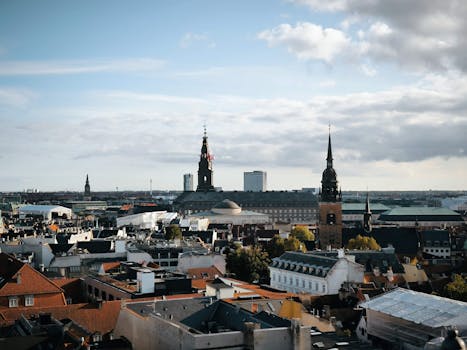
Copenhagen’s skyline is a testament to its commitment to sustainable design. From the futuristic wind-powered Amager Bakke waste-to-energy plant (which doubles as a ski slope) to the eco-friendly Nordhavn district, the city seamlessly integrates green architecture with urban functionality.
The city’s building codes are among the strictest in Europe, requiring new constructions to meet high energy efficiency standards. The “Green Roofs” initiative encourages developers to install vegetation on rooftops, helping to absorb rainwater, reduce heat, and support biodiversity. In fact, over 200,000 square meters of green roofs have been installed since 2010.
Public spaces are engineered to support climate adaptation. Parks like Superkilen and the Climate Tile sidewalks in Nørrebro double as rainwater management systems, preventing flooding during cloudbursts. The harbor, once heavily polluted, is now clean enough for open-water swimming—thanks to advanced water treatment and strict environmental regulations.
Renewable Energy and District Heating: Powering the Green Revolution
A cornerstone of Copenhagen’s sustainability is its integrated energy system. The city is a pioneer in district heating, which supplies over 98% of households with heat generated from waste incineration, biomass, and surplus industrial heat.
Wind energy is another pillar of the city’s green energy mix. Copenhagen’s offshore wind farms, like Middelgrunden, are iconic features of the harbor and produce enough electricity to power 40,000 households.
To understand Copenhagen’s leadership in clean energy, consider this comparative table of energy sources in major European cities:
| City | % Renewable Energy in Electricity Mix (2022) | District Heating Coverage | CO2 Emissions Reduction Since 1990 |
|---|---|---|---|
| Copenhagen | 66% | 98% | +60% |
| Stockholm | 54% | 80% | 53% |
| Berlin | 39% | 30% | 32% |
| Paris | 23% | 8% | 18% |
Copenhagen’s energy approach results in lower household utility costs, cleaner air, and a significant reduction in greenhouse gas emissions, setting a benchmark for cities worldwide.
Green Spaces and Biodiversity: Nature Within Reach
Despite its compact size, Copenhagen is remarkably green. Approximately 60% of its surface area is dedicated to public spaces, parks, gardens, lakes, and waterfront. The city’s “Five Finger Plan,” dating back to the 1940s, ensured urban expansion would follow green corridors, preserving nature and providing easy access to the outdoors.
The result is a city where a park or green space is never more than a short walk or bike ride away. The King’s Garden, Fælledparken, and Amager Nature Park offer spaces for relaxation, sports, and community events. The city’s commitment to biodiversity is evident in urban beehives, bird sanctuaries, and wildflower meadows that attract pollinators.
Copenhagen also integrates blue spaces—canals, lakes, and harbors—into urban life. Urban swimming zones like Islands Brygge are popular in summer, and the city’s “Blue-Green Infrastructure” plan aims to create more resilient, vibrant, and healthy neighborhoods.
Community Engagement and Social Sustainability
What truly sets Copenhagen apart isn’t just its technology or infrastructure—it’s the active participation of its citizens. Sustainability is a shared value, not just a government mandate. Residents are involved in local climate initiatives, neighborhood clean-ups, and urban gardening projects.
Programs like Sharing Copenhagen and the Green Ambassadors network empower locals to drive change, from recycling campaigns to renewable energy cooperatives. Schools integrate sustainability into the curriculum, fostering a new generation of eco-conscious citizens.
Copenhagen’s green transition is also socially inclusive. Policies ensure affordable housing in new eco-districts and support for vulnerable populations in adapting to climate change. The city’s strong social safety net, combined with progressive urban planning, ensures that the benefits of sustainability reach all residents.
Why Copenhagen Sets the Standard for Green Cities
Copenhagen’s holistic approach to sustainability has made it a model for cities around the globe. The city has been named European Green Capital (2014), topped the Global Destination Sustainability Index (2022), and consistently ranks among the world’s most livable cities.
Its success lies in the combination of visionary leadership, community involvement, innovative infrastructure, and a deep respect for nature. By integrating green principles into every aspect of urban life, Copenhagen demonstrates that sustainability is not a sacrifice—but a pathway to healthier, more vibrant, and more equitable cities.
As other urban centers grapple with climate change, pollution, and population pressures, Copenhagen’s experience offers hope and inspiration. Whether you’re a visitor enjoying a bike ride along the harbor or a resident relaxing in a city park, the green spirit of Copenhagen is unmistakable—and contagious.