Spain is a country of vibrant contrasts, where centuries-old traditions pulse through modern city streets, and every region reveals a unique tapestry of sounds, sights, and rituals. From the passionate rhythms of flamenco in Andalusia to the controversial spectacle of bullfighting in Madrid’s grand arenas, Spain’s cultural journey is as compelling as it is diverse. This article invites you to traverse Spain’s heartlands, uncovering the roots, rituals, and realities behind its most iconic cultural practices.
The Soul of Spain: Flamenco’s Fiery Origins and Evolution
Flamenco is more than just a dance—it's an emotional expression, a musical genre, and a symbol of Andalusian identity. Its roots stretch back to the 15th century, born from a blend of Romani, Moorish, Jewish, and indigenous Andalusian influences. Flamenco was once the music of the marginalized, carried through generations as an oral tradition.
Today, flamenco encompasses three main elements: cante (song), baile (dance), and toque (guitar playing). There are over 50 different flamenco styles, known as palos, each with its distinctive rhythm and mood. The most famous, such as the intense soleá or the festive bulerías, reflect the emotional breadth of the Spanish spirit.
.png)
According to the Spanish Ministry of Culture, there are more than 1,200 registered flamenco schools and venues (tablaos) across Spain, with Seville and Jerez de la Frontera considered flamenco’s spiritual homes. In 2010, UNESCO recognized flamenco as an Intangible Cultural Heritage of Humanity, underscoring its global significance.
Flamenco festivals, like the Bienal de Flamenco in Seville and the Festival de Jerez, attract more than 100,000 international visitors each year, proving its enduring allure.
Bullfighting: Tradition, Controversy, and Cultural Identity
Bullfighting (la corrida de toros) is perhaps Spain’s most polarizing tradition. With origins dating back to Roman times, the modern form was codified in the 18th century, epitomized by legendary matadors like Francisco Romero and Juan Belmonte. The spectacle unfolds in grand arenas such as Madrid’s Plaza de Toros de Las Ventas, which seats over 23,000 spectators.
A standard bullfight consists of three main acts (tercios) and lasts about 20 minutes per bull. Six bulls are typically fought in a single event, with skilled matadors demonstrating artistry, courage, and precision. Supporters hail bullfighting as an essential cultural legacy—a dance of life and death that celebrates bravery and tradition.
However, opposition is strong and growing. Animal welfare concerns and shifting societal values have led to bans in Catalonia since 2012 and declining attendance in some regions. According to Spain’s Ministry of Culture, attendance at bullfights dropped from 2,600 events per year in 2007 to fewer than 1,500 in 2022, reflecting evolving attitudes.
Despite controversy, bullfighting remains a fixture in Spanish festivals such as San Fermín in Pamplona, where the famous running of the bulls attracts over a million visitors annually.
Regional Diversity: Beyond Flamenco and Bulls
Spain is a patchwork of regions, each with its own customs, dialects, and celebrations. While flamenco and bullfighting are closely associated with the south and central Spain respectively, other areas boast equally distinctive traditions.
In Galicia, the haunting melodies of bagpipes (gaita) fill the air during the Festival of St. James. In the Basque Country, rural sports like stone lifting and wood chopping showcase local strength and pride. Valencia comes alive every March with Las Fallas, a week-long explosion of fireworks, parades, and giant sculptures.
Catalonia, meanwhile, is famous for its human towers (castells), where teams of up to 500 people construct towering human pyramids. This tradition, dating back to the 18th century, was also recognized by UNESCO in 2010.
The table below highlights some of Spain’s most iconic regional festivals and their unique features:
| Region | Signature Festival | Main Attractions | Annual Visitors |
|---|---|---|---|
| Andalusia | Feria de Abril (Seville) | Flamenco, horse parades, traditional costumes | ~1,000,000 |
| Navarra | San Fermín (Pamplona) | Bull runs, fireworks, street parties | ~1,400,000 |
| Catalonia | La Mercè (Barcelona) | Human towers, concerts, parades | ~2,000,000 |
| Valencia | Las Fallas | Fireworks, burning effigies, music | ~2,000,000 |
| Galicia | Festival of St. James | Pilgrimage, folk music, processions | ~300,000 |
Gastronomy: Culinary Traditions Across Spain
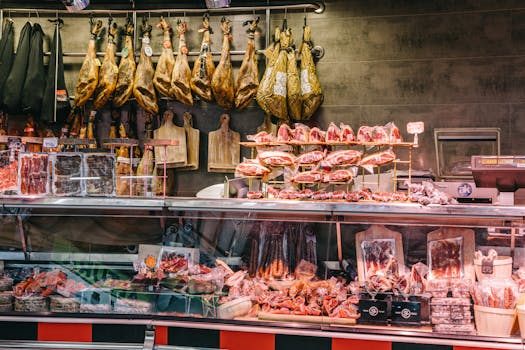
Spanish cuisine is as diverse as its culture. Each region boasts signature dishes that reflect local history and geography. In Andalusia, tapas—small plates of olives, cured ham, and seafood—are a way of life. Seville alone has more than 4,000 tapas bars, and the tradition dates back to at least the 13th century.
The Mediterranean coast is famed for paella, a saffron-infused rice dish originating from Valencia. Inland, hearty stews like Madrid’s cocido and Castile’s roast lamb speak to rural roots.
Spain is also the world’s largest producer of olive oil, generating over 1.4 million metric tons annually, accounting for nearly 45% of global production. Spanish wines, from Rioja reds to sparkling Cava, have received international acclaim, with more than 950,000 hectares of vineyards across the country.
Food-based festivals, such as La Tomatina (the world’s largest tomato fight) in Buñol and the Galician Octopus Festival (Festa do Pulpo), draw thousands of culinary tourists each year.
The Spanish Fiesta: Spirit of Celebration
The Spanish love of celebration is legendary. More than 12,000 festivals are held throughout the country each year, ranging from solemn religious processions to exuberant street parties. These fiestas serve as vital expressions of local identity and solidarity.
Holy Week (Semana Santa), especially in Seville and Malaga, features torchlit processions and centuries-old religious art. The Feria de Abril brings Seville to a standstill with a week of dancing, music, and traditional dress. Even small villages have their own patron saint festivals, where locals and visitors mingle over food, music, and games.
A 2022 survey by Spain’s National Statistics Institute found that 78% of Spaniards participate in at least one major festival annually, highlighting the importance of communal celebration in Spanish life.
Modern Spain: Balancing Heritage and Change
Spain’s cultural traditions are not static—they adapt and evolve. Flamenco has embraced contemporary influences, fusing with jazz and pop, and attracting young artists from around the globe. Bullfighting faces ongoing debate, with some advocating for reform or abolition, while others defend it as a fundamental expression of Spanish culture.
Tourism plays a major role in preserving and shaping these traditions. In 2023, Spain welcomed over 85 million international visitors, making it the world’s second-most-visited country. Cultural tourism is a significant draw, with 41% of visitors citing festivals, traditional music, and local gastronomy as key motivations for their trip.
Efforts to preserve regional languages, crafts, and customs are supported by both government policy and grassroots organizations. Whether in the raucous streets of Pamplona or the intimate tablaos of Seville, Spain’s cultural journey is a living, breathing phenomenon—inviting all to experience its passionate rhythms and timeless rituals.
Reflections on Spain’s Living Traditions
Spain’s journey, from the fiery footwork of flamenco to the raw spectacle of bullfighting, is a testament to the nation’s enduring spirit and cultural diversity. While debates over tradition and modernity continue, what remains constant is Spain’s unparalleled ability to celebrate life—through music, dance, food, and communal festivity. Whether you’re drawn by the allure of ancient rituals or the energy of contemporary festivals, a journey through Spain promises an unforgettable immersion into the soul of a nation where tradition is always in motion.