Turkish food is renowned worldwide for its rich flavors, vibrant colors, and deep-rooted traditions. But to truly appreciate the heart of Turkish cuisine, you need to go beyond the well-known kebabs and baklava. Local cuisine in Turkey is a tapestry of regional specialties, unique ingredients, and time-honored recipes that reflect the country’s diverse geography and history. From the aromatic dishes of the Aegean coast to the robust flavors of Anatolia, every corner of Turkey offers a feast for the senses—and a culinary adventure you’ll love.
Regional Diversity: A Culinary Map of Turkey
Turkey is a bridge between continents, and its food tells the story of centuries of migration, conquest, and exchange. The country is divided into seven geographical regions, each with distinct culinary traditions shaped by climate, local produce, and historical influences.
- In the Aegean and Mediterranean regions, olive oil reigns supreme, and vegetables are at the heart of many meals. - The Black Sea region leans heavily on seafood and corn-based recipes, a reflection of its lush, rainy climate. - Central Anatolia, with its vast plains, is famous for wheat, dairy, and hearty meat dishes. - The Southeast, influenced by Arab and Kurdish cultures, offers spicy, aromatic fare.For example, while Istanbul is famous for its street food and fusion dishes, cities like Gaziantep are UNESCO-listed for their unique local cuisines. In fact, Gaziantep was recognized as a UNESCO Creative City of Gastronomy in 2015, thanks to its 291 registered local dishes.
.png)
Traditional Dishes You Can't Miss
While Turkish cuisine is incredibly diverse, there are several signature dishes that have stood the test of time. Sampling these will give you a true taste of Turkey’s culinary soul.
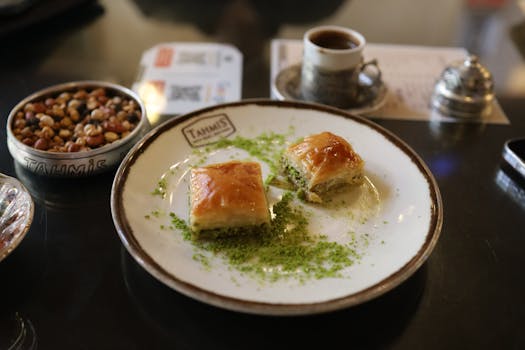
1. $1 — A breakfast classic of scrambled eggs cooked with tomatoes, green peppers, and spices, often served with fresh bread. Menemen is enjoyed all over Turkey, but especially beloved along the Aegean coast. 2. $1 — Tiny dumplings typically filled with minced meat and served with garlicky yogurt and melted butter spiced with paprika. Kayseri, in Central Anatolia, is famous for its version of manti, which are about the size of a chickpea. 3. $1 — A favorite from Bursa, this dish features thinly sliced lamb or beef over pide bread, topped with tomato sauce and a generous helping of melted butter, served with yogurt. 4. $1 — In the Black Sea region, anchovies (hamsi) are a staple. They’re coated in cornmeal and fried to perfection, served with lemon and salad. 5. $1 — Often called “Turkish pizza,” this thin, crispy flatbread is topped with minced meat, onions, tomatoes, and herbs. It’s popular for a quick lunch or snack across Turkey. 6. $1 — No list of Turkish food is complete without baklava. The best comes from Gaziantep, where layers of filo pastry, pistachios, and syrup are combined into a rich, sweet treat.Local Ingredients: The Secret to Turkish Flavor
The secret to Turkish cuisine’s unforgettable taste lies in its fresh, high-quality ingredients. Turkey ranks as the world’s 7th largest agricultural producer, ensuring a wealth of local vegetables, grains, fruits, and spices.
- $1: Turkey is the fourth largest olive producer globally, and olive oil is a staple in the west and south. - $1: These are the primary meats, especially in central and eastern regions. - $1: Sumac, cumin, paprika, mint, and pul biber (Aleppo pepper flakes) add complexity and color to many dishes. - $1: Used for making bread, bulgur, and pastries. - $1: Yogurt is a cornerstone of many Turkish meals and condiments.Seasonal and regional eating is a way of life. For example, the famed cherry harvest in Afyon or the artichoke season in Izmir bring about special dishes at local restaurants and homes.
Street Food Culture: Everyday Eats in Turkey
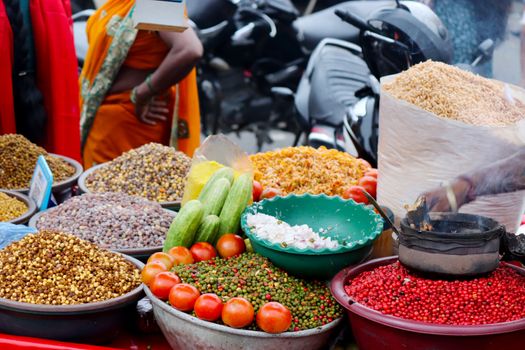
Turkish street food is an institution in itself. It’s affordable, flavorful, and a vital part of daily life. In fact, research shows that 70% of Turks eat street food at least once a week. Here are some favorites you’ll encounter in towns and cities:
- $1: A sesame-encrusted bread ring, similar to a bagel, sold by street vendors everywhere. - $1: Mussels stuffed with herbed rice, lemon, and spices, popular in coastal cities like Izmir and Istanbul. - $1: Seasoned lamb intestines, grilled and chopped on a flatbread, loved for its bold flavor. - $1: Baked potatoes loaded with cheese, sausage, olives, and more, especially popular in Istanbul’s Ortaköy district. - $1: Traditionally raw minced meat mixed with spices and bulgur, but now often made vegetarian due to regulations.For those seeking a quick and authentic taste of Turkey, street food offers a window into local habits and flavors.
Comparing Regional Specialties: East vs. West
Turkey’s east and west offer distinct tastes, shaped by geography, climate, and history. Here’s a comparison of some key differences:
| Feature | Western Turkey (Aegean/Mediterranean) | Eastern Turkey (Southeast/Anatolia) |
|---|---|---|
| Main Cooking Fat | Olive oil | Animal fats (butter, sheep tail fat) |
| Typical Dishes | Meze, seafood, zeytinyağlı (olive oil dishes) | Kebabs, lahmacun, spicy stews |
| Spice Level | Mild, herb-focused | Hotter, with chili and sumac |
| Main Proteins | Fish, chicken, vegetables | Lamb, beef, legumes |
| Signature Desserts | Revani, fruit-based desserts | Baklava, kadayıf |
This contrast makes traveling (and eating) across Turkey an endlessly fascinating experience, as each region brings something unique to the table.
Festive Foods: Celebrating with Turkish Traditions
Food is central to Turkish celebrations, from religious holidays to weddings and family gatherings. During Ramadan, the fast is broken each evening with a special meal called iftar, featuring dates, soups, pide bread, and sweets like güllaç (a milk-soaked pastry with rosewater and pomegranate).
On special occasions, you might encounter:
- $1: Slow-roasted lamb, a centerpiece at weddings. - $1: Vegetables or vine leaves stuffed with rice, meat, or nuts, served at almost every festive table. - $1: Cubes of soft, fragrant candy, often offered to guests. - $1: Also known as Noah’s Pudding, this dessert is made with grains, dried fruits, and nuts, symbolizing sharing and unity.These dishes are not just delicious—they’re steeped in meaning, connecting generations through shared culinary traditions.
Why Turkish Local Cuisine Deserves a Spot on Your Food Bucket List
Exploring local cuisine in Turkey is more than just eating; it’s a journey through the country’s landscape, history, and culture. From UNESCO-celebrated culinary cities to bustling street markets, Turkey offers something for every palate and every occasion.
Did you know that Turkey boasts over 1,400 traditional dishes, according to the Ministry of Culture and Tourism? With such variety, even the most seasoned food lover will find something new and exciting to try. Whether you’re savoring a home-cooked meal in a village or sampling street food in Istanbul, you’ll discover that Turkish hospitality is always served with an extra helping of flavor.