Malaysia Unveiled: A Glimpse into Asian Lifestyle
Nestled at the heart of Southeast Asia, Malaysia offers a breathtaking tapestry of cultures, landscapes, and ways of life. From the bustling streets of Kuala Lumpur to serene rural villages, the country’s dynamic lifestyle is shaped by centuries of migration, trade, and tradition. This article peels back the layers of Malaysia’s Asian lifestyle, uncovering how history, geography, and diversity converge to create a society that is at once modern and deeply rooted in its past. Whether you’re planning a visit, dreaming of living abroad, or simply curious about daily life in Malaysia, this glimpse will reveal what makes this nation truly unique.
The Multicultural Fabric: Living Side by Side
One of the most distinctive aspects of Malaysia’s lifestyle is its multicultural population. According to the Department of Statistics Malaysia, as of 2023, the country’s population stood at approximately 33.4 million, made up primarily of three major ethnic groups: Malays (about 69.9%), Chinese (22.8%), and Indians (6.6%). Indigenous peoples, known collectively as Orang Asli in Peninsular Malaysia and various ethnic groups in Sabah and Sarawak, add further richness to the social landscape.
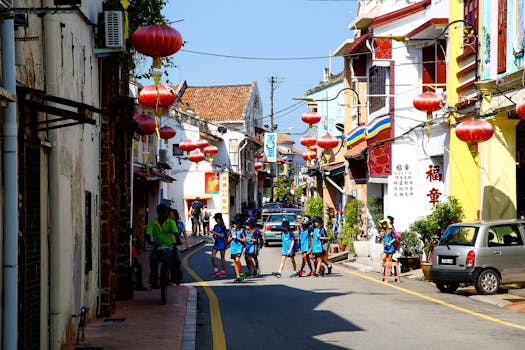
This diversity isn’t just demographic—it’s woven into daily life. In major cities, it’s common to see mosques, Hindu temples, churches, and Buddhist shrines on the same street. Multilingualism is the norm; while Malay (Bahasa Malaysia) is the official language, English, Mandarin, and Tamil are widely spoken. Festivals from Hari Raya Aidilfitri to Chinese New Year and Deepavali are celebrated nationwide, often by people of all backgrounds.
.png)
Intercultural friendships, business partnerships, and even marriages are commonplace. In schools, children from various backgrounds learn side by side, participating in each other's cultural practices and celebrations. This coexistence lends a sense of harmony seldom found elsewhere, making Malaysia a model for multicultural living.
Urban Pulse vs. Rural Rhythm: Contrasting Lifestyles
Malaysia’s lifestyle is dramatically influenced by geography. Almost 78% of Malaysians now live in urban areas, according to World Bank data. Yet, the rhythm of life in Kuala Lumpur, Penang, or Johor Bahru is a world apart from the slow pace found in kampungs (villages) or remote longhouses in Borneo.
Urban Malaysians experience a fast-paced life, characterized by high-rise living, modern shopping malls, international schools, and a vibrant nightlife. Cities are technological hubs; Kuala Lumpur's MRT and LRT systems move over 800,000 passengers daily, reflecting a commitment to public infrastructure and modernization.
By contrast, rural Malaysia is steeped in tradition. Daily life revolves around communal activities, whether it’s tending to paddy fields, fishing, or preparing for local festivals. In East Malaysia, indigenous communities such as the Iban or Kadazan-Dusun maintain ancestral practices, from rice planting rituals to elaborate harvest festivals like Gawai and Kaamatan.
The following table compares key aspects of urban and rural Malaysian lifestyles:
| Aspect | Urban Malaysia | Rural Malaysia |
|---|---|---|
| Population Density | High (e.g., KL: ~8,000/km²) | Low (<100/km² in many villages) |
| Primary Occupations | Services, finance, tech, retail | Agriculture, fishing, small crafts |
| Transportation | Public transit, private vehicles | Motorbikes, bicycles, walking |
| Housing | High-rise apartments, condos | Single-family homes, longhouses |
| Access to Healthcare | Modern hospitals, clinics | Community clinics, traveling medics |
| Leisure Activities | Malls, cinemas, cafes, gyms | Outdoor gatherings, local markets |
Food Culture: More Than Just a Meal
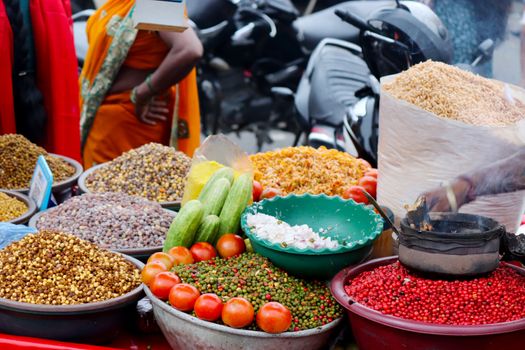
Malaysian cuisine is famous worldwide, but its role in daily life goes beyond the plate. Food is a social glue, bringing together people of all backgrounds. The day often begins with a breakfast of nasi lemak (coconut rice with sambal and accompaniments) at a bustling kopitiam (coffee shop), while late-night mamak stalls serve spicy teh tarik and roti canai to crowds until dawn.
Malaysians eat out frequently. According to a 2022 survey by Statista, 60% of urban Malaysians dine out at least once a week, with 15% doing so daily. Hawker centers and street food vendors offer affordable, delicious meals—a plate of char kuey teow or mee goreng typically costs just RM 6-10 (USD $1.30–$2.20).
Food is also central to celebrations. During Ramadan and Hari Raya, homes open their doors for open houses, offering traditional delicacies to all, regardless of faith. Chinese New Year brings yee sang tossing for prosperity, while Deepavali sees the sharing of sweet treats like murukku and laddu.
Dietary restrictions are respected: halal food is widely available, and vegetarian options are common in Indian and Buddhist communities. This inclusivity ensures everyone can participate in Malaysia’s rich food culture.
Work, Family, and Social Priorities
The Malaysian approach to work and family reflects a blend of Asian values and contemporary realities. Family holds a central place; it’s not unusual for three generations to live under one roof, especially in rural areas or among traditional families. Respect for elders is deeply ingrained, and filial piety is taken seriously—adult children often support aging parents.
The workweek in Malaysia typically runs Monday to Friday, with some states in the north and east observing a Friday-Saturday weekend to accommodate Muslim prayers. The average Malaysian works 48 hours per week, among the highest in Southeast Asia. However, there’s increasing awareness of work-life balance, especially among younger generations who value leisure, travel, and personal time.
Social gatherings, whether weddings, birthdays, or religious ceremonies, are elaborate affairs, sometimes involving hundreds of guests. The concept of gotong-royong (community cooperation) still thrives, especially in villages, where neighbors help each other during festivals or emergencies.
Modern technology has changed social interactions. Malaysians are highly connected—over 96% have internet access, and social media penetration stands at 89% as of 2023 (DataReportal). WhatsApp, Facebook, and TikTok are key platforms for keeping in touch and organizing events.
Nature, Leisure, and Wellness in Malaysian Life
Malaysia’s abundant natural beauty is central to its lifestyle. The country boasts 4,675 kilometers of coastline, lush rainforests covering over 56% of its land area, and hundreds of islands—ranging from the diving haven of Sipadan to the beaches of Langkawi.
Outdoor activities are a favorite pastime. Hiking is popular, with trails like Broga Hill and Mount Kinabalu attracting thousands annually. Water sports, from snorkeling in the Perhentian Islands to kayaking in Borneo’s rivers, are accessible and affordable. In 2019, Malaysia welcomed 13.3 million domestic tourists to its national parks and nature reserves.
Wellness is increasingly important. Traditional practices such as Malay urut (massage) and Chinese herbal medicine coexist with modern gyms and yoga studios. Urban dwellers frequent parks like KLCC Park or Penang’s Botanic Gardens for jogging and tai chi.
Environmental awareness is growing. Government campaigns such as the “No Plastic Bag Day” movement and increasing recycling initiatives reflect a shift towards sustainable living, especially among youth.
Education, Innovation, and the Future of Malaysian Lifestyle
Malaysia’s lifestyle is evolving, spurred by investment in education and technology. The country’s literacy rate stands at a high 95%, and English proficiency is among the best in Asia. International schools, universities, and vocational training centers cater to both locals and expatriates.
Innovation hubs such as Cyberjaya and Penang’s Tech Park are nurturing startups and tech talent. Malaysia aims to be a high-income nation by 2030, with a focus on digital transformation and knowledge-based industries.
The fusion of tradition and modernity is evident in education. Islamic schools exist alongside Chinese independent schools and international academies, offering parents a range of choices. The government’s Vision 2030 plan prioritizes inclusivity, aiming to ensure that rural and indigenous communities are not left behind.
Young Malaysians are global citizens—well-traveled, multilingual, and tech-savvy. They embrace international trends while maintaining a strong sense of national identity, ensuring that Malaysia’s Asian lifestyle remains vibrant and relevant in the years to come.
Embracing the Malaysian Way: What Makes It Unique
Malaysia’s Asian lifestyle is more than the sum of its parts. It is a living mosaic—heritage and innovation, diversity and harmony, nature and urbanity. Whether savoring street food at a night market, hiking in the rainforest, or celebrating a friend’s festival, the Malaysian way of life invites openness, respect, and joy.
This unique blend has made Malaysia not just a destination for travelers, but a home for millions who cherish its balance of tradition and modernity. As the country continues to grow and adapt, its lifestyle stands as a testament to the enduring power of diversity, community, and connection.