Malaysia is a land where diversity is woven into the very fabric of daily life. Behind every street, market, and village lies a tapestry of real-life stories that reveal the unique character of this Southeast Asian nation. From the bustling streets of Kuala Lumpur to the tranquil highlands and remote islands, Malaysians experience a cultural richness shaped by centuries of migration, trade, and harmonious coexistence. In this article, we delve into true stories from Malaysia that highlight its multicultural heritage, local legends, interfaith harmony, and the resilient spirit of its people. Through these narratives, we embark on a journey that goes beyond facts and figures, offering a living, breathing cultural exploration of Malaysia.
The Living Mosaic: Everyday Encounters in Malaysia’s Multicultural Society
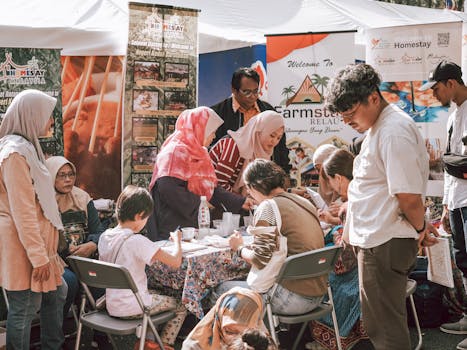
Malaysia is renowned for its multiculturalism, where Malay, Chinese, Indian, and indigenous communities coexist and contribute to a vibrant society. But what does this diversity look like in everyday life? Let’s explore some true stories from Malaysians who navigate this rich mosaic.
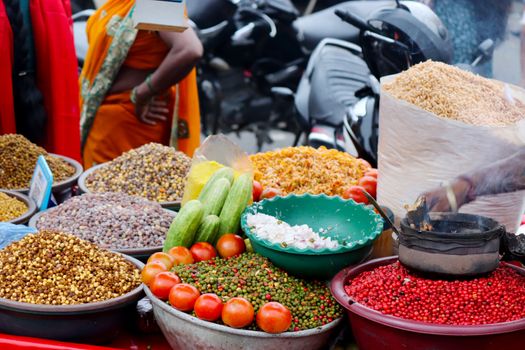
In George Town, Penang, 32-year-old Lim Wei Ching manages a family kopitiam—a traditional coffee shop. Her regular customers include Malay uncles enjoying nasi lemak, Indian friends sipping teh tarik, and tourists discovering Penang’s famous kaya toast. Lim recalls, “During Hari Raya, we close early so our Malay staff can go home to their families. On Deepavali, it’s our turn to help cover shifts. We’ve celebrated weddings and birthdays from every culture in this little shop.”
.png)
Such stories are echoed in urban and rural settings alike. According to Malaysia’s Department of Statistics, as of 2023, the population is 32.7 million, with Malays making up 69.9%, Chinese 22.8%, Indians 6.6%, and indigenous peoples 1.7%. This diversity is not just demographic—it’s lived daily in schools, workplaces, and neighborhoods.
In a small village in Sabah, the Gawai Dayak harvest festival brings together the indigenous Kadazan-Dusun, Malay neighbors, and Chinese friends. Each community contributes traditional dishes, songs, and dances, fostering mutual respect and understanding. These everyday encounters are the foundation of Malaysia’s reputation for tolerance and cultural fusion.
Festivals and Faith: Stories of Interfaith Harmony
Malaysia’s calendar is dotted with a kaleidoscope of religious festivals. While differences in belief exist, countless true stories highlight the ways in which Malaysians bridge divides and celebrate together.
One of the most iconic examples is the annual “Open House” tradition. During major festivities like Hari Raya Aidilfitri, Chinese New Year, Deepavali, and Christmas, families open their homes to friends and strangers of all backgrounds. In Shah Alam, the Rajasingam family has hosted an Open House every Deepavali for over 40 years. “My best friend is Malay, and my neighbors are Chinese. Every year, our living room is filled with laughter, prayer, and food from all our cultures,” says Sangeeta Rajasingam.
Interfaith initiatives have also gained momentum in recent years. In 2019, the “Jalan-jalan Cari Makan Muhibbah” event in Kuala Lumpur brought together over 500 people from different faiths to visit mosques, temples, and churches in one day, promoting understanding and dispelling misconceptions.
Data from the Department of National Unity and Integration shows that 70% of Malaysians have attended an Open House outside their own faith at least once—a testament to the country’s commitment to building bridges across religious lines.
Legends, Folklore, and the Art of Storytelling
Malaysia’s storytelling tradition is as old as its rainforests. Passed down through generations, legends and folklore explain the origins of places, people, and customs. These stories remain alive today, shaping local identity and offering valuable lessons.
Perhaps the most famous is the legend of Puteri Gunung Ledang, the mystical princess of Mount Ophir. According to the story, Sultan Mahmud Shah of Malacca sought her hand in marriage. The princess set seven impossible conditions, including a bridge of gold and silver from Malacca to the mountain and a bowl of the Sultan’s son’s blood. Her conditions were never met, and she remained atop the mountain, symbolizing unattainable beauty and wisdom. This tale is retold in school plays, films, and even at the popular Gunung Ledang National Park, where guides enchant visitors with the legend.
In East Malaysia, the Kadazan-Dusun people tell the story of Huminodun, a maiden who sacrificed herself to save her people from famine. Her spirit is honored during the Kaamatan harvest festival, where rituals and performances reenact her story.
These legends are not mere entertainment—they are cultural touchstones that unite communities, teach values, and instill pride in local heritage.
Rural Realities: Stories from Malaysia’s Heartlands
While cities like Kuala Lumpur and Penang often steal the spotlight, much of Malaysia’s soul is found in its rural kampungs (villages) and remote settlements. True stories from these regions provide insight into the challenges and joys of rural life.
In the Cameron Highlands, tea plantation worker Ahmad Fauzi rises before dawn to tend to the fields. He recalls, “When I was young, my father told me stories of the first tea planters who braved wild animals and harsh weather. Today, my children go to school and play with children of all races. We may not have much, but our sense of community is strong.”
In Sarawak, the Iban people still practice the longhouse tradition, with extended families living under one roof. Each longhouse operates as a self-sufficient unit, sharing harvests, communal feasts, and the oral history of their ancestors. The Iban’s Gawai festival, celebrated every June, is a time for storytelling, renewal, and gratitude.
Rural Malaysia is also at the forefront of eco-tourism, with indigenous communities leading conservation projects. The MESCOT initiative in Sabah, for example, has empowered the local Batu Puteh community to protect rainforest habitats while sharing their way of life with visitors.
Urban Evolution: True Stories of Change and Adaptation
Malaysia’s cities are dynamic hubs where tradition meets modernity. Urban Malaysians face unique challenges—rapid development, cultural shifts, and economic pressures—but their stories reveal adaptability and innovation.
Take the story of Nurul Aini, a 27-year-old architect in Kuala Lumpur. Raised in a traditional Malay household, she now works on green building projects that blend Islamic design with sustainable technology. “I want to honor my heritage while helping Malaysia become a leader in eco-friendly architecture,” she explains.
Urban centers are also melting pots for new forms of cultural expression. The rise of Malaysian hip-hop, for instance, is a testament to creative fusion. Rappers like Joe Flizzow and SonaOne blend Malay, English, and Tamil lyrics, drawing from local slang and global influences. Their music tells stories of city life, identity, and ambition, resonating with young Malaysians across cultural lines.
Let’s take a look at how urban and rural lifestyles in Malaysia compare:
| Aspect | Urban Malaysia | Rural Malaysia |
|---|---|---|
| Population Density | High (Kuala Lumpur: 8,157/sq km) | Low (Kelantan: 112/sq km) |
| Main Occupations | Service, industry, technology | Agriculture, eco-tourism, handicrafts |
| Languages Spoken | Malay, English, Mandarin, Tamil, others | Malay, indigenous languages, local dialects |
| Cultural Activities | Modern arts, concerts, festivals, nightlife | Traditional festivals, communal gatherings, crafts |
| Access to Services | Advanced healthcare, education, transport | Limited healthcare, smaller schools, basic transport |
Resilience and Unity: Stories of Malaysians in Times of Crisis
The spirit of Malaysia is perhaps most evident during challenging times. Natural disasters, economic downturns, and the COVID-19 pandemic have tested the nation’s resilience. Time and again, true stories emerge of Malaysians coming together across boundaries.
During the 2021 floods in Selangor, neighbors formed human chains to rescue stranded families. In Johor, Sikh, Muslim, and Christian volunteers cooked and distributed thousands of meals to flood victims regardless of religion or ethnicity. The “Kita Jaga Kita” (We Take Care of Each Other) movement, started in 2020, saw ordinary Malaysians organizing food banks, crowdfunding for medical supplies, and supporting frontliners.
These stories are backed by numbers: during the first year of the pandemic, more than 2,500 community initiatives were registered with the Malaysian Social Welfare Department. Surveys by the Merdeka Center show that 82% of Malaysians believe unity is their greatest strength in overcoming adversity.
Final Reflections: What True Stories Reveal About Malaysian Culture
The true stories of Malaysia are more than anecdotes—they are windows into a society that thrives on diversity, resilience, and shared values. From the warmth of Open Houses to the wisdom of ancient legends, from the unity of crisis response to the daily interactions in city streets and rural kampungs, these narratives reflect a nation constantly evolving yet deeply rooted in tradition.
Exploring these stories allows us to appreciate the subtle, everyday heroism that defines Malaysian culture. It is a country where differences are celebrated, where history is honored, and where the future is shaped by the collective spirit of its people. As Malaysia continues its journey, its stories—real, diverse, and ever-unfolding—remain its greatest treasure.