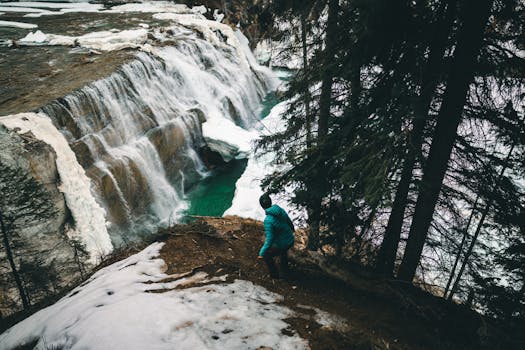
Canada’s national parks offer some of the world’s most breathtaking wilderness experiences, spanning from the rugged peaks of the Rockies to the remote tundra of the Arctic. Spanning over 328,000 square kilometers, these protected areas are not just scenic wonders—they’re vital sanctuaries for wildlife, playgrounds for adventure seekers, and living classrooms for environmental stewardship. Whether you’re a seasoned hiker, wildlife enthusiast, or casual explorer, a journey through Canadian national parks promises discovery, tranquility, and awe at every turn. Let’s embark on a journey across this vast and diverse wilderness, exploring what makes these parks extraordinary and essential.
The Vast Diversity of Canadian National Parks
Canada is home to 37 national parks and 10 national park reserves, each offering a unique landscape shaped by geological forces and cultural history. From the towering icefields of Jasper to the windswept grasslands of Grasslands National Park, the diversity is staggering.
For example, Banff National Park, established in 1885, is Canada’s oldest national park and welcomes over 4 million visitors annually. In contrast, Quttinirpaaq National Park, located in Nunavut, is so remote that it receives fewer than 50 visitors each year. This contrast highlights the remarkable variety of experiences available—from bustling tourist hotspots to true wilderness escapes.
.png)
The parks also protect ecosystems ranging from temperate rainforests in Pacific Rim National Park Reserve to the arctic tundra of Auyuittuq National Park. This ecological diversity supports more than 70 species of mammals and 270 species of birds, making Canada’s parks a haven for wildlife enthusiasts and researchers alike.
Wildlife Encounters: Iconic Species and Conservation Successes
One of the most compelling reasons to explore Canadian national parks is the opportunity to witness wildlife in their natural habitats. Canada’s parks provide sanctuary to some of the continent’s most iconic species, including grizzly bears, wolves, elk, moose, and even the elusive lynx.
For example, Wood Buffalo National Park, the largest national park in Canada—and indeed, the second largest in the world—spans 44,807 square kilometers and is home to the world’s largest free-roaming herd of wood bison. Similarly, Pacific Rim National Park Reserve is known for its gray whale migrations, drawing thousands of visitors each spring.
Conservation efforts within the parks have yielded notable successes. The reintroduction of plains bison to Banff National Park in 2017 marked the return of this species after over a century of absence, with the herd now thriving and contributing to ecosystem restoration. Additionally, the protection of critical habitats in national parks has led to the recovery of species such as the whooping crane, whose global population was once below 20 individuals but now exceeds 800, thanks in part to protected nesting grounds in Wood Buffalo National Park.
Adventure Awaits: Top Activities in Canadian National Parks
Whether you’re seeking adrenaline-pumping adventure or serene relaxation, Canadian national parks offer something for everyone. Each park features its own set of activities, often shaped by the region’s geography and climate.
Hiking is arguably the most popular activity, with trails ranging from the family-friendly Lake Louise Lakeshore Trail to the challenging West Coast Trail in Pacific Rim National Park Reserve. Canoeing and kayaking are integral to parks like Algonquin, where over 2,000 kilometers of canoe routes wind through lakes and forests.
Winter transforms parks like Jasper and Banff into wonderlands for skiing, snowshoeing, and ice climbing. Meanwhile, the night skies over Jasper National Park, designated a Dark Sky Preserve, attract stargazers from around the globe.
For those interested in cultural history, parks such as Gwaii Haanas National Park Reserve offer immersive experiences with Indigenous guides, sharing stories and traditions that have shaped the land for millennia.
Here’s a comparison of popular activities across selected Canadian national parks:
| Park Name | Signature Activity | Season | Average Annual Visitors |
|---|---|---|---|
| Banff National Park | Hiking, Wildlife Viewing | Year-round | 4 million |
| Jasper National Park | Stargazing, Ice Climbing | Winter, Fall | 2.4 million |
| Pacific Rim Nat'l Park Reserve | Surfing, Whale Watching | Spring, Summer | 1 million |
| Gros Morne National Park | Boat Tours, Geology Exploration | Summer | 230,000 |
| Wood Buffalo National Park | Bison Viewing, Canoeing | Summer | 3,600 |
Preserving Nature: Challenges and Sustainable Tourism
While Canada’s national parks are celebrated for their beauty, they also face significant conservation challenges. Climate change, invasive species, and increased visitation all threaten the delicate balance of these ecosystems.
For instance, Banff and Jasper have experienced a surge in visitors—Banff saw a record 4.1 million visits in 2022—which can strain resources, impact wildlife, and erode trails. The Canadian government, through Parks Canada, has implemented a variety of measures to address this, such as shuttle systems to reduce traffic, restrictions on certain activities to protect sensitive habitats, and visitor education programs emphasizing “leave no trace” principles.
Climate change poses another major threat, with rising temperatures altering habitats. In Glacier National Park, for example, glacial retreat is a visible consequence, with some glaciers shrinking by over 70% since the late 19th century.
Sustainable tourism initiatives are central to the future of Canada’s parks. Many parks now offer eco-friendly accommodations, promote off-season visits to reduce congestion, and partner with Indigenous communities to ensure tourism respects cultural heritage and environmental integrity. Visitors can contribute by following established trails, minimizing waste, and respecting wildlife boundaries.
Indigenous Connections: Honoring Canada’s Original Stewards
Long before these lands became national parks, they were—and remain—home to diverse Indigenous peoples. Today, many parks are managed in partnership with Indigenous communities, recognizing their traditional knowledge and stewardship.
Gwaii Haanas National Park Reserve, for example, is co-managed by Parks Canada and the Haida Nation, blending Western conservation science with Haida ecological practices. In Nahanni National Park Reserve, the Dehcho First Nations play a key role in protecting the land and shaping visitor experiences.
These partnerships ensure that the spiritual, cultural, and historical significance of the land is respected. Interpretive programs often include Indigenous stories, art, and traditional ecological knowledge, offering visitors a deeper appreciation of the landscape.
In 2022, Parks Canada announced the establishment of Thaidene Nëné National Park Reserve, protecting over 26,000 square kilometers of boreal forest in collaboration with the Łutsël K’é Dene First Nation. This model of cooperative management is increasingly recognized as essential for both ecological health and cultural preservation.
Planning Your Journey: Tips for Exploring Canadian National Parks
With such vast terrain and variable climates, preparation is key to a memorable and safe adventure in Canada’s national parks. Here are essential tips for planning your journey:
1. Choose the Right Park for Your Interests: From the rugged peaks of Yoho to the wild rivers of Nahanni, each park offers unique experiences. Research seasonal highlights, accessibility, and available activities. 2. Book in Advance: Popular parks like Banff and Jasper often see campsites and accommodations booked months ahead, especially during peak summer months. 3. Pack for All Weather: Canadian weather can be unpredictable, with temperature swings and sudden storms. Layered clothing, rain gear, and sturdy footwear are must-haves. 4. Respect Wildlife and Regulations: Maintain safe distances from animals, never feed wildlife, and adhere to posted guidelines to protect both yourself and the ecosystem. 5. Support Local and Indigenous Tourism: Many parks offer tours and experiences led by local or Indigenous guides—these not only enrich your understanding but support community livelihoods.Final Reflections: The Enduring Allure of Canadian National Parks
Exploring the wilderness of Canadian national parks is more than just a journey through stunning landscapes—it’s an immersion in a living legacy of conservation, adventure, and cultural heritage. With over 328,000 square kilometers protected, these parks are vital refuges for wildlife and windows into Canada’s remarkable natural and human history.
From the thunderous waterfalls of Nahanni to the ancient forests of Pacific Rim, every park tells a unique story. As visitation continues to grow—over 16 million people visited national parks in 2022—the importance of sustainable practices and Indigenous partnerships is clearer than ever.
Whether you’re planning a once-in-a-lifetime trek or a relaxing weekend by a mountain lake, Canada’s national parks invite you to connect with the wild, embrace adventure, and leave a legacy of respect for generations to come.