Malaysia stands at the vibrant crossroads of Asia—a country where ancient customs blend seamlessly with modern living. For those curious about how daily life unfolds in this dynamic nation, exploring Malaysian lifestyles offers a window into the diversity, resilience, and unique harmony that define its people. From the rhythms of city life to the rituals of rural communities, understanding how Malaysians live, work, and play reveals not only their traditions but also their adaptability in a fast-changing world.
Let’s take a deeper look at what shapes Malaysian lifestyles today, diving into how urbanization, multiculturalism, work-life balance, housing, and leisure pursuits create a tapestry that’s uniquely Malaysian.
Urban Pulse: City Living and Daily Routines
Malaysia’s urbanization has accelerated rapidly over the past decades. As of 2023, more than 77% of Malaysians reside in urban areas, with Kuala Lumpur, George Town (Penang), and Johor Bahru leading as economic and cultural hubs. Daily life in these cities is a dynamic blend of tradition and modernity.
.png)
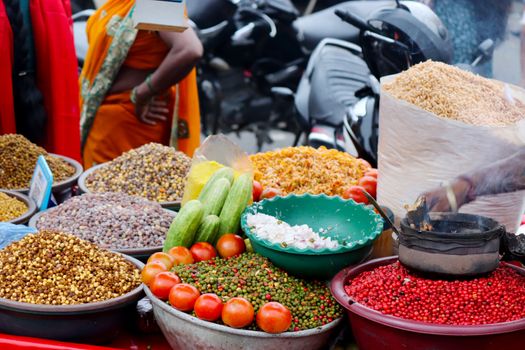
Public transportation networks—such as the Light Rail Transit (LRT) and Mass Rapid Transit (MRT) in Kuala Lumpur—have changed commuting patterns for millions. According to the Department of Statistics Malaysia, over 1.2 million people used the Klang Valley’s rail systems daily in 2022. The city’s rhythm begins early, with bustling breakfast stalls serving nasi lemak and teh tarik to office workers and school children alike.
In high-rise apartments, modern amenities like gyms and swimming pools are the norm, reflecting a shift towards convenience and wellness. However, vestiges of community remain strong; many city dwellers still practice the “open house” tradition, especially during festivals, inviting friends and neighbors to share food and celebration irrespective of ethnicity or religion.
Rural Rhythms: Life Beyond the City
While Malaysia’s cities are on a fast track to the future, rural areas offer a contrasting pace. About 23% of the population lives outside urban centers, according to the 2023 census. In states like Kelantan, Perlis, and Sarawak, daily life revolves around agricultural cycles, fishing, or traditional cottage industries.
Multi-generational households are common, with grandparents, parents, and children living under one roof. The kampung (village) lifestyle emphasizes strong community ties, where neighbors frequently help each other during harvests, weddings, or religious celebrations. School children often walk or cycle to small local schools, and evening gatherings at the warung (local café) are a staple of social life.
Despite modernization efforts, rural Malaysians retain many time-honored customs, such as weekly night markets (pasar malam), traditional games like congkak, and seasonal festivals like Gawai in Sarawak and Kaamatan in Sabah. The Malaysian government’s Rural Transformation Programme (RTP) has brought infrastructure improvements, but the essence of rural life—its slower pace and focus on community—remains largely unchanged.
Multicultural Harmony: Blending Traditions and Modernity
Malaysia is one of the world’s most multicultural nations. The population comprises approximately 69% Bumiputera (Malays and indigenous groups), 23% Chinese, and 7% Indian, with smaller communities from Eurasian and Thai backgrounds. This diversity is not just demographic—it’s deeply woven into daily life, festivals, food, and even language.
It’s common for Malaysians to speak at least two languages fluently, with Malay (Bahasa Malaysia) as the national language, and English, Mandarin, or Tamil spoken widely. On any given street, you might hear a conversation shift smoothly between languages.
Festivals are a vivid reflection of this multiculturalism. Hari Raya Aidilfitri, Chinese New Year, Deepavali, and Christmas are all national holidays, celebrated by all Malaysians regardless of faith. Cross-cultural friendships are common, and “muhibbah” (harmony) is a cherished value, seen in joint open houses and shared meals.
Work-Life Balance and Family Dynamics
Malaysia’s approach to work-life balance is evolving. In urban centers, a standard workweek is Monday to Friday, with many professionals working from 9 am to 6 pm. However, the COVID-19 pandemic accelerated the adoption of flexible work arrangements. A 2022 LinkedIn survey found that 44% of Malaysian professionals preferred remote or hybrid work models—a significant shift from pre-pandemic norms.
Family remains central to Malaysian life. The concept of filial piety cuts across all cultural groups, with children often caring for aging parents. While dual-income households are increasingly common, especially in cities, traditional gender roles persist in some areas. Childcare is often provided by grandparents or extended family, and communal meals remain a cornerstone of family life.
Workplaces are also adapting. The government’s Malaysia@Work program encourages youth employment and supports women returning to the workforce. Maternity leave stands at 98 days, and many companies offer flexible hours or telecommuting options. Leisure time is highly valued; weekends are often spent at shopping malls, parks, or enjoying local cuisine at hawker centers.
Housing, Home Life, and Lifestyle Choices
Where and how Malaysians live reflects both tradition and modern trends. In cities, high-rise condominiums and gated communities are increasingly popular, offering security and amenities. According to the National Property Information Centre, high-rise residential transactions accounted for nearly 55% of total property sales in Kuala Lumpur in 2022.
In contrast, rural areas and smaller towns are dominated by landed houses, such as terrace homes, bungalows, and traditional wooden kampung houses. Extended families living together is common, fostering close-knit relationships and shared responsibilities.
Malaysians have a strong home improvement culture. Homeownership is a priority, with 76% of households owning their homes, the highest rate in Southeast Asia. Weekend markets teem with shoppers buying plants, furniture, and décor to personalize their spaces. The trend of urban gardening—growing herbs, chilies, and pandan leaves on balconies—has surged, especially since the pandemic.
Leisure, Wellness, and Community Engagement
Leisure in Malaysia is as diverse as its people. Malaysians are avid mall-goers; there are more than 560 shopping malls nationwide, and Pavilion Kuala Lumpur alone attracts over 30 million visitors annually. Weekend activities often include movies, dining out, or visiting cultural sites.
Sports and wellness are important too. Badminton is the unofficial national sport, with legends like Lee Chong Wei inspiring generations. Hiking, cycling, and jogging have become popular, especially in urban parks like KLCC Park or Penang’s Youth Park.
Volunteering and community service are on the rise. Organizations like Mercy Malaysia and Kechara Soup Kitchen attract youth and professionals eager to give back. Environmental awareness is growing, with recycling initiatives and community clean-ups gaining traction.
Comparing Malaysian Lifestyles: Urban vs. Rural
To better understand the contrasts and similarities, here’s a comparison of key lifestyle aspects in urban and rural Malaysia:
| Aspect | Urban Malaysia | Rural Malaysia |
|---|---|---|
| Population Density | High (Kuala Lumpur: 7,188/sq km) | Low (Kelantan: 117/sq km) |
| Housing Type | High-rise condos, apartments, gated communities | Landed houses, kampung houses, bungalows |
| Primary Occupation | Services, finance, technology, retail | Agriculture, fishing, cottage industries |
| Transport | Public transport, private cars, e-hailing | Motorbikes, bicycles, limited public buses |
| Community Life | Modern, diverse, frequent events in condos | Strong communal ties, village-wide celebrations |
| Leisure Activities | Malls, cinemas, gyms, urban parks | Night markets, fishing, traditional games |
Final Reflections on Malaysian Lifestyles
Exploring Malaysian lifestyles reveals a society in motion—one that cherishes its roots yet embraces change. Whether in the fast-paced cities or tranquil villages, Malaysians navigate a world where multicultural traditions coexist with modern aspirations.
The country’s unique blend of ethnicities, languages, and beliefs fosters an environment of tolerance and mutual respect. Family ties remain strong, even as new patterns of work and leisure emerge. From communal open houses to solo urban adventures, the Malaysian way of life is a testament to adaptability, harmony, and the enduring spirit of community.
As Malaysia continues to evolve, its people hold on to what matters most: a sense of belonging, a love for food and celebration, and an openness to the world. For anyone seeking to understand Asian lifestyles, Malaysia offers a living, breathing example of unity in diversity.