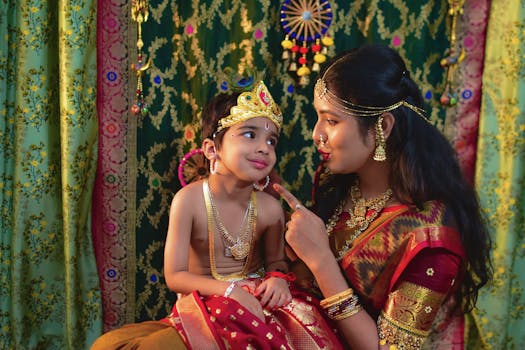
The lush, vibrant land of Malaysia is more than just a geographic crossroads of Southeast Asia—it is a living mosaic of fused traditions, beliefs, and lifestyles. For travelers and culture enthusiasts, exploring Malaysia isn’t just about ticking off famous sights. It is a personal journey into a world where centuries-old customs thrive alongside futuristic skyscrapers, and where everyday life is colored by an extraordinary mix of Malay, Chinese, Indian, and indigenous influences. Through this article, I invite you to join me on a journey into the heart of Malaysia’s rich culture, offering insights that go far beyond what guidebooks reveal.
Tracing the Roots: Malaysia’s Multi-Ethnic Heritage
Malaysia’s population of 33.6 million (as of 2023, according to the Department of Statistics Malaysia) is a tapestry woven from diverse ethnic groups. The three largest communities—Malays (about 63%), Chinese (24%), and Indians (7%)—each contribute unique customs, languages, and religious traditions. Additionally, the indigenous peoples of Sabah and Sarawak, known collectively as “Orang Asal,” represent over 50 distinct ethnic groups, such as the Iban, Bidayuh, and Kadazan-Dusun.
This blend is not just a demographic statistic; it is visible in daily life. Walking through Kuala Lumpur’s neighborhoods, one might wake to the call to prayer from a mosque, stroll past incense wafting from a Taoist temple, and later hear bells ringing from a Hindu shrine. The country’s official religion is Islam, but Buddhism, Christianity, Hinduism, Sikhism, and animist beliefs are all practiced openly. This coexistence is enshrined in the Rukun Negara, Malaysia’s national philosophy, which emphasizes unity in diversity.
.png)
Festivals: The Heartbeat of Malaysian Culture
If you want to experience Malaysia’s cultural richness firsthand, plan your visit during one of its many vibrant festivals. Each community celebrates its own major holidays, and it’s common for friends and neighbors of all backgrounds to join in.
For example, Hari Raya Aidilfitri (Eid al-Fitr) marks the end of Ramadan with prayers, open houses, and feasting on dishes like rendang and ketupat. Chinese New Year transforms cities with red lanterns, dragon dances, and the popping of firecrackers, while Deepavali (the Hindu festival of lights) fills homes with the glow of oil lamps and the aroma of sweet treats.
Unique to Malaysia is the Gawai Dayak in Sarawak, a harvest festival celebrated by the Iban and Bidayuh people with traditional music, ngajat dances, and tuak (rice wine). In Penang and Kuala Lumpur, Thaipusam is a dazzling spectacle, as devotees carry kavadis—ornate frameworks attached to their bodies—on a pilgrimage to Batu Caves.
Here’s a quick overview of major festivals in Malaysia:
| Festival | Community | Typical Month | Main Activities |
|---|---|---|---|
| Hari Raya Aidilfitri | Malay/Muslim | April/May | Prayers, family gatherings, traditional food |
| Chinese New Year | Chinese | January/February | Reunion dinners, lion dances, fireworks |
| Deepavali | Indian/Hindu | October/November | Lighting lamps, temple visits, sweets |
| Gawai Dayak | Indigenous (Iban, Bidayuh) | June | Traditional dances, rice wine, ceremonies |
| Thaipusam | Tamil/Hindu | January/February | Pilgrimages, body piercings, music |
Culinary Diversity: A Taste of Malaysia’s Soul
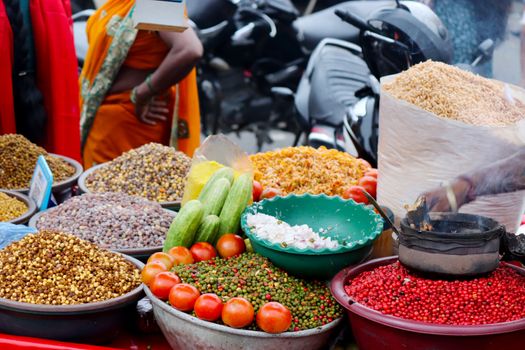
To understand Malaysia, you must taste it. Malaysian cuisine is a delicious testament to the country’s multicultural makeup, with dishes that reflect a harmonious blend of flavors and cooking methods from its Malay, Chinese, Indian, and indigenous communities.
Nasi lemak, often considered the national dish, is a simple yet flavor-packed meal of coconut rice, spicy sambal, crispy anchovies, peanuts, and boiled egg, sometimes accompanied by fried chicken or rendang. It is eaten by Malaysians of all backgrounds, from schoolchildren to busy executives.
Chinese-Malaysian cuisine is equally diverse, ranging from Penang’s famous char kuey teow (wok-fried rice noodles) to dim sum breakfasts and Hainanese chicken rice. Meanwhile, Indian influences shine in dishes like roti canai (flaky flatbread served with curry) and teh tarik, the “pulled” milk tea that’s an institution in Malaysian mamak stalls.
Sabah and Sarawak offer even more unique fare, including umai (raw fish salad) and manok pansoh (chicken cooked in bamboo). The sheer variety is staggering: in 2022, Malaysia was ranked 34th in the world for culinary diversity in the TasteAtlas global food index, highlighting over 150 distinct traditional dishes.
Traditional Arts and Crafts: Living Heritage
Malaysia’s cultural wealth extends beyond festivals and food into a remarkable array of traditional arts and crafts. Batik, an intricate fabric dyeing technique, is perhaps the most iconic. Malaysian batik is distinguished by its floral and geometric patterns and is widely worn during formal occasions. The city of Kota Bharu in Kelantan is a major center for batik production, with workshops offering hands-on experiences for visitors.
Another celebrated art form is the making of wau, or decorative kites, particularly in the east coast states. The Wau Bulan, with its crescent-moon shape, is so beloved it is featured on the Malaysian 50 sen coin. Meanwhile, Orang Asal communities are renowned for weaving baskets, mats, and beadwork using natural fibers and traditional motifs.
Performing arts also thrive. The shadow puppet theater known as wayang kulit tells epic tales from the Ramayana using puppets fashioned from buffalo hide, while the joget and zapin are lively traditional dances performed at weddings and festivals. In 2023, Malaysia’s UNESCO Intangible Cultural Heritage list includes Mak Yong, a traditional Malay dance-drama from Kelantan, and the Silat martial art, which combines self-defense with elements of dance and ritual.
Language and Communication: More Than Words
One of the most fascinating aspects of Malaysian culture is its linguistic landscape. While Bahasa Malaysia (Malay) is the official language, English is widely spoken, especially in urban areas and among the younger generation. Mandarin, Cantonese, Tamil, Iban, Kadazan, and dozens more languages and dialects can be heard across the country.
This multilingualism shapes Malaysian humor and social interaction. “Manglish”—a blend of Malay, English, Chinese, and Tamil—is commonly spoken in informal settings. For example, you might hear someone say, “Can lah!” or “So expensive, meh?”—phrases that are uniquely Malaysian in flavor.
Communication is not just about words but also about respect. Malaysians place a high value on politeness and deference, especially toward elders. It is customary to greet with a slight bow and handshake, or the traditional “salam” gesture, where one touches the other’s hand to the chest. Shoes are always removed before entering homes and many religious sites.
Modern Malaysia: Tradition Meets Innovation
While deeply rooted in tradition, Malaysia is equally forward-looking. Kuala Lumpur’s skyline, with its gleaming Petronas Twin Towers (once the tallest buildings in the world at 452 meters), symbolizes the nation’s rapid economic growth. Malaysia is currently classified as an upper-middle-income country by the World Bank, with a GDP per capita of approximately USD 12,000 in 2023.
Urban life pulses with energy, from the bustling hawker centers of George Town to the creative tech startups in Cyberjaya. Yet, traditional kampung (village) life endures, especially in rural areas and on the islands. Malaysia’s government actively promotes cultural preservation through initiatives like the National Heritage Act and the “Visit Malaysia” tourism campaigns, which attracted over 10 million international visitors in 2023.
The country’s education system, media, and popular culture continue to foster a sense of national identity while celebrating diversity. Malaysian cinema, music, and literature increasingly reflect the voices of its many communities, with films like “The Journey” and “Ola Bola” resonating deeply with local audiences.
Reflections on Malaysia’s Cultural Journey
Exploring Malaysia’s rich culture is a journey that delights, surprises, and sometimes challenges your assumptions. It is a country where ancient rituals and cutting-edge technology coexist, where diversity is not just tolerated but woven into the very fabric of national life.
For me, the personal encounters—sharing a meal in a family home during Hari Raya, learning to tie a sarong at a batik workshop, or joining a Gawai celebration in a Sarawak longhouse—were the moments that brought Malaysia’s culture to life. These experiences fostered a deeper appreciation for the values of respect, hospitality, and harmony that underpin Malaysian society.
Whether you are a traveler, student, or culture-lover, Malaysia offers a rich and rewarding journey into the heart of Southeast Asia’s most diverse nation.